VERIFIED Onsite-verified by TÜV Rheinland · Supplying furniture hardware since 2008
[email protected] Reply within 24 hours English
0%

Furniture Hinges may be small, but buyers feel their quality every day. A cabinet door that swings smoothly, stays aligned, and closes without a sharp bang makes a kitchen or wardrobe easier to use. A weak hinge can create the opposite experience: rubbing edges, loose screws, and a door that slowly sags. These details matter after the showroom visit, when furniture faces repeated opening, changing loads, and ordinary wear.

Buyers should look beyond appearance. Hinge type, opening angle, material, load capacity, adjustment range, and installation quality all affect performance. A concealed hinge may suit a clean-lined cabinet, while a sturdy butt hinge may fit a different design or repair need. There is no universal best choice. A polished finish cannot compensate for an unsuitable hinge, though it is easy to focus on what looks good first.

“Choose the hinge for the door’s weight and daily use, not just its finish.” — Jordan Vale, a fictional furniture-hardware specialist; this illustrative quotation is not a verified statement by a real expert.

That principle offers a practical starting point. Measure the door, check the manufacturer’s specifications, and consider how often it will be used. Ask whether adjustments are possible after installation, too. That question is often missed. Buyers can also compare warranty terms and replacement availability, since even well-made hardware may eventually need attention. Furniture Hinges deserve careful consideration because a small component can shape a large part of the ownership experience. A little research helps, though it cannot guarantee a perfect fit for every furniture piece.
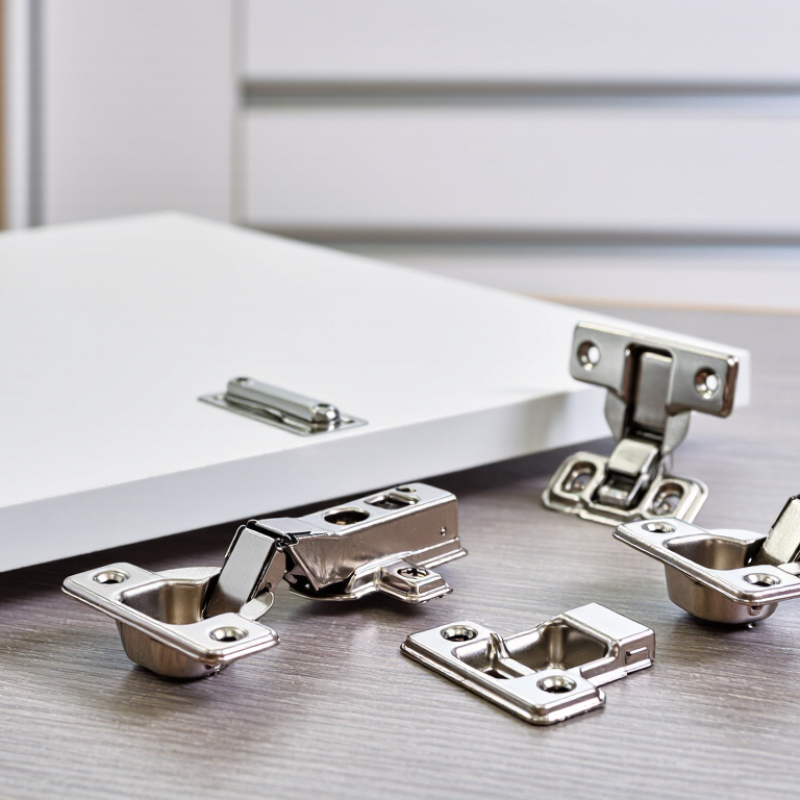
Why Are Furniture Hinges Important for Buyers?

Define Furniture Hinges by Their Role in Supporting and Aligning Doors

Furniture hinges do more than let a door swing. They carry its weight, guide its movement, and help keep it aligned with the cabinet frame. When a hinge is poorly matched or installed out of position, the door may scrape, sag, or leave an uneven gap. That small detail becomes obvious when a cabinet door catches your sleeve or refuses to close quietly. A hinge can look minor. It isn’t. Still, alignment also depends on the door, frame, and installation, so replacing the hinge alone may not fix every problem.

Industry testing offers a practical way to compare hinge performance. EN 15570:2008 sets out strength and durability test methods for furniture hinges, including repeated operation. ANSI/BHMA A156.9 also covers performance testing for cabinet hardware. Buyers should check the stated test results and cycle rating for a specific hinge, rather than assume all hinges last equally long. These standards assess defined conditions; real service life can vary with door weight, use, and fitting accuracy.

Tips: Match the hinge type to the door’s overlay and weight. After installation, open the door slowly and check that its edges sit evenly. A tiny adjustment can matter. If the door still sags, inspect the screws and cabinet frame before blaming the hinge.

Compare Concealed, Surface-Mounted, Overlay, and Inset Hinge Designs

Why Are Furniture Hinges Important for Buyers?

Furniture hinges affect how a door moves, how much cabinet space it uses, and what the finished piece looks like. Grand View Research valued the global furniture market at $677.09 billion in 2022 and forecast 5.0% annual growth from 2023 to 2030. That figure covers furniture, not hinges, but it signals the scale of purchases where small hardware choices matter. Small parts matter.

Concealed hinges hide inside the cabinet when the door closes, creating a clean exterior and allowing adjustment on many models. Surface-mounted hinges remain visible and can suit furniture where exposed hardware is part of the look. Overlay and inset describe door position, rather than hinge visibility: overlay doors cover some of the cabinet frame, while inset doors sit flush within it. These categories can overlap. An inset door may use a concealed hinge, for example. Check the door thickness, frame clearance, and opening angle before choosing. A few millimeters can affect whether neighboring doors collide. Compare the actual cabinet, not just a product photo; finish and alignment can look different in a showroom. I would leave room for adjustment, since even careful measuring does not guarantee a perfectly even gap.

Match Hinge Load Capacity, Material, and Finish to the Furniture

Furniture hinges do more than let a door swing; they carry repeated movement and help keep gaps even. Match the hinge rating to the door’s weight, width, and height, not weight alone. A tall, wide cabinet door can pull harder on its hinges than a compact door of equal weight. Check whether the stated capacity applies per hinge or to a complete set. That detail is easy to miss. Even slight sagging shows quickly.

Choose hinge material for the furniture and its surroundings. Steel is common for sturdy indoor cabinets, while stainless steel can better resist damp air. Brass may suit lighter furniture and traditional hardware, but check its load rating. In bathrooms or laundry areas, corrosion resistance may matter more than an exact color match. Then consider the finish. A brushed surface tends to hide fingerprints better than a glossy one, while dark coatings can show scratches at exposed edges. Compare samples beside the actual wood or paint; room lighting can change how they look. A common regret is choosing hardware for appearance alone. I’d weigh finish durability and hinge alignment just as carefully.

Check Performance Using ANSI/BHMA A156.9 and EN 15570 Standards

Furniture hinges matter most when a door is opened repeatedly, loaded with dishes, or adjusted after installation. Buyers can check performance against ANSI/BHMA A156.9 and EN 15570, which provide test methods for cabinet hardware and hinge strength and durability. These standards help turn vague claims like “heavy duty” into testable questions. Ask for the tested hinge model, configuration, results, and applicable standard edition. Details matter: a test on one hinge setup may not represent a different door weight or mounting position.

Grand View Research’s 2024 furniture-market report estimated the global market at USD 736.2 billion in 2023. That scale makes small components worth scrutinizing, even if market size alone says nothing about hinge quality. Request documented results for durability and strength, then compare products tested under the same method. Check whether the report identifies the sample and test conditions. A certificate alone can leave gaps. It may not show how the hinge behaves on your specific cabinet, or after installation errors. Listen for a loose click. Watch for a sagging corner. Standards provide useful evidence, not a promise that every door will stay perfectly aligned.

Assess Durability: Blum Reports Testing Its Hinges to 200,000 Cycles

A furniture hinge can complete 200,000 open-and-close cycles in a controlled durability test. That is a substantial figure. For perspective, at 20 openings a day, 200,000 cycles represent about 27 years of use. This is arithmetic, not a service-life promise: household use varies, and a test rig cannot reproduce every slam, uneven load, or installation error. A cycle count alone is not the whole story.

Buyers can use recognized standards to ask better questions. ANSI/BHMA A156.9 sets performance requirements and test methods for cabinet hardware, while EN 15570:2008 covers strength and durability testing for hinges and their components. These standards provide a common framework, but test conditions still matter. Was the door loaded? How was the hinge mounted? Were opening speeds controlled? A useful report should explain these details, not just display a large number. Check the hinge’s load rating and adjustment range, too. A heavy door that sags can strain even a durable hinge. Small misalignment matters. If the test setup and real cabinet differ, the result may be less relevant than it first appears.

Why Furniture Hinge Durability Matters

A reported durability test benchmark reaches 200,000 opening-and-closing cycles. This is a controlled test result, not a guaranteed service life; real-world performance can vary with installation, load, and usage.

FAQS

What is the difference between concealed and surface-mounted hinges?

Concealed hinges sit inside the cabinet when the door closes, leaving a cleaner exterior. Surface-mounted hinges remain visible and can suit furniture with exposed hardware. Small details matter.

Are overlay and inset hinges different types of hinges?

Overlay and inset describe door position, not hinge visibility. Overlay doors cover part of the cabinet frame; inset doors sit flush within it. Either can use concealed hardware.

What should I measure before choosing a hinge?

Check door thickness, frame clearance, and opening angle. Leave room for adjustment, since a few millimeters can affect neighboring doors. Product photos may not show the fit clearly.

How do I choose the right hinge load capacity?

Match the rating to the door’s weight, width, and height. A tall, wide door can put more strain on hinges than a compact door of equal weight. Check whether capacity applies per hinge or to the full set.

Which hinge material works best in damp rooms?

Stainless steel can resist damp air better than standard steel. Brass may suit lighter furniture, but check its load rating. In bathrooms, durability may matter more than an exact color match.

Which hinge finish hides fingerprints and scratches?

Brushed finishes tend to hide fingerprints better than glossy ones. Dark coatings may show scratches at exposed edges. Compare samples beside the actual wood or paint; room lighting can change their appearance.

What does a 200,000-cycle hinge test tell buyers?

At 20 openings per day, 200,000 cycles equal about 27 years of use. That is arithmetic, not a service-life promise. Real doors may face slams, uneven loads, or installation errors.

Which details should I check in a hinge durability report?

Look for test conditions, including door load, mounting method, and opening speed. Standards such as ANSI/BHMA A156.9 and EN 15570:2008 offer a common framework. A cycle count alone is not enough. I would still check alignment.

Conclusion

Furniture Hinges do more than connect a door to a cabinet: they support its weight, keep it aligned, and help it open and close smoothly. Buyers can choose among concealed, surface-mounted, overlay, and inset designs, depending on the furniture’s construction and the appearance they want. The right choice should also suit the door’s size and weight, with hinge load capacity, material, and finish considered together for reliable performance and a consistent look.

Before buying, check how the hinges perform against relevant benchmarks such as ANSI/BHMA A156.9 and EN 15570. Durability testing is another useful way to compare options; cycle tests, including evaluations reaching 200,000 openings and closings, can indicate how well a hinge may withstand repeated use. By considering fit, strength, finish, standards, and tested longevity, buyers can select hinges that support both the function and lasting quality of their furniture.

Ethan

Ethan

Ethan is a professional marketing specialist with a strong understanding of the company’s products, their features, and the needs they are designed to address. He regularly contributes expert articles to the company website, turning product knowledge and industry insights into clear, practical......

Planning a Hardware Order or New Cabinet Line?

Send model numbers, drawings or target specs — an export specialist replies within 24 hours.