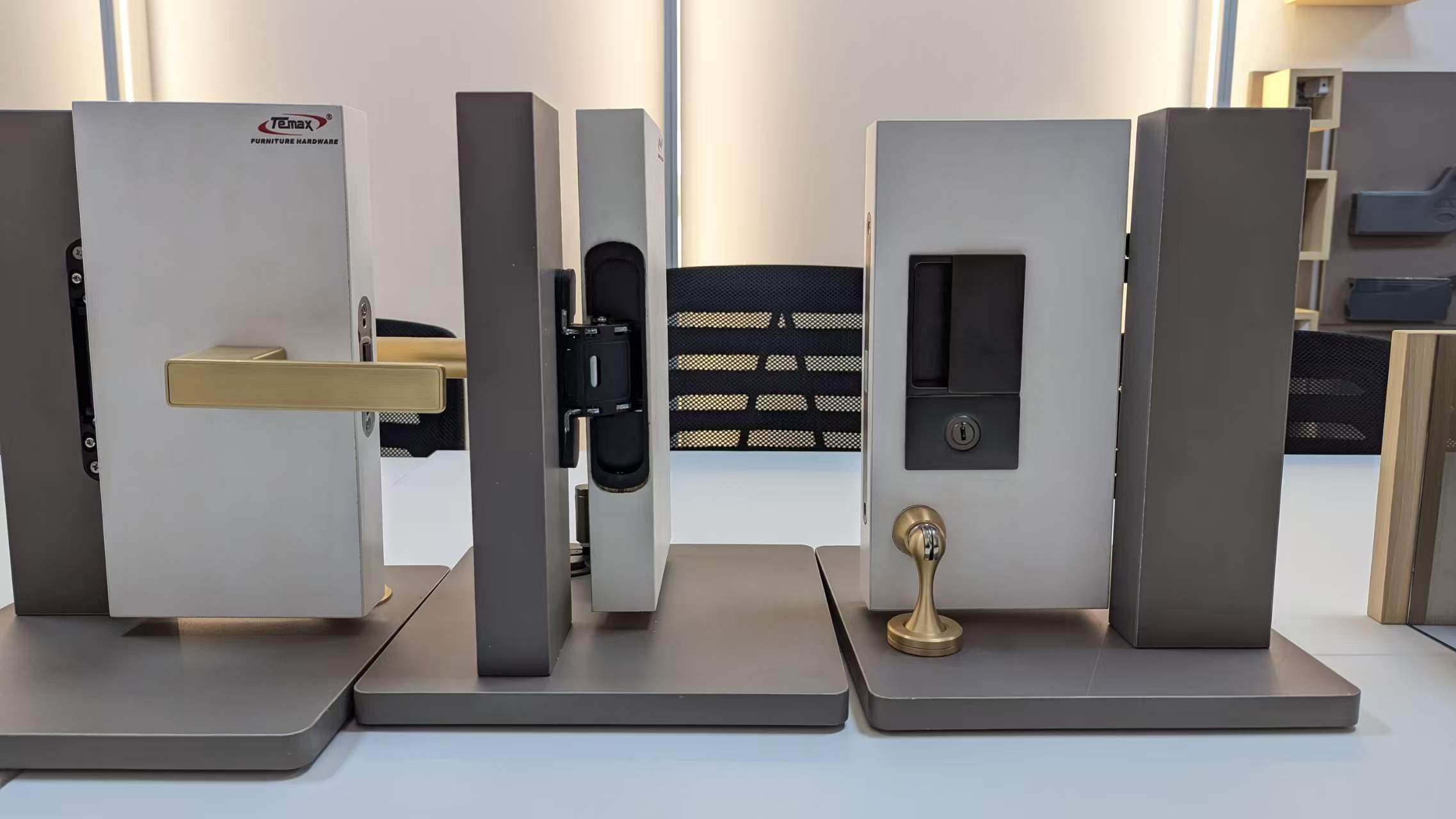
Engineering Precision: Sourcing the Optimal Cabinet Door Soft Close Damper
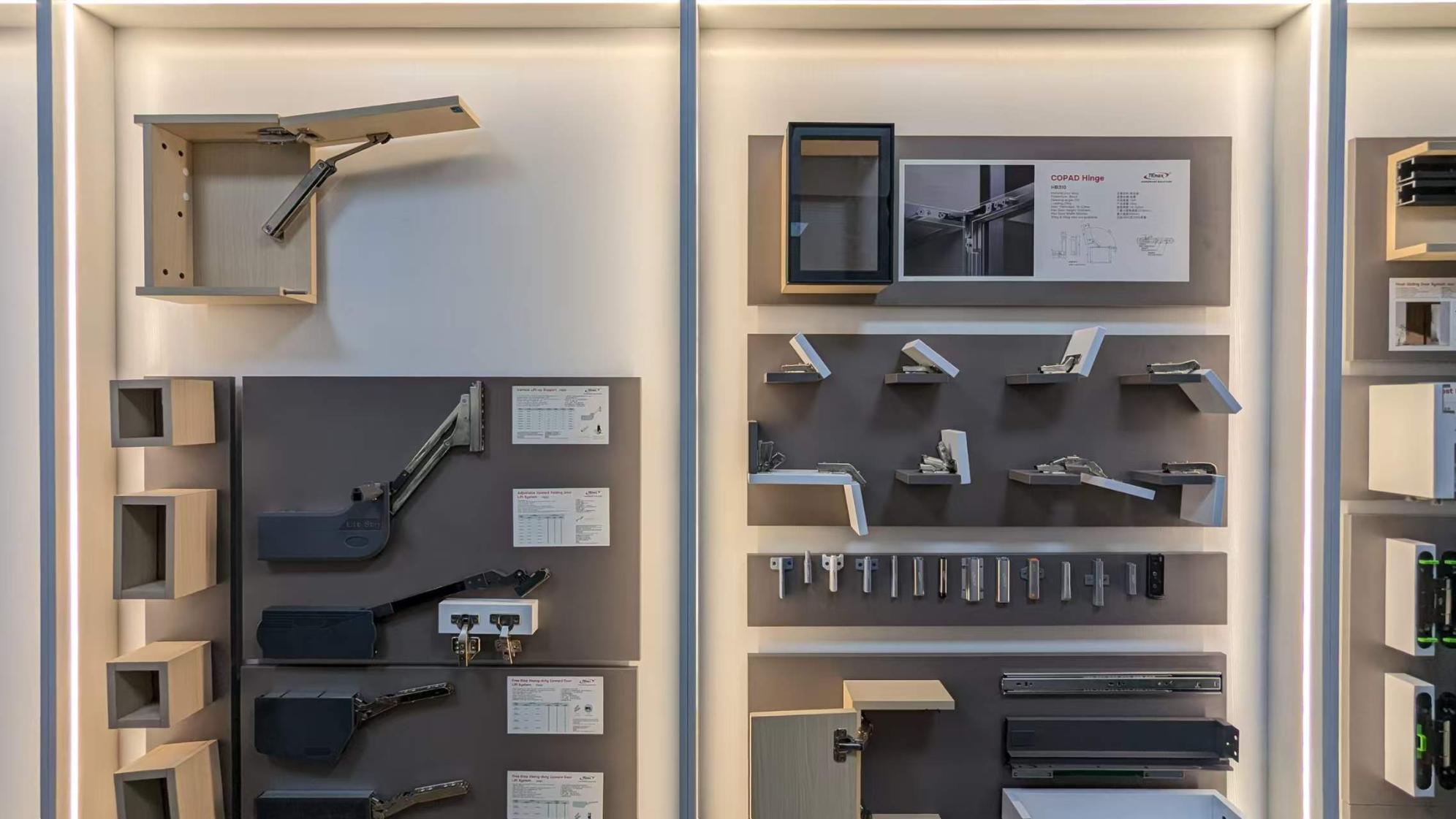
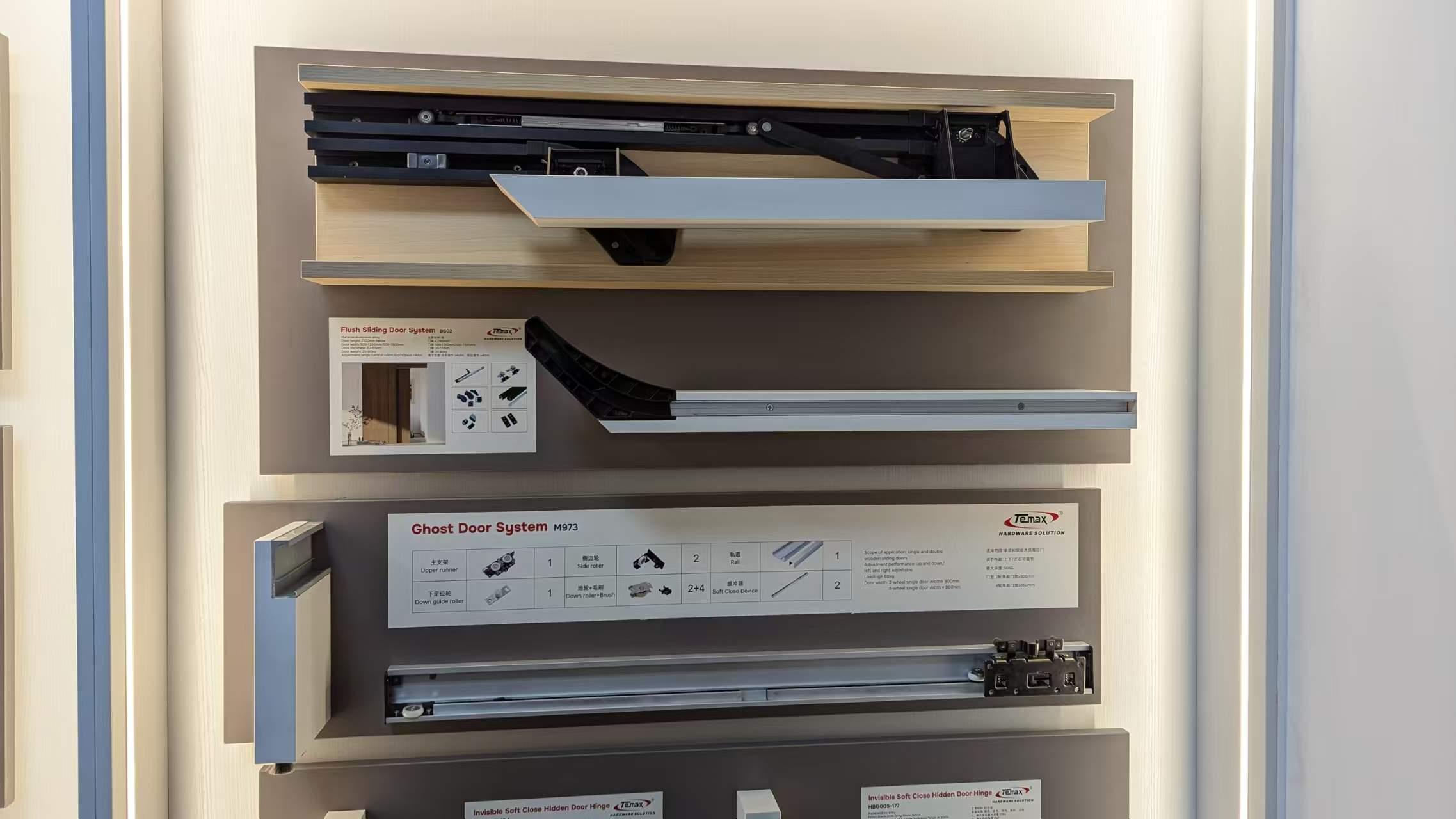
In modern architectural cabinetry and modular kitchen production, the transition from conventional spring-loaded closing mechanisms to fluid hydraulic deceleration has redefined furniture value propositions. The cabinet door soft close damper serves as the fundamental mechanical buffer preventing cabinet core degradation, mitigating noise pollution, and providing the tactile deceleration profile end consumers associate with luxury custom millwork.
Global architectural hardware buyers and kitchen cabinet manufacturers frequently confront premature damper fatigue, erratic hydraulic resistance in varied climates, and mounting misalignment during project assembly. Sourcing high-efficiency soft close dampers requires an in-depth understanding of kinetic force absorption, fluid viscosity coefficients under thermodynamic variation, and metallurgical resilience. Shanghai Huzo Hardware Co., Ltd. engineers damping architectures designed to absorb rotational inertia smoothly across extensive lifecycle cycles exceeding 80,000 to 100,000 closing events.
Recommended Cabinet Door Soft Close Damper Systems
Engineered to satisfy commercial durability criteria (EN 15570 Level 3) across residential, hospitality, and institutional cabinetry.

Huzo Pro-Fluid Concealed Damper Piston
Engineered for high-frequency kitchen wall cabinets and heavy timber pantry doors requiring internal bore hole installation.

Universal Retrofit Corner Soft Close Buffer
Fast-mounting surface bracket system engineered for immediate retrofit on face-frame and frameless cabinet interiors without specialized CNC routing.
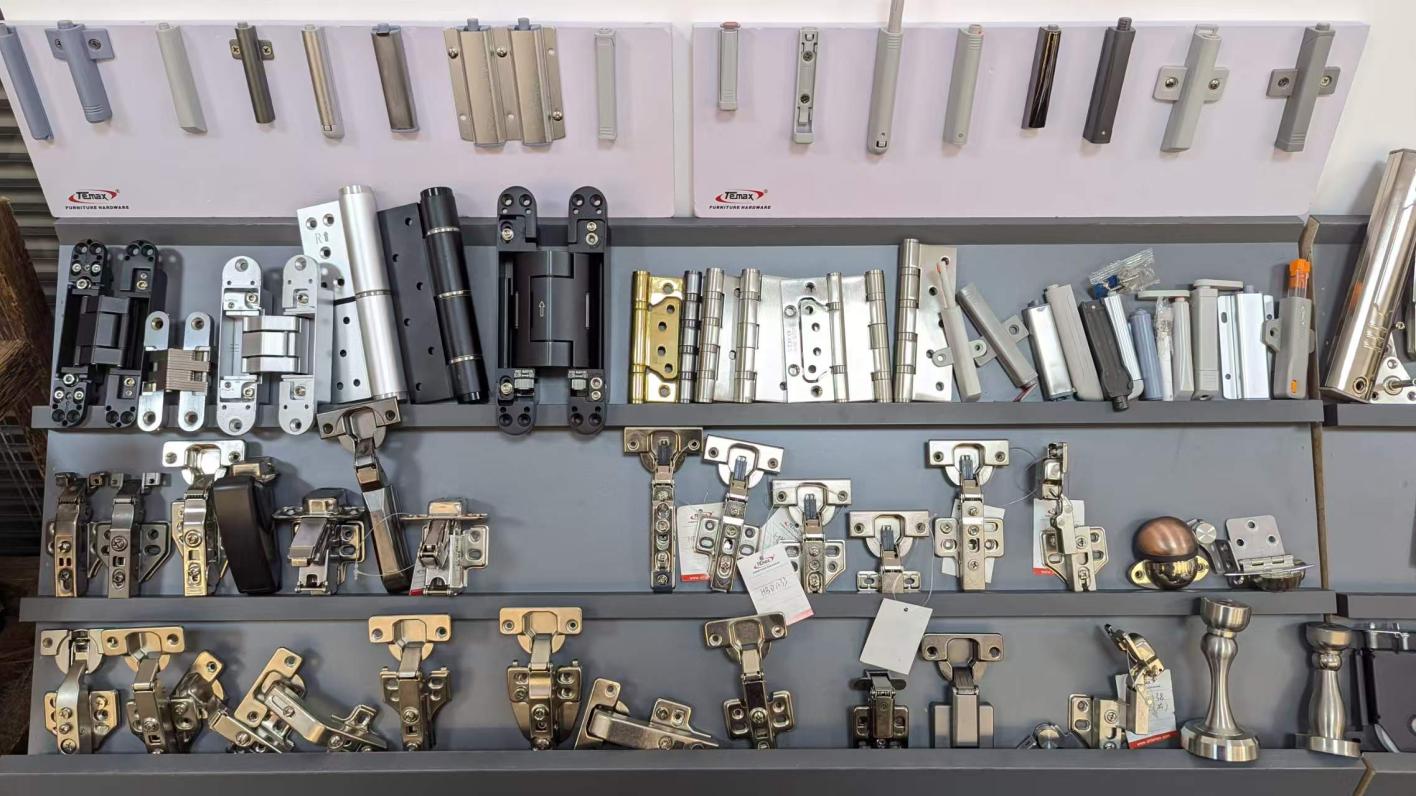
Clip-On Concealed Hinge Arm Damper
Tool-free clip-on hydraulic buffer specifically engineered for Huzo and European style 35mm concealed cup hinges.
Engineering Matrix: Cabinet Door Soft Close Damper Typologies
Selecting the ideal buffer requires reconciling panel weight, closing velocity, aesthetic invisibility, and production floor efficiency. The comparative framework below outlines technical performance parameters verified in Huzo laboratories:
| Damper Architecture | Mounting Interface | Optimal Door Mass | Thermal Stability Range | Key OEM Advantage |
|---|---|---|---|---|
| Integrated Hinge Piston | Directly inside hinge arm | 4 kg – 9 kg per door | -10°C to +45°C | Aesthetically invisible; cuts factory assembly time |
| Bore-in Concealed Damper | Drilled Ø10mm hole in carcase | 5 kg – 14 kg per door | -20°C to +55°C | Sleek minimalist profile, ideal for premium millwork |
| Surface Mount Adapter | Cabinet interior corner screw | 3 kg – 12 kg per door | -15°C to +50°C | Universal field retrofit; adjustable braking resistance |
| Heavy-Duty Gas/Fluid Strut | Flap stay / overhead bracket | 8 kg – 22 kg per door | -25°C to +60°C | Controlled free-stop balancing with soft final close |
Future Procurement Trends in Cabinet Door Motion Control
As international supply chains evolve and consumer expectations advance toward seamless home automation, procurement directors must anticipate shifting market paradigms over the next three to five years:
- Micro-Kinematic Miniaturization: Demand is surging for ultra-compact pistons (Ø8mm and smaller) that deliver damping torque equivalent to traditional Ø12mm cartridges. This enables cabinet makers to maintain ultra-thin door profiles (down to 12mm) without structural telegraphing or risk of veneer perforation.
- Wide-Range Adaptive Fluid Damping: Next-generation cabinet door soft close dampers eliminate manual adjustment screws by incorporating shear-thinning smart hydraulic fluids. These fluids dynamically adapt their shear resistance based on the momentum of the incoming door: closing rapidly under forceful throws yet offering negligible resistance to gentle pushes.
- All-Climate Viscosity Retention: Global furniture distributors shipping across heterogeneous climates demand synthetic silicone polymers that resist thermal expansion and contraction. Dampers must operate consistently whether deployed in freezing Nordic winters or humid tropical coastal zones without oil weeping or erratic bounce-back.
- Circular Economy & Monomaterial Design: Modern European green building compliance and ESG procurement criteria require hardware assemblies designed for end-of-life material separation. The shift toward POM (polyoxymethylene) polymer housings with recyclable stainless internal pistons eliminates leaded brass components and simplifies post-consumer recycling.
Technological Trajectory: From Coiled Springs to Magnetic Damping
The evolutionary trajectory of cabinet door deceleration reflects the broader maturation of precision micro-hydraulics. Early furniture buffers relied on rubber bumpers and simple mechanical coil springs, which merely reduced striking impact without decelerating momentum—frequently causing loud rebound chatter. The subsequent introduction of pneumatic (air-based) dampers represented an improvement in sound reduction, yet pneumatic seals inevitably degraded over 10,000 to 20,000 cycles, causing vacuum collapse and sudden loud slamming.
Today, the gold standard pioneered by Shanghai Huzo Hardware Co., Ltd. incorporates precision-molded aerospace-grade seals, micro-finished piston rods, and hermetically sealed fluid reservoirs. Looking ahead, research into passive eddy-current magnetic damping is underway, promising frictionless motion arrest that completely eliminates hydraulic seals and guarantees indefinite cycle life.