Engineered Concealed & Inset Architectural Motion Hardware
Precision-tested damping kinematics, flush installation mechanics, and specialized architectural rotating mechanisms curated for global OEM/ODM procurement.
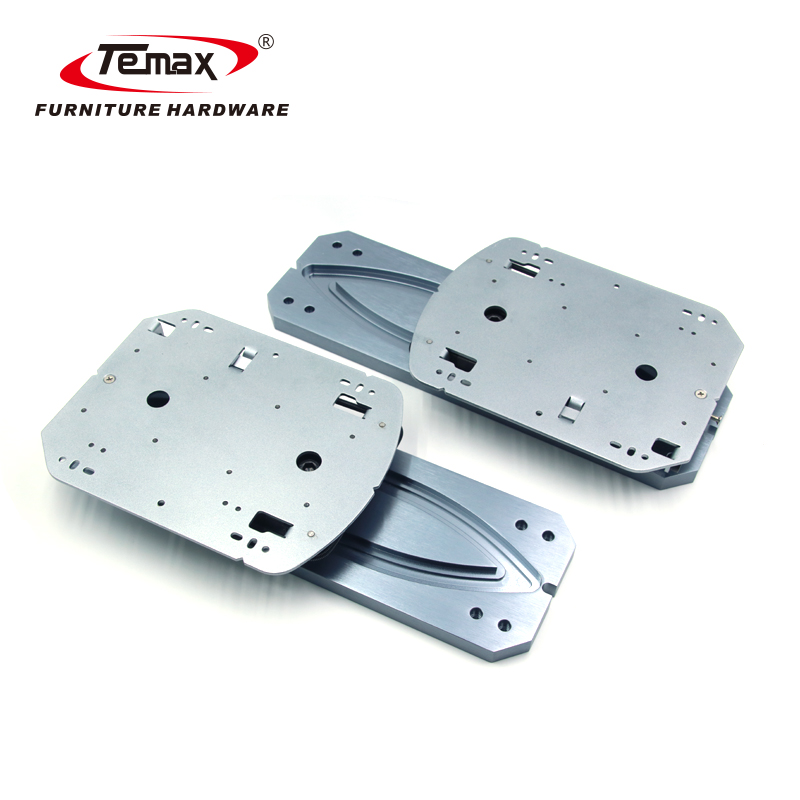
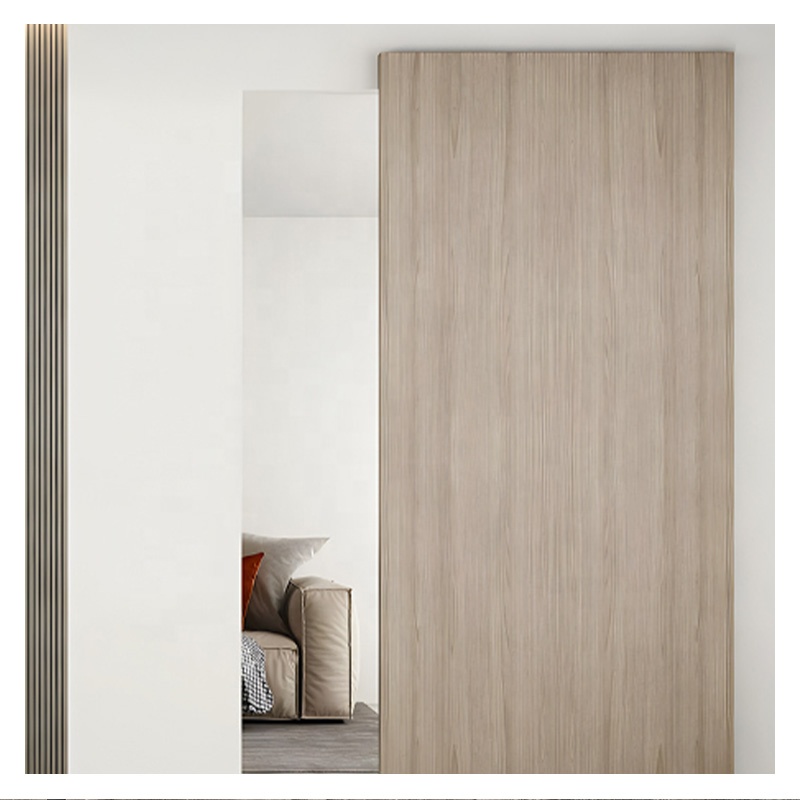
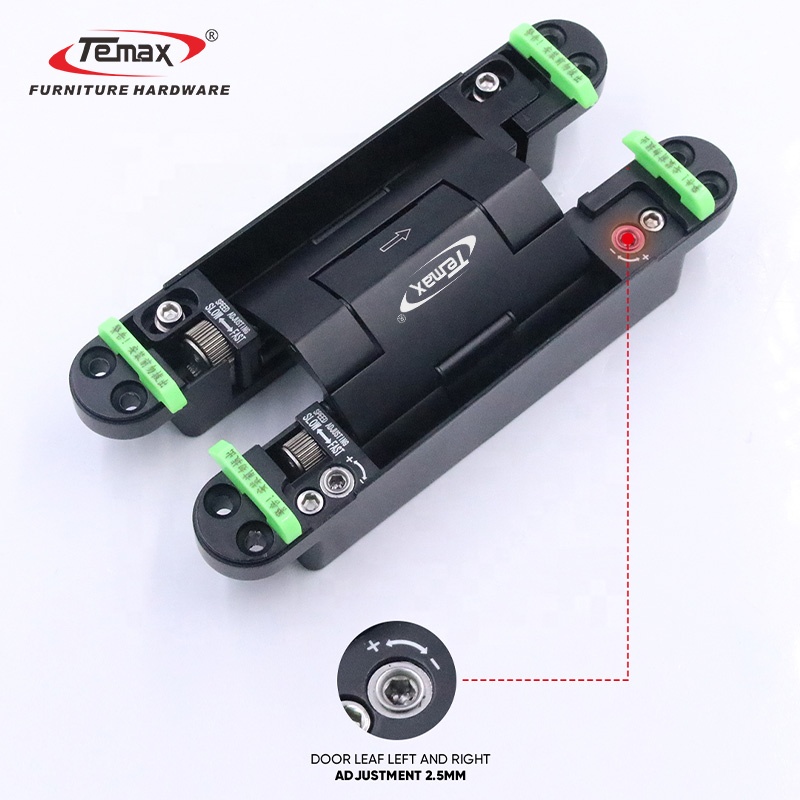
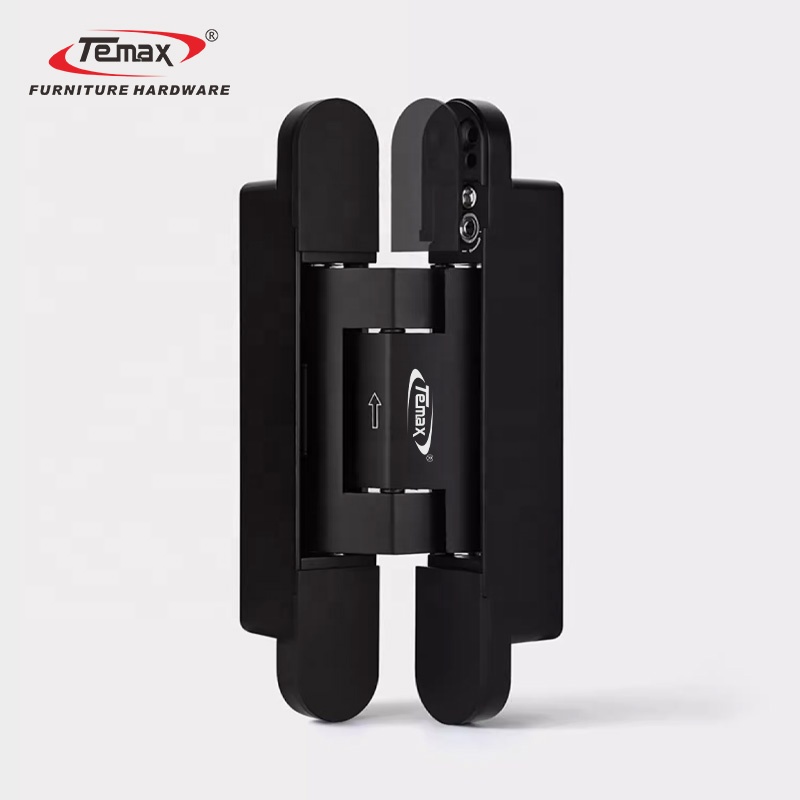

Technical Whitepaper: Engineering CE-Certified Inset Cabinet Hinges for High-End Manufacturing
In modern architectural woodwork and bespoke kitchen cabinetry, the demand for CE Certified inset cabinet hinges has experienced exponential growth across European and international markets. An inset cabinet construction—where the front face of the cabinet door sits flush within the surrounding face frame or carcass opening—presents an exacting engineering challenge. Unlike standard overlay or half-overlay applications where door edges mask slight misalignments, inset applications expose reveals as narrow as 1.5 mm to 2.5 mm. Even nominal deviations in the hinge arm geometry, pivot pin tolerance, or hydraulic dampening rate can result in visible door sagging, rubbing against the internal frame, or premature mechanical failure.
1. Decoding CE Certification & EN 15570 Level 3 Standards
For wholesale purchasers, project contractors, and furniture brands, the presence of legitimate CE Marking is not simply a decorative badge; it signifies compliance with the EU Construction Products Directive and standardized furniture hardware benchmarks, predominantly governed by EN 15570:2008 (Hardware for furniture - Strength and durability of hinges and their components).
Under EN 15570 Level 3 specifications—the rigorous standard required for high-traffic commercial environments and luxury residential installations—hinges must endure up to 80,000 dynamic opening and closing cycles under calibrated door loads without developing lateral deflection exceeding 1.5 mm. Furthermore, inset hinges must undergo static overload tests where a vertical pull force exceeding 200 N is applied at 90 degrees of opening without causing structural fractures to the hinge cup, knuckle link, or mounting plate. CE compliance also necessitates strict material declarations verifying non-hazardous electroplating processes (RoHS and REACH compliance), ensuring zero hexavalent chromium and lead contamination across all surface coatings.
2. Metallurgical Composition and Mechanical Resilience
Leading CE certified inset cabinet hinge manufacturers achieve long-term functional stability through advanced cold-rolled steel (SPCC) stamping and high-density zinc alloy (Zamak 3/Zamak 5) die-casting. The critical component of an inset hinge is its cranked arm geometry. Because the pivot axis must clear the inside edge of the cabinet carcass or face frame, the crank profile experiences extreme torsional shear during initial acceleration and terminal soft-closing phases.
Our verified manufacturing processes employ multi-stage cold stamping with reinforced ribbing along the hinge knuckle, paired with induction-hardened carbon steel pivot pins. This prevents structural ovalization of the hinge pin apertures after tens of thousands of cycles. Surface treatment consists of high-density nickel plating, typically comprising a 3–5 µm copper base layer followed by 7–10 µm of bright nickel plating, achieving neutral salt spray (NSS) test performance upwards of 48 to 96 hours without signs of red rust.
3. Integrated Hydraulic Buffers: The Kinetics of Silent Motion
The integration of liquid-phase hydraulic cylinders inside the hinge arm represents the benchmark of luxury cabinetry. Unlike pneumatic pistons prone to temperature-dependent bounce-back and seasonal viscous drift, advanced sealed hydraulic dampers utilize high-viscosity synthetic silicone oils that retain linear dampening efficiency across temperature regimes ranging from -10°C to +50°C.
For inset configurations, the soft-closing deceleration curve must be finely tuned: deceleration must initiate around an opening angle of 30 degrees and softly seat the door into the frame at 0 degrees without bounce or slam. This eliminates cosmetic collision between the door edge and the carcass interior lip.
Future Procurement Trends in Architectural Motion Hardware
How automation, minimalistic interior architecture, and stringent environmental criteria are reshaping global hardware supply chains for 2026 and beyond.
Integrated 3D / 4D Cam Micro-Adjustment
Gone are manual loosening screws. The industry benchmark has rapidly shifted to cam-actuated 3D/4D adjustments built into the clip-on baseplate. Cabinet fitters achieve millimeter-precise horizontal (±2mm), vertical (±2mm), and depth (±1.5mm) alignments directly with a single Pozi screwdriver, slashing on-site installation time by 40% on large multi-unit developments.
Consolidated Vendor Supply Chains
Global furniture brands and tier-1 distributors are phasing out multi-vendor fragmentation. Procurement directors favor unified manufacturers capable of engineering concealed inset hinges, undermount sync drawer runners, smart magnetic push-open systems, and ghost sliding mechanisms under a solitary factory QC regime and unified ERP shipment schedules.
Titanium & Deep Matte Surface Finishing
Driven by dark-stained walnut, charred oak, and ultra-matte graphite cabinet trends, raw bright-nickel hinges are yielding market share to vacuum electro-deposited titanium black, gunmetal basalt, and brushed anthracite finishes that seamlessly camouflage the hinge into dark architectural interiors without sacrificing 48h salt spray resistance.
18 Years of Exporting Precision Furniture Fittings Worldwide
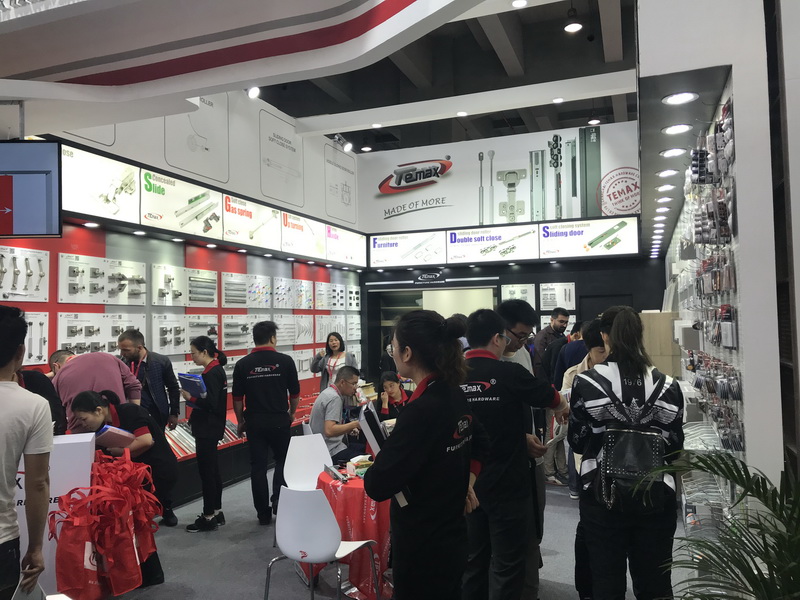
Founded in 2008, Shanghai Huzo Hardware Co., Ltd. (TEMAX Hardware) operates as an audited manufacturer and global supplier specializing in motion architecture hardware. Backed by onsite physical audit verification by TÜV Rheinland, we supply custom hardware solutions to contract fabricators, luxury kitchen designers, and major wholesale distributors across South America, Central America, Eastern Europe, Africa, and the Middle East.
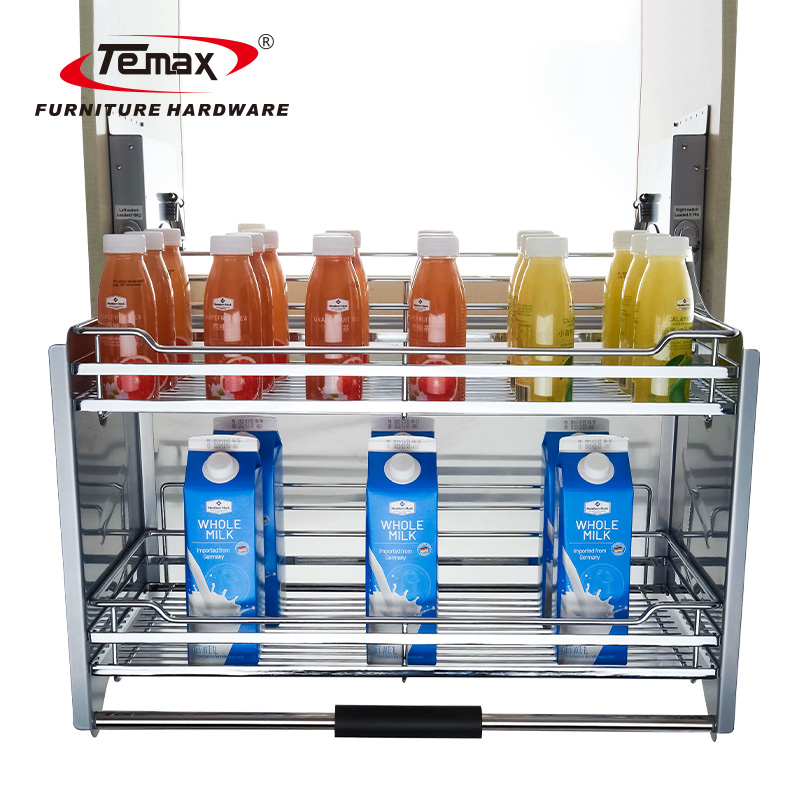
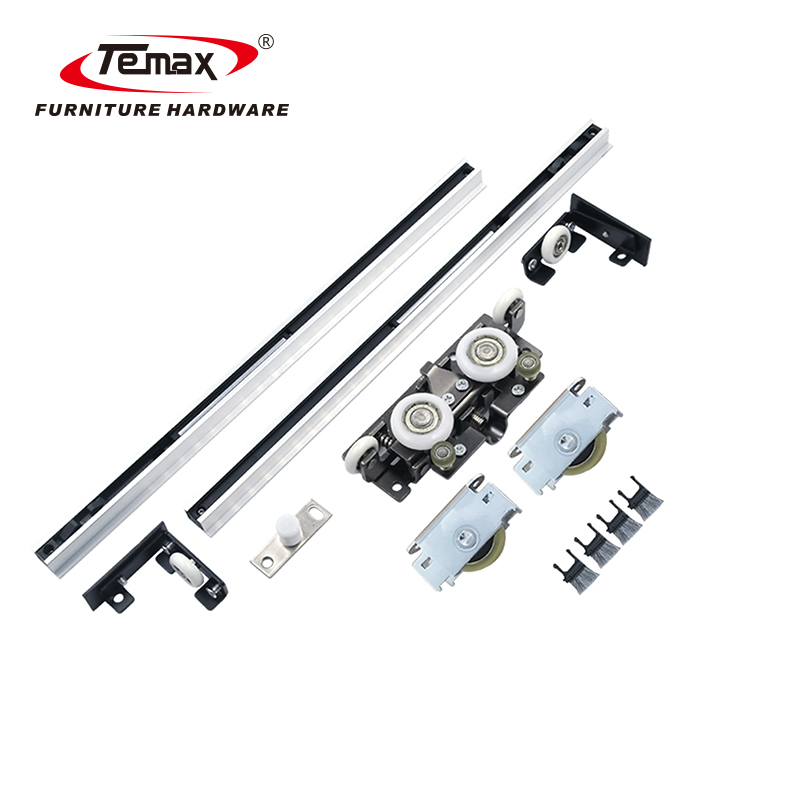
Our manufacturing ecosystem houses over 3,000 SKUs spanning CE certified cabinet hinges, full-extension undermount runners, overhead vertical cabinet lift mechanisms, and concealed sliding door rollers. Every order is orchestrated through an integrated enterprise ERP pipeline ensuring transparent production milestone reporting and guaranteed 20-day delivery cycles for catalog items.
- Onsite-verified manufacturer audited by TÜV Rheinland (Report dated 2026.01.27)
- Comprehensive SGS, BV, and CE/EN 15570 performance and cyclic testing compliance
- Four-stage quality control: Raw material assay, in-line stamping, hydraulic testing, carton audit
- Flexible OEM/ODM engineering support: Custom laser logo, branding, and mold tooling
Frequently Asked Questions on Inset Hinge Procurement
Critical engineering considerations, testing standards, packaging criteria, and logistics for overseas bulk purchasers.
Q1 What distinguishes an inset cabinet hinge from full and half-overlay hinges?
An inset cabinet hinge features a pronounced high-crank arm (typically 17 mm to 19 mm crank height). This offset geometry allows the door panel to recess entirely inside the frame, leaving the cabinet face frame or side panel visible. Full overlay hinges feature a flat arm (0 mm crank), and half overlay hinges feature an intermediate crank (8 mm to 9 mm).
Q2 What are the standard cup diameter and drilling distance specifications?
The global industry standard is a 35 mm cup diameter with a 11.5 mm to 12 mm bore depth. Drilling margin (distance from the door edge to the cup perimeter) typically spans 3 mm to 7 mm. For inset doors, careful calibration of the edge drilling margin is critical to prevent binding when the door rotates into the cabinet carcass.
Q3 How does CE certification impact customs clearance and market entry in the EU?
CE marking confirms that our hardware complies with relevant European performance mandates under EN 15570. Having complete third-party test reports (SGS/TÜV) in the importer's Technical Construction File ensures smooth customs clearance and satisfies statutory commercial liability criteria for architectural contract tenders.
Q4 What are the typical factory Minimum Order Quantities (MOQs)?
For standard concealed hydraulic hinges, standard production runs typically start from 1,000 to 10,000 pieces depending on custom packaging and stamping requirements. High-end sliding systems and complex multi-link rotating mechanisms start from as low as 6 to 100 sets to facilitate pilot architectural rollouts.
Q5 How is salt spray resistance tested to prevent corrosion?
Our surface finishes undergo continuous Neutral Salt Spray (NSS) testing per ASTM B117 / ISO 9227 standards in sealed chamber conditions with a 5% NaCl aerosol solution. CE certified grade units achieve upwards of 48 to 96 hours without signs of red rust, qualifying them for coastal and high-humidity kitchen installations.
Q6 What logistics and commercial terms are supported for international buyers?
We support versatile trade arrangements including FOB (Shanghai/Ningbo), CFR, CIF, EXW, and door-to-door DDP. Payment currencies accepted include USD, EUR, GBP, AUD, and CAD through wire transfer (T/T), Letter of Credit (L/C), and international escrow channels, supported by full export documentation.
Partner with an Audited Hardware Manufacturer
Consult with our structural hardware engineers, request physical CE compliance test dossiers, or order factory sample kits for your upcoming cabinetry production line.
Contact Us