Engineered Concealed Hinges & Advanced Mechanical Systems
Discover our precision-manufactured stainless steel hinges, hydraulic self-closing dampers, multi-axis concealed pivots, and silent rotating architectural assemblies designed to exceed ANSI/BHMA and European EN 1935 industrial standards.
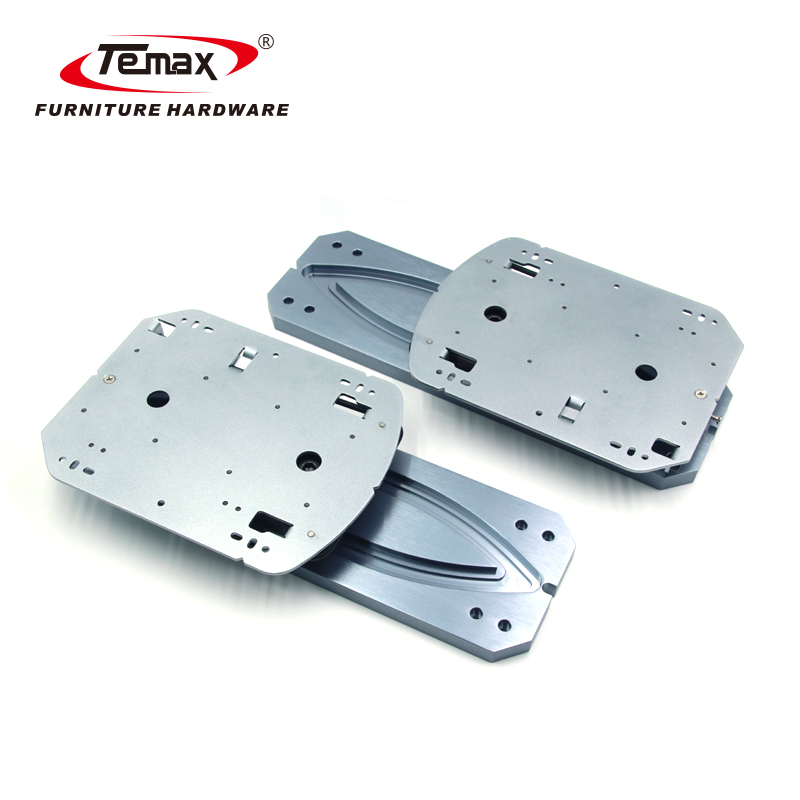
Temax W-A311 360 Degrees Rotate Wardrobe Turntable Cabinet Hardware
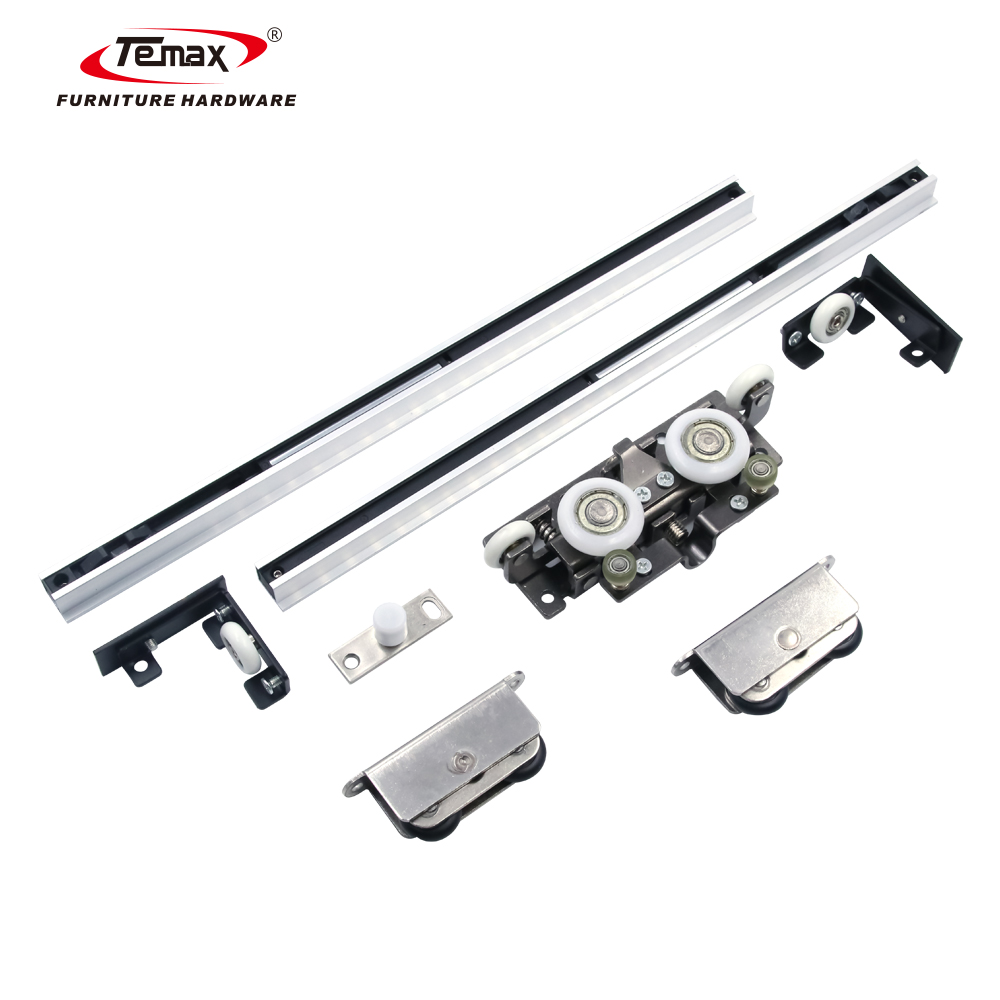
TEMAX M973 Hot Selling Hidden Door Trackless Mechanism of Ghost Door Invisible Door Slider System
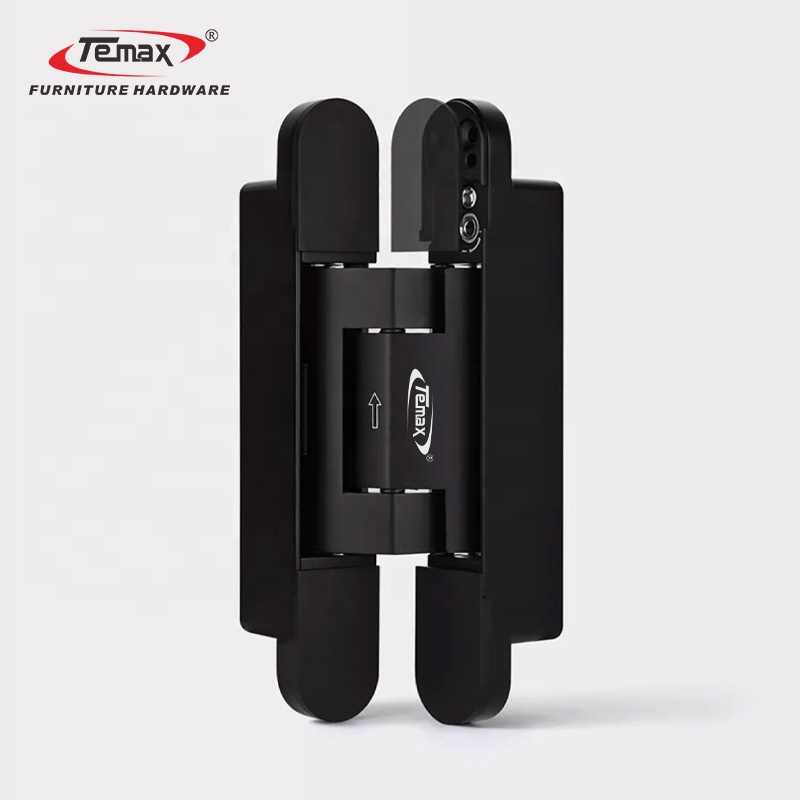
TEMAX HBG005 2D Black Door Hinges Hydraulic Soft Close Door Closer Interior Hidden Door Hinges
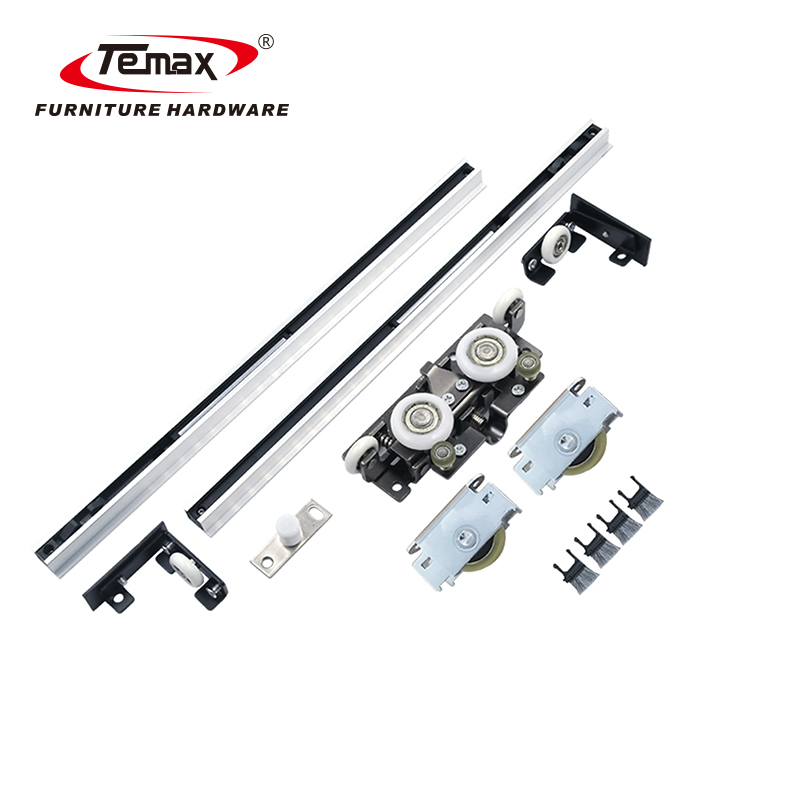
Wall Mount Soft Close Smart Sliding Door Roller Concealed Sliding Door Roller Ghost Sliding Door Roller
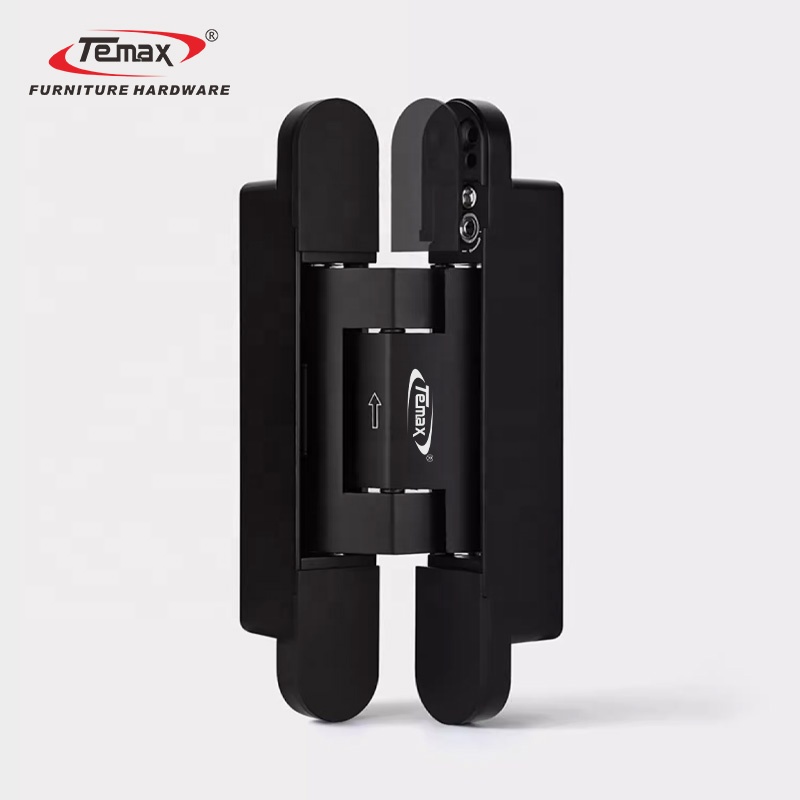
TEMAX HBG005 2D Speed Adjust Black Door Hinges Hydraulic Soft Close Door Closer Heavy Duty Interior Hidden Door Hinges
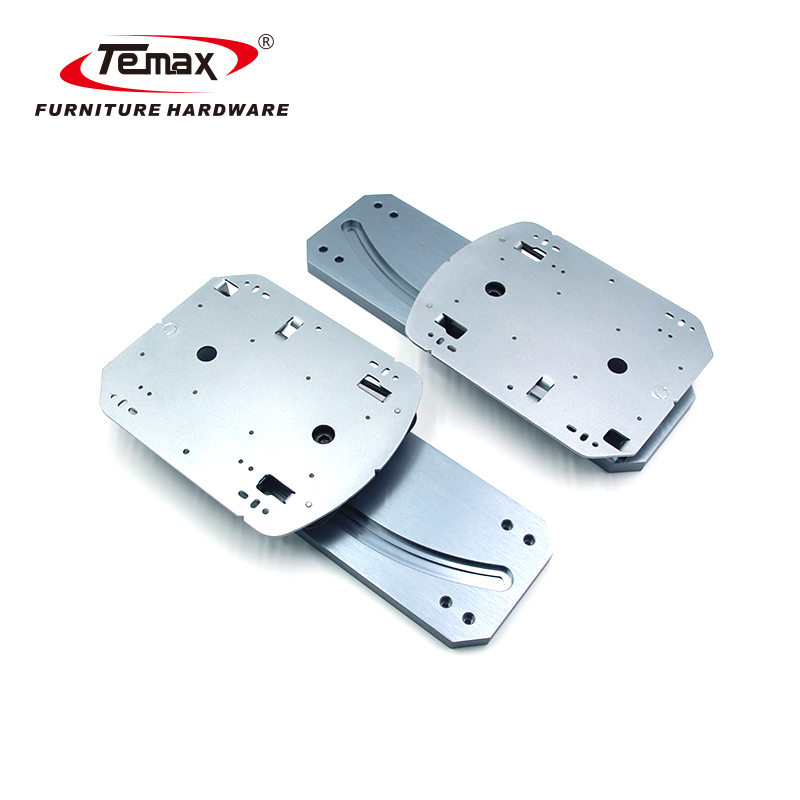
TEMAX W-A311 2025 New Cabinet Accessory Multi Functional 180 Degree Rotating Furniture Cabinet Mechanism
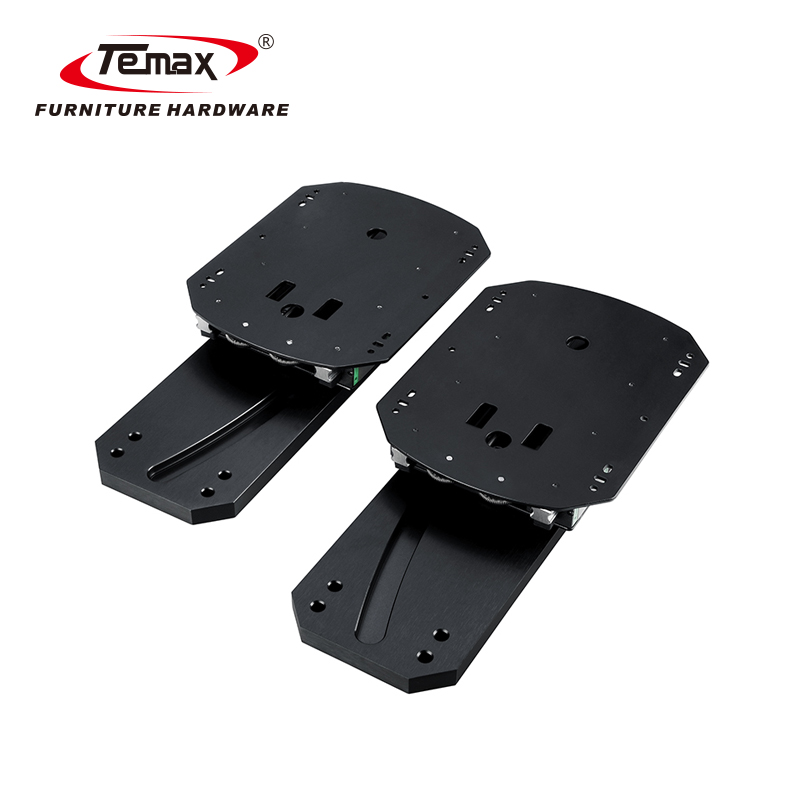
Temax Space Saving Soft Close Rotating Cabinet Hardware for Furniture Accessories
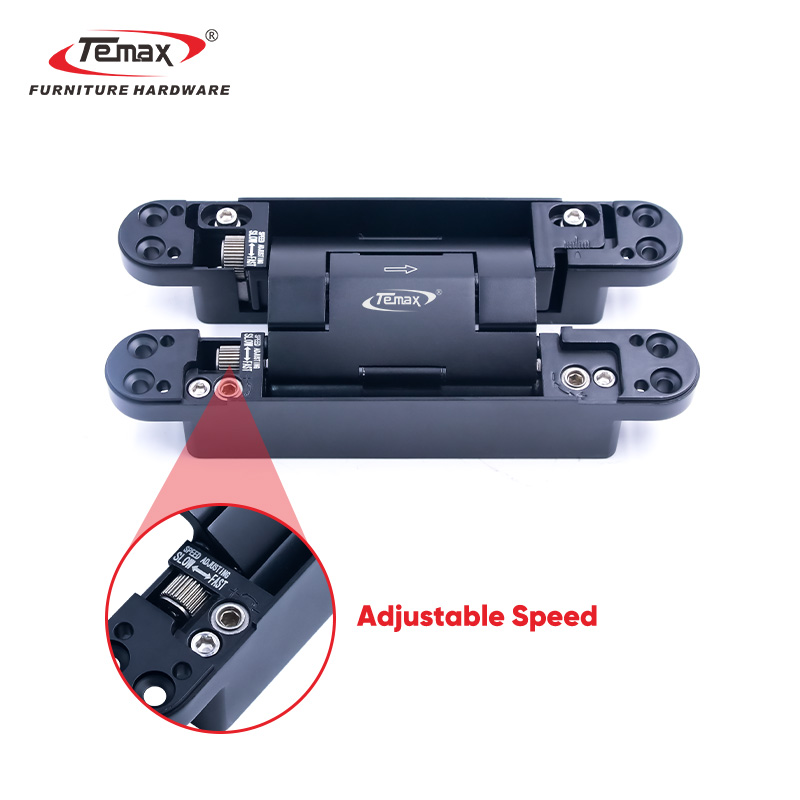
Temax HBG005 New Design Door Fittings Hardware Auto Closing Hinges Soft Closing 177 Concealed Hidden Hinge
Enterprise Engineering Advantages & Industrial Export Reliability
As a prominent player among China wholesale stainless steel hinges manufacturers and international exporters, our organization operates at the intersection of precision metallurgy, automated cold-forming, and strict empirical quality control. Backed by 18 years of specialized manufacturing since 2008 and on-site audit certification by TÜV Rheinland, we engineer solutions engineered specifically for high-load architectural frameworks, marine installations, luxury residential joinery, and heavy industrial cabinets.
Our competitive advantage is grounded in comprehensive vertical integration. From spectroscopic material composition verification of raw austenitic stainless steel (AISI 304 and AISI 316) to robotic progressive stamping, vacuum heat treatment, and specialized surface finishing (including electrochemical polishing and PVD physical vapor deposition), every stage occurs under strict ISO 9001:2015 traceability. With more than 3,000 active hardware SKUs, proprietary ERP live order monitoring, and third-party laboratory verification through SGS and Bureau Veritas (BV), we give global brand owners and tier-one distributors absolute assurance against premature cycle fatigue, mechanical sagging, and intergranular corrosion.
TÜV Onsite Verified Facility
Audited on-site by TÜV Rheinland for finished product performance, mechanical assembly tolerances, and raw material chemical compliance.
Austenitic Alloy Integrity
Strict refusal of reclaimed scrap steel; standard 18/8 Cr-Ni matrix formulation guaranteeing optimal passivation films and extreme salt-spray resistance.
ERP Real-Time Tracking
End-to-end milestone visibility across stamping, dampener insertion, batch plating, final torque profiling, and container stowage.
Metallurgical Matrix: Stainless Steel Grade Comparison for Hinge Procurement
Selecting the correct metallurgical specification is the most critical commercial decision when sourcing wholesale hinges from China. Specifying non-compliant alloys or under-specifying protective microstructures can lead to catastrophic stress corrosion cracking, pivot seizure, or unsightly surface oxidation in high-humidity climates. The table below delineates the empirical engineering parameters across our primary production lines:
| Alloy Grade | Nominal Chemical Profile | Yield Strength (Rp0.2) | ASTM B117 Neutral Salt Spray | Recommended Environments | Suitability Level |
|---|---|---|---|---|---|
| AISI 316 Marine Grade | 16-18% Cr, 10-14% Ni, 2-3% Mo | ≥ 290 MPa | 500+ Hours (No Rust) | Coastal infrastructure, marine yachting, laboratory joinery, chlorine environments | Maximum Endurance |
| AISI 304 Architectural | 18-20% Cr, 8-10.5% Ni | ≥ 230 MPa | 200 - 300 Hours | Luxury residential cabinetry, hotel interior partitions, commercial restrooms | Industry Benchmark |
| AISI 201 Modified | 16-18% Cr, 3.5-5.5% Ni, 5.5-7.5% Mn | ≥ 310 MPa | 48 - 72 Hours | Dry inland furniture, budget consumer wardrobes, non-condensing environments | Economic Interior |
| Die-Cast Zinc Alloy (#3/#5) | Zn-Al4-Cu1 Complex | ≥ 200 MPa | 96 - 150 Hours (Plated) | Intricate concealed multi-axis pivot links, adjustable internal 3D components | Complex Geometry |
Note: Standard neutral salt spray (NSS) test conducted in accordance with ASTM B117 / ISO 9227 at 35°C with 5% NaCl aerosol concentration. Inspection occurs without post-test chemical passivating wash.
Strategic Procurement Trends: How Global Buyers Are Sourcing Hinges (2025–2030)
The global supply chain for architectural and furniture hardware is undergoing structural transformations. Procurement directors and contract furniture manufacturers are shifting away from fragmented transactional purchasing toward integrated engineering alliances with dedicated Chinese manufacturing partners. The defining procurement vectors for the upcoming five-year horizon encompass:
1. Multi-Category Vendor Consolidation (One-Stop Sourcing): Importers are actively reducing operational overhead by eliminating separate sourcing channels for cabinet hinges, concealed door pivots, undermount drawer slides, and sliding gear. Consolidating full project bills of materials (BOM) under a unified manufacturer like Huzo allows buyers to harmonize metal finishes (e.g., matching PVD matte black across hinges, handles, and runners), synchronize container cubic meter (CBM) utilization, and streamline warranty accountability under a single quality management system.
2. Mandatory Chemical & Metallurgical Passports: Driven by tightening regulatory mandates across North America and the European Union (e.g., REACH, RoHS, and emerging Corporate Sustainability Due Diligence directives), tier-one buyers no longer accept unverified material declarations. Procurement contracts now routinely demand 3.1 Mill Test Certificates (MTC), spectroscopic batch assay readouts, and documented heavy-metal exclusion tests for electroplated coatings to safeguard brand reputation against liability risks.
3. Resilience via Buffer Stock & Multi-Currency Settlement: Fluctuations in raw nickel and chromium indices have made agile inventory strategies mandatory. Progressive exporters now provide bonded warehousing buffers in Chinese free-trade zones, stabilizing pricing indices against commodity volatility. Simultaneously, commercial terms have expanded beyond USD-only wire transfers to include multi-currency hedging across EUR, GBP, AUD, and RMB, reducing exchange transaction frictional losses by up to 3.8% annually.
Technological & Mechanical Trajectories: The Next Generation of Hinges
Hardware engineering is no longer simply about passive mechanical swinging; modern spatial design demands dynamic kinetic performance, absolute architectural invisibility, and seamless tactile feedback. The primary engineering development trends reshaping stainless steel and concealed hinge manufacturing include:
Monolithic "Ghost" Invisibility & Trackless Kinematics: Minimalist interior trends demand zero visual intrusion from mechanical hardware. Systems such as our TEMAX M973 Trackless Ghost Door mechanism hide the load-bearing rollers and guide channels within the leaf itself, eliminating floor tracks entirely. Similarly, concealed multi-axis hinges feature flush jamb milling profiles that disappear when doors are closed, providing unbroken architectural sightlines.
Miniaturized Dual-Speed Hydraulic Damping Cylinders: Conventional spring-only return hinges cause jarring slams and rapid door-frame fatigue. Next-generation hinges, exemplified by our HBG005 series, embed micro-hydraulic cylinders with twin independent oil valves. This allows installers to precisely calibrate two independent operational zones: the primary closing sweep velocity (from 110° down to 15°) and the soft-catch latching velocity (from 15° to 0°), preventing door bounce and maintaining whisper-quiet closure under shifting aerodynamic pressures.
Toolless 3D & 4D On-Site Micro-Calibration: Settling foundations, seasonal timber humidity expansion, and jobsite framing discrepancies can easily disrupt narrow cabinet gaps. Contemporary concealed hinges integrate cam-driven, micro-adjustment screws offering independent toolless or screwdriver-based alignment along the X (horizontal ±2mm), Y (vertical ±2.5mm), and Z (depth ±1.5mm) axes. This cuts contractor installation time by up to 45% compared to legacy fixed-knuckle hinges.
Commercial & Technical Procurement FAQ for Global Importers
Connect Directly with Our Engineering & Export Desk
Whether you require full container load (FCL) wholesale pricing, custom tool fabrication for proprietary door systems, or free sample kits for architectural tenders, our technical export specialists provide complete quotations and CAD verification within 24 hours.