2008
Established
3,000+
Hardware SKUs
100k+
Cycle Fatigue Tests
~20d
Standard Lead Time
99.6%
Response Rate
Flagship Hardware Architecture
High-Performance Hydraulic & Concealed Articulation Systems
Engineered for seamless architectural integration, heavy-load dynamics, and acoustic damping reliability. Every unit undergoes automated pneumatic damping validation and structural shear verification.
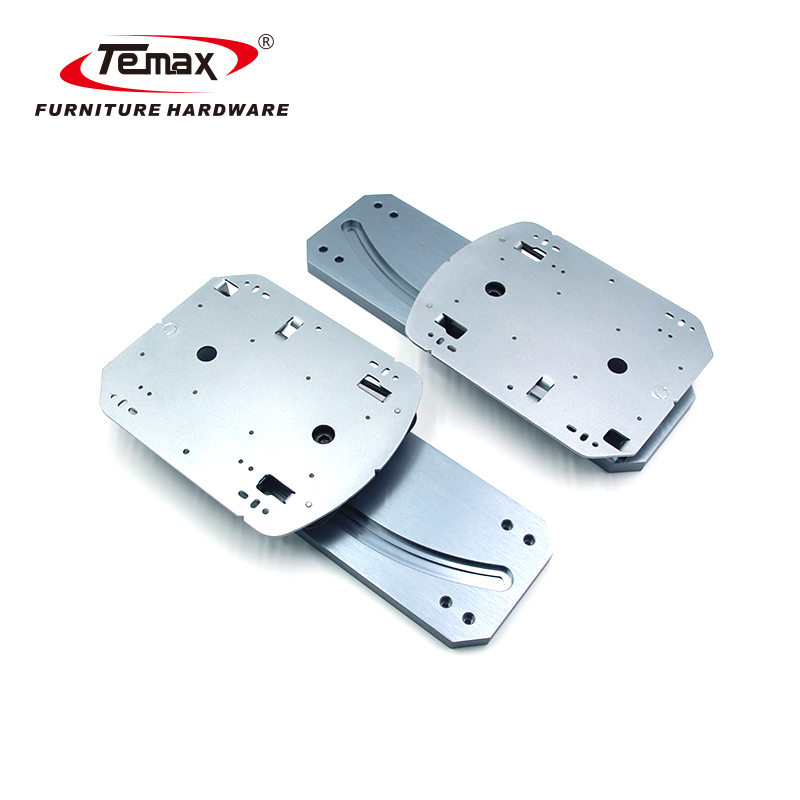
TEMAX W-A311 Multi-Functional 180 Degree Rotating Cabinet Mechanism
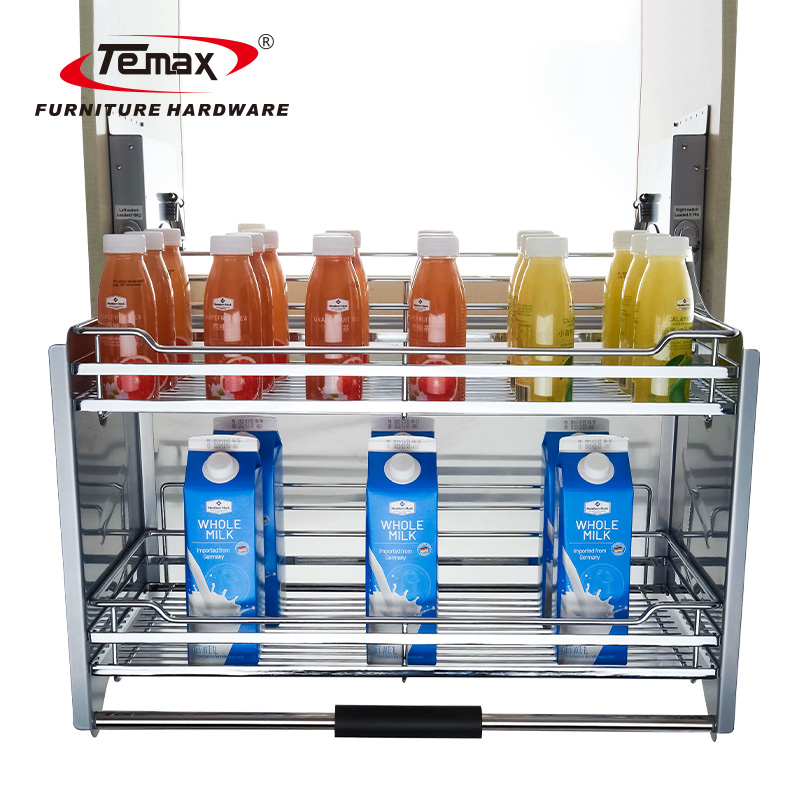
Temax DL190A Hydraulic Lift Heavy Duty Upper Cabinet Basket Mechanism
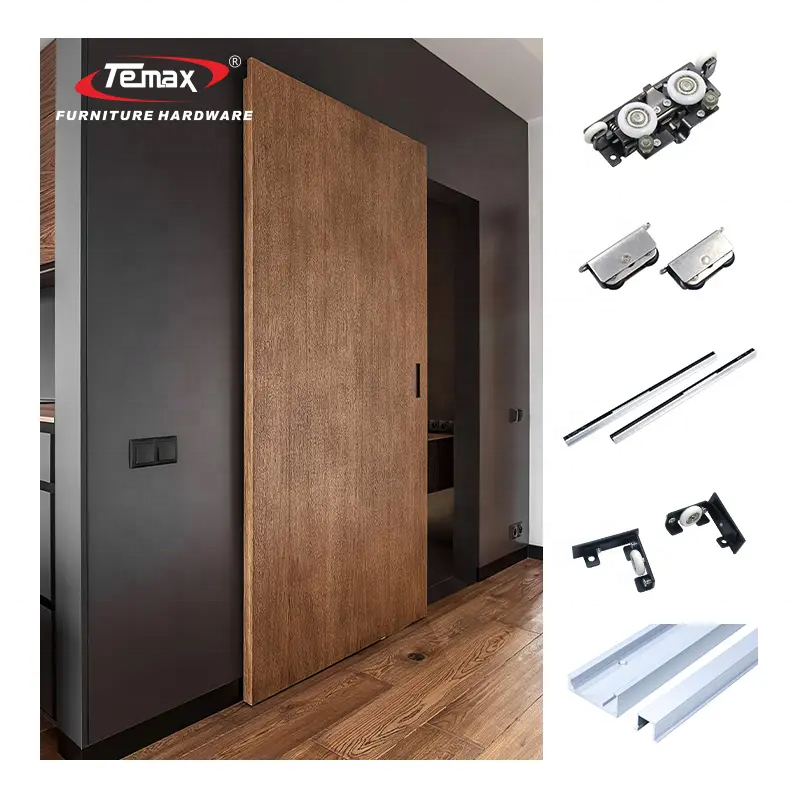
TEMAX Invisible Frameless Ghost Concealed Sliding Door Mechanism

Temax 180/360 Degree Rotating Cabinet Body Articulation System
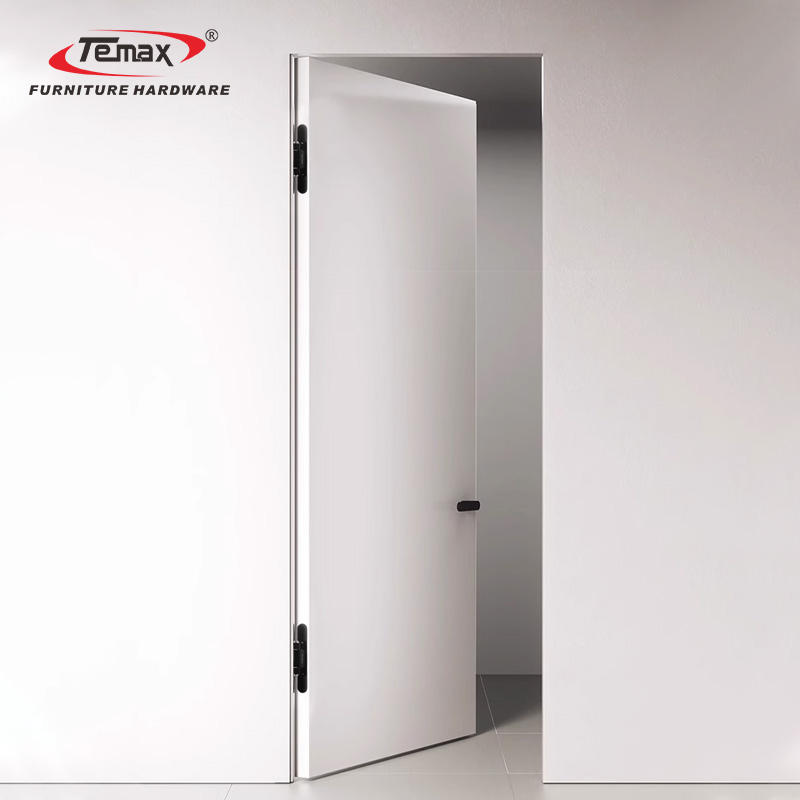
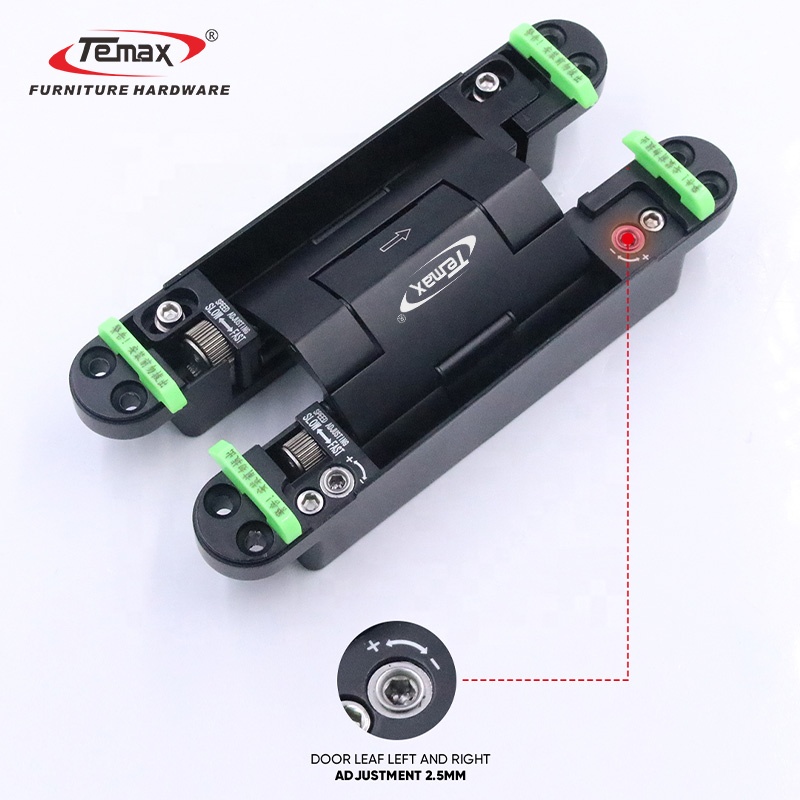
Temax Zinc Alloy Concealed 180 Degree Hydraulic Buffer Door Hinge
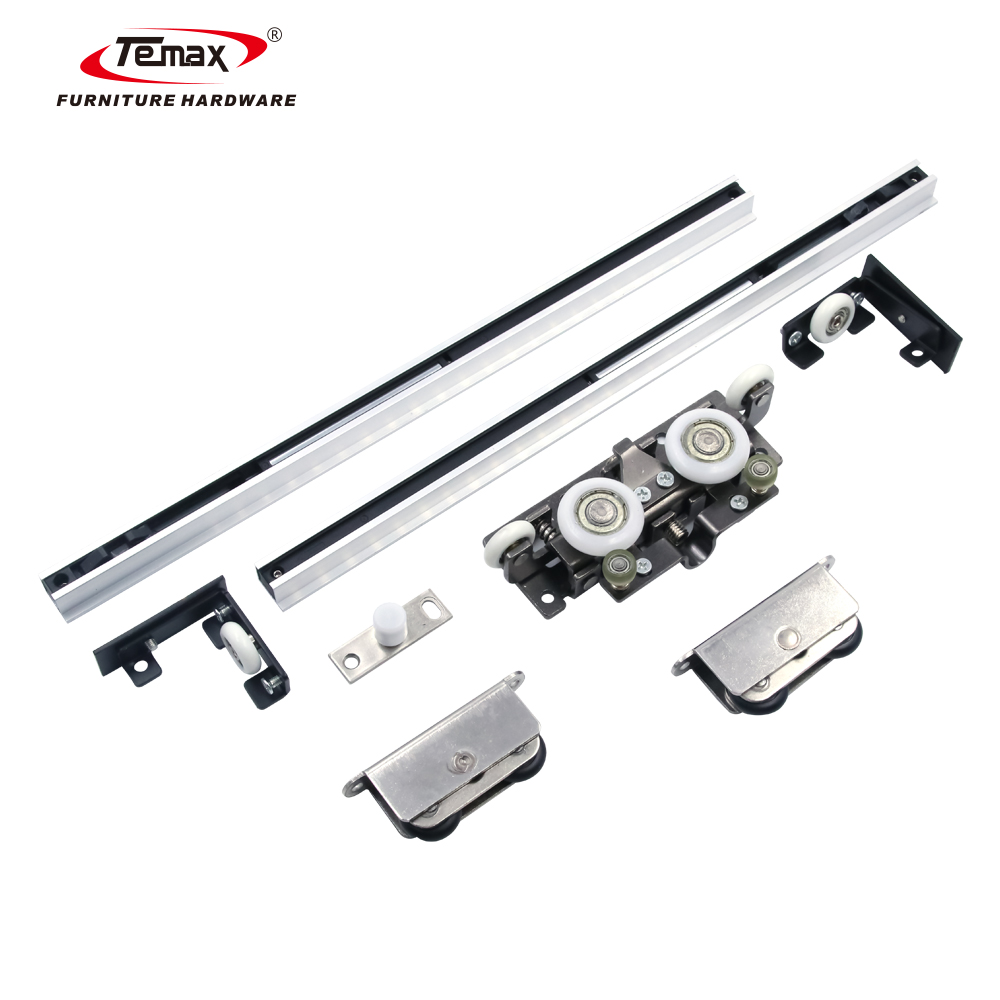
TEMAX M973 Trackless Ghost Door Concealed Mechanism System
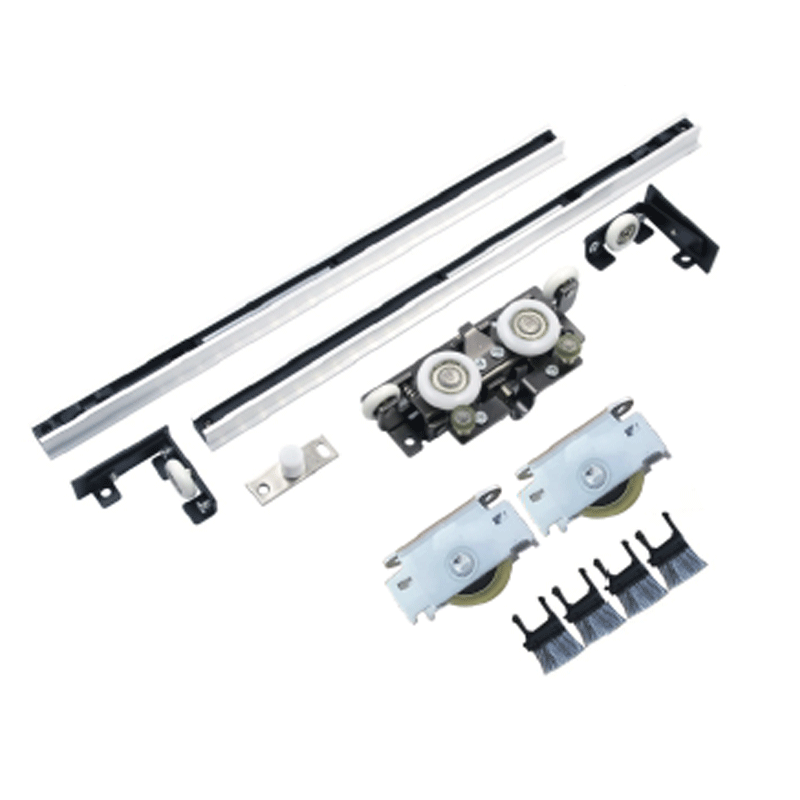
Temax M973 60KG Double Soft Close Magic Sliding Door Roller
Strategic Procurement White Paper
Emerging Trends Reshaping B2B Furniture Hardware Sourcing
In-depth technical analysis for contract furniture developers, OEM kitchen cabinet manufacturers, and procurement directors evaluating total cost of ownership (TCO) across hydraulic systems.
Kinematic Durability & Viscous Damping Stability
Global procurement teams are shifting away from entry-level pneumatic dampers toward hermetically sealed hydraulic damping cylinders. The primary operational risk in high-humidity and variable-temperature markets is fluid leakage and damping decay. Sourcing mandates now require copper-core dampers with double-lip synthetic rubber O-rings, ensuring smooth deceleration across -15°C to 50°C without mechanical stutter or oil discharge.
Supply Chain Consolidation & SKU Integration
Fragmented sourcing models are being phased out by multinational furniture conglomerates in favor of integrated hardware partners. By pairing hydraulic hinges, undermount slides, and concealed sliding door gear under a unified quality assurance protocol, procurement departments eliminate batch-to-batch plating disparities (such as titanium black, electroplated nickel, or matte champagne) and dramatically compress customs logistics overhead.
Stringent Neutral Salt Spray (NSS) Compliance
Architectural interior standards (such as EN 15570 Level 3 and ANSI/BHMA A156.9) now demand minimum 48-hour to 96-hour neutral salt spray ratings for cabinet hinges. In high-salinity coastal areas, buyers insist on multi-layer composite electroplating: an acid copper layer for bonding, semi-bright nickel for leveled coverage, and a dense chrome/electrophoretic topcoat to eradicate surface pit corrosion over 10+ years of operational life.
Engineering Roadmap
Next-Generation Technology Evolution in Hydraulic Articulation
Where furniture hardware kinematics is heading over the next decade: thinner profiles, larger door capacities, and micro-adjustable multi-axis mounting.
Ultra-Thin Profile & Invisible Cavity Milling
Modern minimalist interior architecture favors frameless designs and hairline gaps (< 1.5mm). Next-generation hinges incorporate low-profile hinge cup depths of 8.5mm to 10mm, permitting installation into ultra-thin 12mm panels, sintered stone facades, and glass-aluminum frames without rear punch bulge.
Cam-Driven 3D/4D Precision Micro-Calibration
Manual screw adjustments are being replaced by integrated helical cam mechanisms. Installers on project sites can achieve continuous, non-slipping vertical (±2mm), horizontal (±2mm), and depth (±1.5mm) regulation with a quarter-turn screwdriver motion, slashing on-site joinery calibration labor by up to 40%.
Adaptive Kinetic Damping (Two-Stage Soft Close)
Standard hydraulic hinges exhibit high resistance if closed aggressively. Next-generation designs integrate variable-orifice fluid channels that deliver feather-light opening resistance from 0° to 105° coupled with self-governing damping that activates smoothly at 30°, completely preventing panel bounce regardless of user closing speed.
Enterprise Manufacturing Competence
Why Tier-1 Importers Partner with Huzo Hardware
Combining 18 years of precision metal stamping, onsite TÜV Rheinland verification, and proprietary ERP traceability to protect your brand equity in international distribution.
TÜV Onsite Verified
Inspected directly on-site by TÜV Rheinland. Comprehensive material chemical analysis, tension tests, and finished product quality gates guarantee flawless export standards.
Full OEM/ODM Agility
Custom laser etching, personalized blister/color box retail packaging, graphic design, and full-tooling mold development for custom kinematics under non-disclosure agreements.
Predictable Lead Times
Standard high-volume repeat orders ship within ~20 days. Integrated enterprise ERP scheduling tracks raw coil slitting through plating to automated boxing with assigned QC inspectors.
Worldwide Multicurrency
Flexible global trade terms including FOB, CFR, CIF, EXW, FCA, and DDP across 5 continents. Accepted transactions in USD, EUR, GBP, AUD, CAD, and other major currencies.
Technical Sourcing Reference
Frequently Asked Questions on Hydraulic Hinge Engineering
Detailed engineering guidelines and operational criteria to ensure your bill of materials (BOM) meets functional safety and international trade specifications.
What is the standard MOQ across concealed hydraulic hinges and specialized sliders?
Our minimum order volumes are structured around production tooling and packaging automation. Standard concealed hydraulic hinges typically have an MOQ between 1,000 and 10,000 pieces depending on custom stamping plates. Advanced systems such as trackless ghost sliders, flush systems, and multi-functional 180°/360° rotating mechanisms start as low as 6 to 72 sets to support high-end bespoke custom millwork projects.
How do you verify the endurance and lifecycle integrity of your hydraulic buffer cylinders?
Every batch of hydraulic dampers is tested using computerized cyclic load simulators configured to 50,000 to 100,000 open/close cycles under operational door weights (15kg to 35kg). We test for damping time drift (maintaining 3 to 7 seconds of silent closure), oil-seal micro-extrusion, and piston rebound force before assembly approval, fully conforming to EN 15570 requirements.
What are the differences between 3D clip-on plates and traditional slide-on base plates?
Traditional slide-on bases require manual unscrewing and front-to-back sliding along the cabinet side panel, which creates panel wear and prolongs field installation. Clip-on plates allow one-touch snap engagement onto the base. Coupled with 3D cam-driven adjustment, installers can independently adjust panel elevation, side-overlay, and depth gap without removing the hinge screws.
What customization scope is available under OEM and ODM manufacturing contracts?
We provide comprehensive OEM/ODM customization verified through third-party contract audits. This includes custom brand embossing on hinge arm caps and cup covers, customized packaging (individual polybags, branded blister cards, industrial bulk boxing with barcodes), specialized electroplating finishes (titanium black, satin nickel, antique brass), and full ODM tooling development from CAD/STEP drawings.
Connect with Our Engineering & Export Team
Inquire about sample testing plans, complete container quotation discounts, or custom tooling requirements. Replies within 24 business hours.