2008+
Industrial Heritage
3,000+
Active Architectural SKUs
60kg
Dynamic Heavy-Duty Loads
100%
TÜV Rheinland Inspected
Production Portfolio
High-Performance Furniture & Drawer Motion Hardware
Explore our verified structural assemblies engineered for ultra-silent closing, dynamic stabilization, and seamless cabinet integration across modern residential and commercial architectures.
Engineering Whitepaper
Architectural Evolution of Kitchen Drawer Systems: From Simple Ball-Bearing Runners to Integrated Motion Architectures
In modern kitchen engineering, the drawer system serves as the primary mechanical interface between the user and cabinetry. Sourcing managers and industrial designers no longer evaluate hardware merely as stamped steel components; instead, they specify integrated kinematic platforms that manage load distribution, minimize kinetic friction, and deliver consistent tactile feedback over decades of service.
The contemporary kitchen environment introduces harsh thermal shifts, constant humidity exposure, and substantial mechanical stress. Standard commercial drawer systems are expected to endure up to 60,000 to 100,000 dynamic cycles under gross loads ranging from 30kg to 65kg. Achieving this endurance necessitates cold-rolled carbon steel raceways, engineered POM/Delrin polymer rollers, and hermetically sealed fluid-dynamic piston dampers that counteract abrupt closing momentum without systemic rebound.
Engineering Benchmark: High-end undermount and double-wall metal box systems must maintain lateral deflection tolerances within ±1.5mm when fully extended under maximum capacity. Huzo Hardware integrates synchronized mechanical racks across three-fold runner systems, completely neutralizing runner skewing during off-center drawer manipulation.
Drawer systems fall into three primary structural archetypes: classic three-fold ball-bearing slides, concealed undermount slide systems, and integrated double-wall metal box systems. Each category responds to distinct price points, installation speed requirements, and luxury classifications within global kitchen markets.
| System Typology | Core Metallurgy & Construction | Dynamic Load Index | Adjustment Capabilities | Optimal Project Application |
|---|---|---|---|---|
| Concealed Undermount Slide | Q235 Zinc-Plated Cold-Rolled Steel; POM synthetic rollers | 30kg – 45kg dynamic capacity | 3D / 6-way spatial fine adjustment (Depth ±2mm, Height ±2mm, Tilt ±1.5mm) | Solid wood custom kitchens, bespoke millwork, frameless European joinery |
| Slim Metal Box System | Powder-coated steel or aluminum side walls (13mm slim profile) | 40kg – 65kg heavy-duty load rating | Internal cam-driven front panel alignment; tool-free clip mounting | Modern minimalist kitchens, handleless panel runs, high-humidity wet zones |
| Synchronized Push-to-Open | Integrated mechanical latch with fluid damper reverse stage | 35kg – 50kg dynamic rating | Trigger sensitivity adjustment for light touch activation | Handleless architectural façades, touch-to-release island drawer banks |
| Vertical Lift-Up Mechanisms | Hardened zinc alloy pivots, twin nitrogen/hydraulic pistons | Adjustable torque (matching door weight 2.5kg – 14kg) | Multi-angle free-stop positioning with tension calibration | Overhead appliance garages, bi-folding upper kitchen cabinetry |
Market Intelligence
Emerging Procurement Trends in Global Furniture Hardware
Analyzing key structural shifts shaping the hardware supply chain across European, North American, and developing manufacturing hubs through 2030.
⚙
1. Slim Profile Aesthetics & Ultra-Thin Walls
Cabinetmakers are rapidly phasing out bulky 18mm double-walled drawer configurations in favor of ultra-slim 12mm to 13mm straight profiles. This structural shift reclaims up to 8% of interior cubic storage capacity, presenting a clean, modern aesthetic favored in European high-end residential specifications.
💡
2. Integrated Low-Voltage Architectural Lighting
Modern drawer assemblies increasingly demand factory-machined LED channels and low-voltage contact tracks. The integration of 4000K warm-neutral illumination directly inside glass-sided metal boxes offers significant value-add, transforming utility storage into luxury lifestyle displays.
🛡
3. Hybrid Mechanical Kinematics (Push + Soft-Close)
Historically, push-to-open and hydraulic soft-closing mechanisms competed mechanically. Next-generation systems feature synchronized electronic or mechanical escapements that enable light-touch opening alongside smooth, damped deceleration without requiring heavy manual force to reset.
🌎
4. Supply Chain Consolidation & Multi-SKU Purchasing
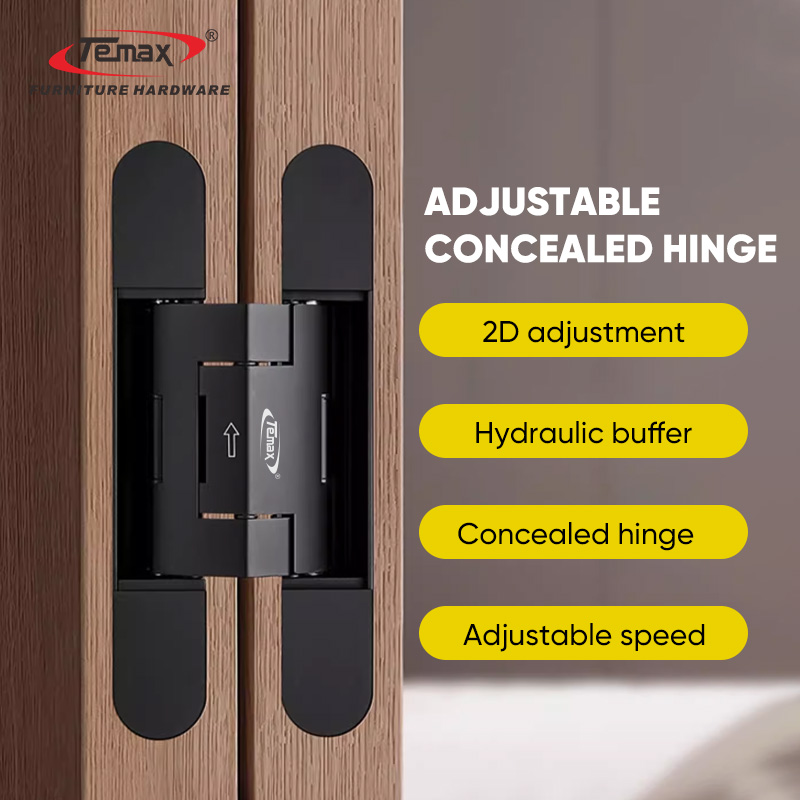
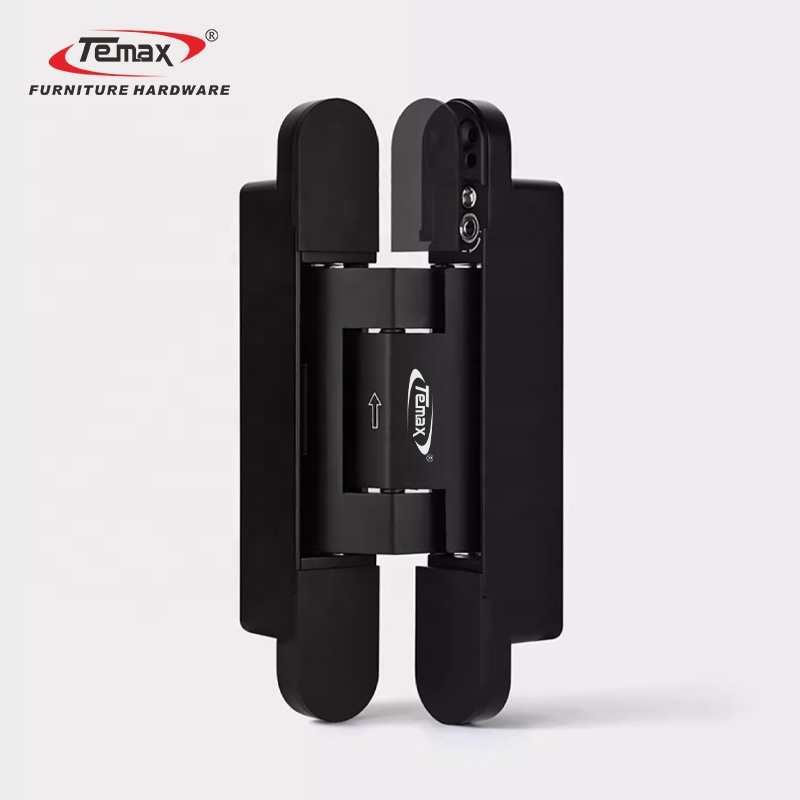
Global procurement teams are shifting away from fragmented vendors. Sourcing drawer runners, concealed 180° hinges, vertical lifts, and sliding track systems from a single ISO/TÜV-audited supplier cuts administrative overhead, mitigates shipping volatility, and harmonizes finish colorways across projects.
♻
5. Decarbonization & Circular Metallurgy
European and American regulatory bodies are scrutinizing hardware metallurgy. Importers prioritize suppliers using low-emission electric arc furnace (EAF) steel, eco-friendly trivalent chromium passivations, and lead-free zinc alloys that comply with RoHS and REACH environmental guidelines.
📊
6. ERP-Driven Traceability & Batch Consistency
With high-speed automated cabinet assembly plants, hardware tolerances must remain within sub-millimeter margins. Professional buyers mandate automated stamping consistency, full material certs (MTRs), and serialized batch tracking to prevent costly robotic assembly line jams.
Enterprise Credentials
Why Tier-1 Importers Partner with Shanghai Huzo Hardware Co., Ltd.
Founded in 2008, Shanghai Huzo Hardware Co., Ltd. has evolved into an authoritative export manufacturing partner for global kitchen furniture brands, architectural distributors, and OEM hardware enterprises. Operating under rigorous QA frameworks and holding verified onsite validation by TÜV Rheinland, Huzo delivers continuous technical innovation across its comprehensive 3,000+ SKU hardware catalog.
✅
TÜV Rheinland Onsite Verified
Our facilities undergo rigorous onsite assessments covering raw material spectroscopy, stamping precision, salt-spray corrosion resistance, and robotic cycle testing exceeding 50,000 operating actions under certified load conditions.
🖊
End-to-End OEM/ODM Capabilities
From initial rapid 3D prototyping and custom tooling to custom zinc die-casting, laser logo engraving, and bespoke retail packaging, our engineering division supports comprehensive OEM development with rapid tooling turnaround.
🚀
Streamlined Global Logistics
We manage complex trade contracts under Incoterms (FOB, CIF, EXW, DDP) supporting multi-currency settlements (USD, EUR, GBP) with integrated ERP order tracing to maintain an average 20-day production lead time on standard specifications.
Strategic Sourcing Guide
Frequently Asked Questions by Commercial Hardware Importers
Direct technical guidance covering dynamic loading, metallurgy, minimum order volumes, and international export certifications.
Q
What is the technical difference between dynamic load capacity and static load rating?
Static load refers to the maximum stationary weight a drawer system can support without catastrophic mechanical failure or permanent rail deformation. Dynamic load rating defines the active load the runner can support while cycling smoothly through complete opening and closing cycles over 50,000 to 100,000 repetitions. Huzo tests and rates all kitchen drawer systems according to dynamic load standards (e.g., DIN EN 15338 Level 3).
Q
How do you guarantee corrosion resistance for kitchen hardware in tropical or coastal climates?
Our drawer slides and cabinet mechanisms undergo rigorous multi-stage chemical passivation. Slides feature electro-galvanized zinc plating (minimum 8-12 microns) backed by organic polymer topcoats, passing 48 to 96 hours of neutral salt spray (NSS) testing according to ASTM B117 / ISO 9227 without white or red rust. Stainless steel components (SUS304) are available for luxury outdoor or coastal kitchen applications.
Q
What Minimum Order Quantities (MOQ) apply across different furniture hardware tiers?
To support both emerging design houses and international volume distributors, our MOQs are tiered: specialized sliding door and concealed rotating mechanisms start from 6 to 72 sets; undermount runners and slim metal box drawers typically start at 200 to 500 sets; high-volume concealed hydraulic hinges run from 1,000 to 10,000 units. Consolidated multi-SKU container loading is fully supported.
Q
Can Huzo replicate or customize slide mounting hole configurations for automated assembly?
Yes. We specialize in custom punch-pattern engineering for large furniture manufacturers utilizing automated 32mm system line-boring equipment. Send your technical CAD/DWG drawings, and our tooling division will coordinate slide raceway perforations to fit your proprietary CNC production lines perfectly.
Q
What quality verification documents accompany commercial shipments?
Every export batch is released with a comprehensive Quality Inspection Certificate covering dimensional tolerances, hardness testing (HRC), coating thickness verification, and fluid damper force profiles. Third-party testing reports from SGS, Bureau Veritas (BV), or TÜV Rheinland can be scheduled and appended to your shipping documentation.
Q
What is the typical production lead time, and how is shipment tracking handled?
Our standard production turnaround is approximately 20 business days from technical drawing sign-off and deposit receipt. Every project is assigned a dedicated order tracking ID within our internal ERP system, providing live production milestone reporting from stamping and coating to final packaging and container stuffing.
Accelerate Your Cabinet Hardware Supply Chain
Connect with our technical export engineering department to receive full dimensional specifications, CAD drawings, dynamic test reports, and factory-direct volume pricing.