Engineered Cabinet Motion & Concealed Push Release Systems
Engineered to integrate seamlessly with handleless joinery and heavy-duty cabinetry. These 8 precision mechanical units provide zero-gap alignment, hydraulic soft-rebound dampening, and rigorous CE-compliant kinetic actuation tested up to 100,000 cycles.
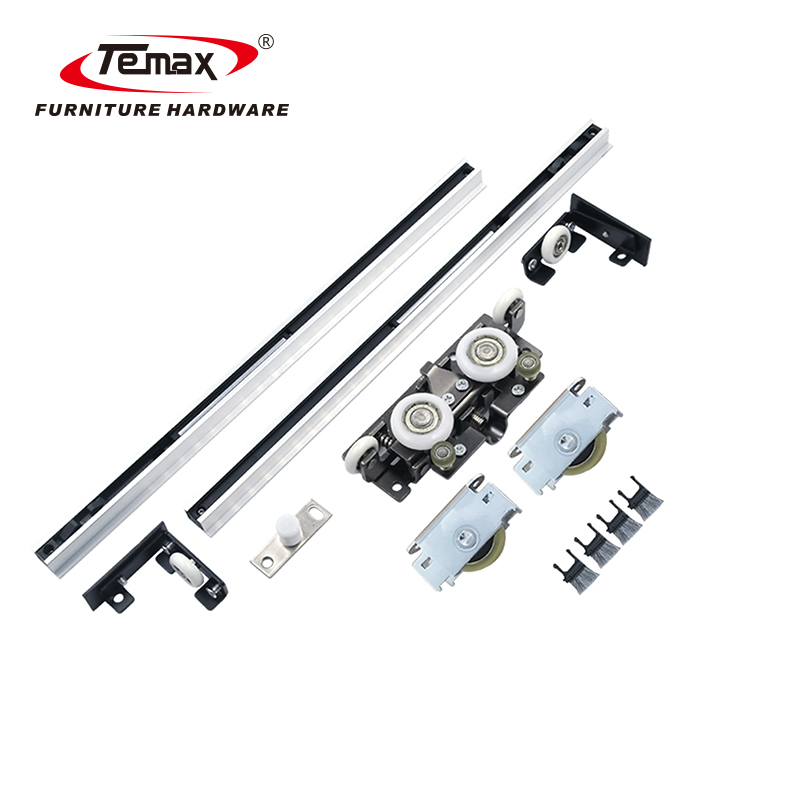
Wall Mount Soft Close Smart Ghost Sliding Door Roller
- Track GeometryFully Concealed
- Load CapacityUp to 80 kg
- Damping CoreBilateral Soft-Close
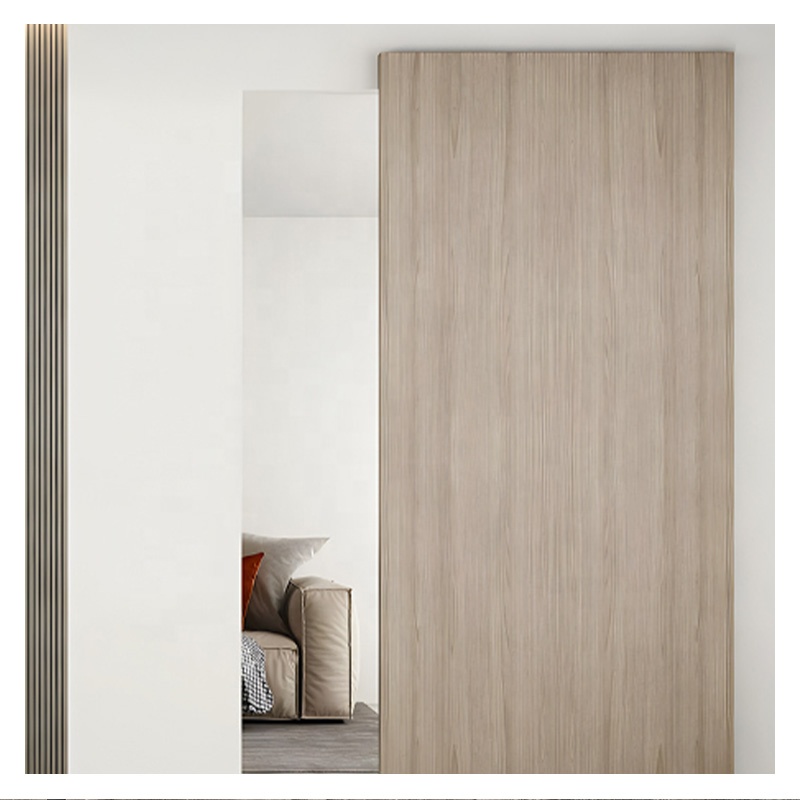
Wood Sliding Door Double Soft Close Magic Roller System
- MechanismTwin Hydraulic Buffer
- OperationAcoustic Silent <30dB
- Endurance100,000 Cycles
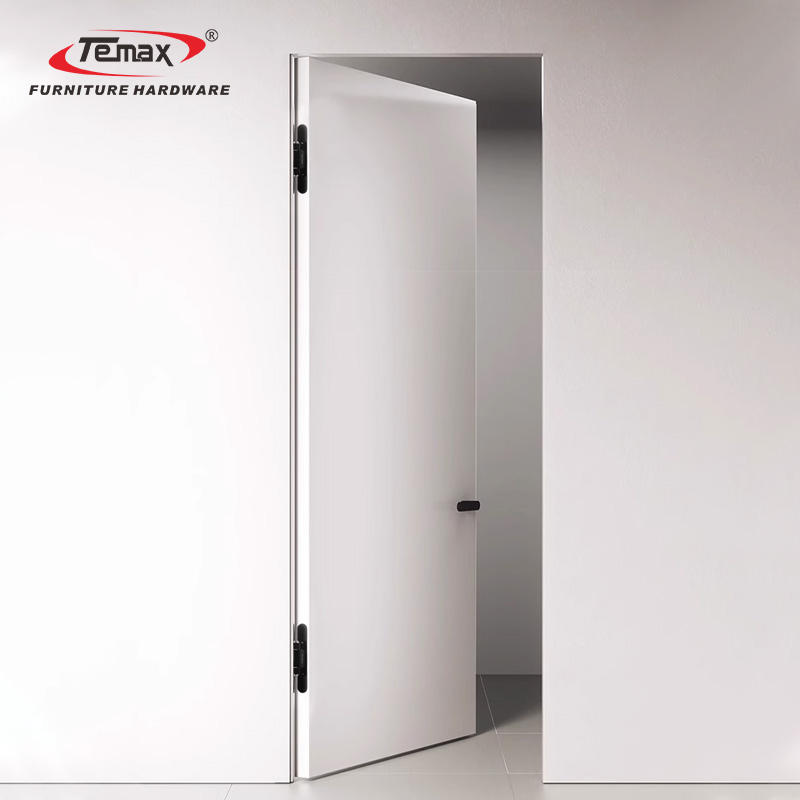
Zinc Alloy Concealed Hydraulic Buffer Hinge 180 Degree
- Core MaterialHigh-Density Zinc Alloy
- Buffer CurveContinuous Deceleration
- CE StandardEN 15570 Grade 3

2D Adjustable 180 Degree Invisible Soft Close Hinge
- Tolerance Cam±2.5mm Cam Adjust
- Mounting ProfileFlush Concealed Mortise
- Corrosion Check96h Neutral Salt Spray
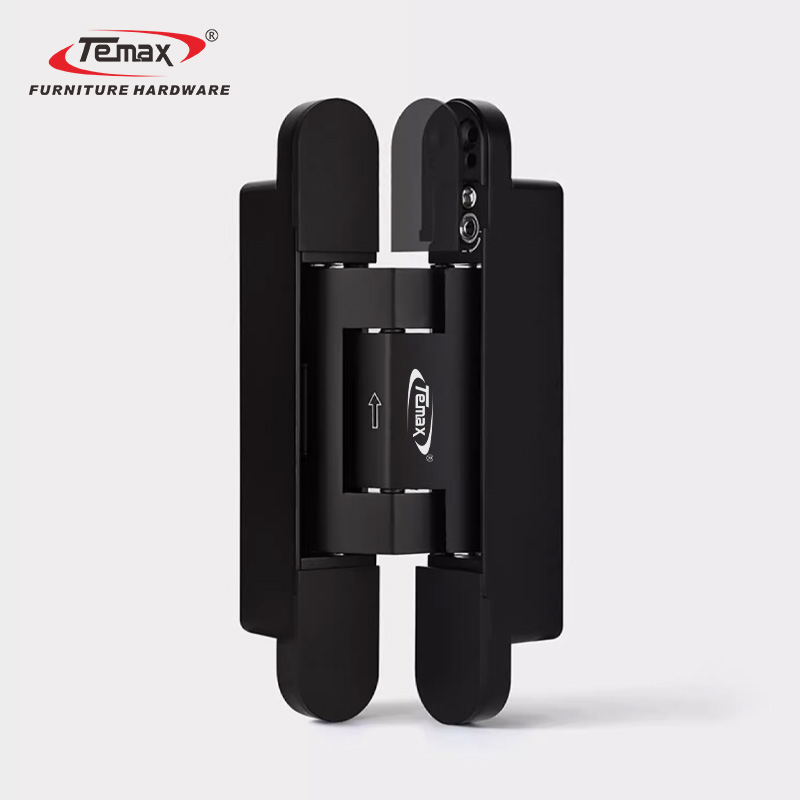
Precision 3D Hidden Interior Door Hinge 180 Degree
- Axis AdjustX, Y, Z Axis Cam Screws
- ApplicationFlush Secret Doors
- Structural ArmCold-Rolled Carbon Alloy
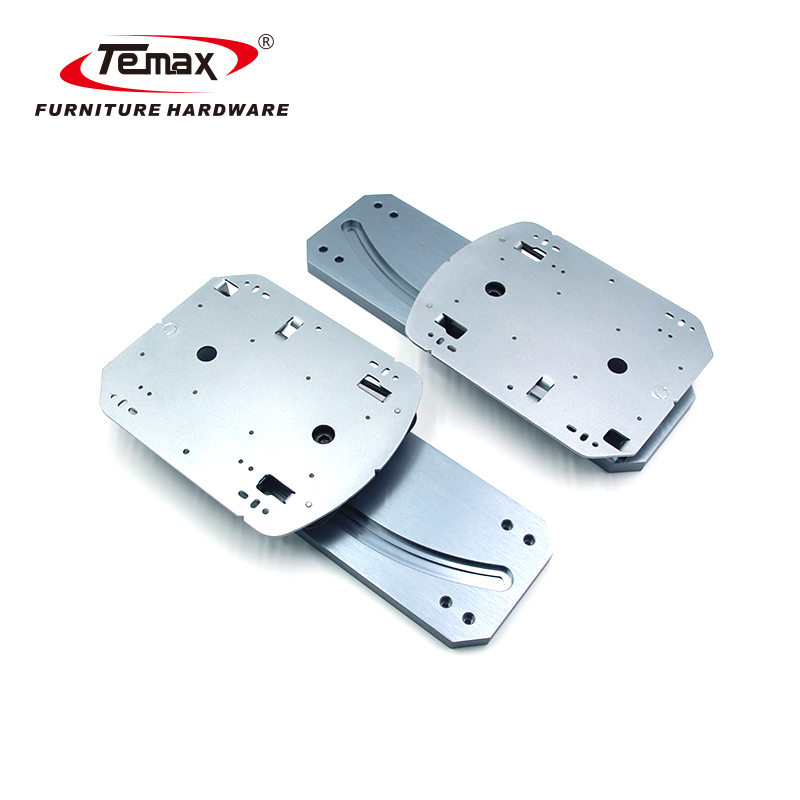
W-A311 Multifunctional 180 Degree Rotating Mechanism
- Rotation Range180° Dual Bi-Direction
- Stability HubInternal Needle Bearings
- IntegrationBlind Corner Access
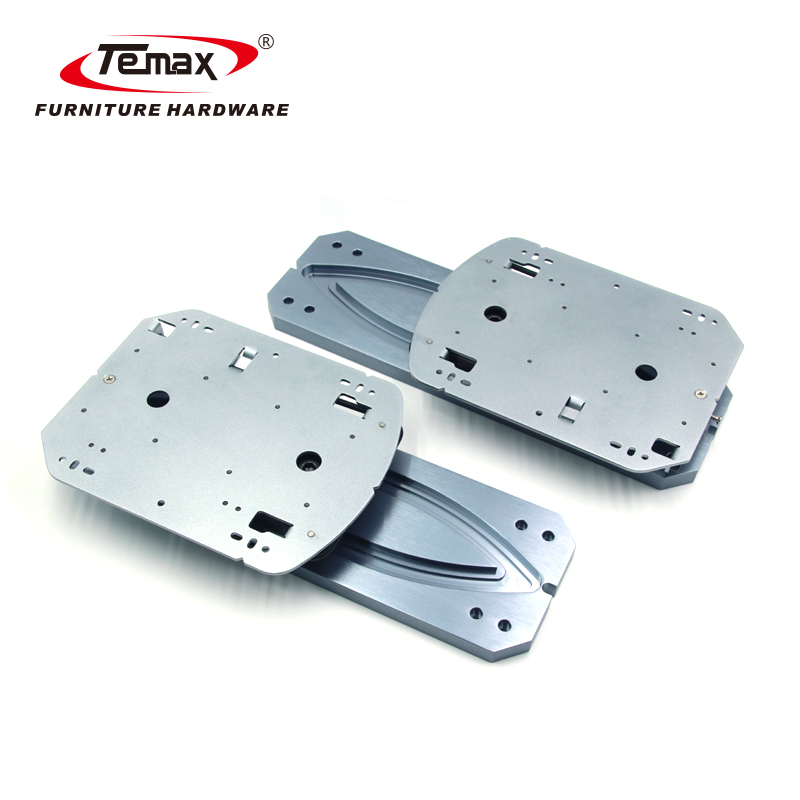
W-A311 360 Degree Rotating Wardrobe Turntable Hardware
- Bearing TypePrecision Steel Race Rings
- Center Load120 kg Dynamic Capacity
- ApplicationLuxury Walk-in Closets
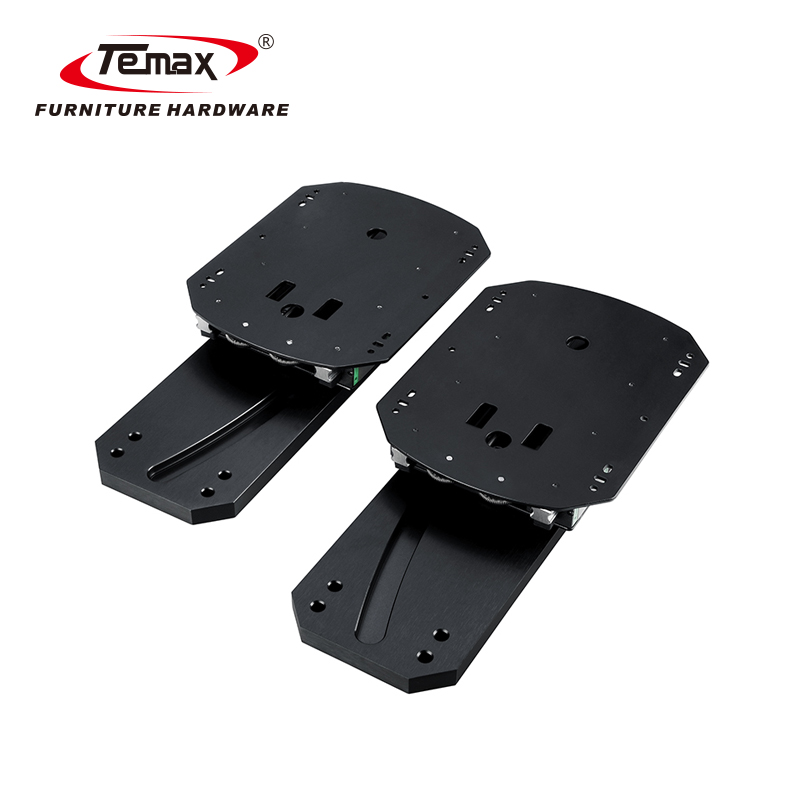
Space Saving Soft Close Rotating Cabinet Hardware
- Closing CurveIntegrated Hydraulic Damper
- Space Factor+38% Usable Corner Space
- CertificationCE Compliant Mechanical
The Kinematics of CE Certified Cabinet Push Latches in Modern Joinery
In contemporary architectural millwork and specialized joinery, the push latch (touch latch) functions not merely as an auxiliary fastener, but as a critical mechanical actuator. Eliminating exterior hardware handles demands precision engineering within the latch assembly: managing the mechanical tension curve, spring compression hysteresis, and magnetic or mechanical engagement. When designing handleless cabinetry for high-traffic environments, industrial installations, or marine projects, standard consumer-grade touch latches frequently suffer from spring fatigue, plastic body deformation, or inconsistent ejection travel.
CE-certified push latches engineered under European Standards (such as EN 15570:2008 for door and cabinet hardware strength and EN 15338:2010 for mechanical durability) must demonstrate continuous dimensional stability under varied operating temperatures and mechanical stresses. The mechanical push latch consists of four core engineering elements:
Spring Core & Elastic Hysteresis
Utilizing oil-tempered silicone-chrome or austenitic SUS302 spring steel to ensure the compression-to-release stroke maintains consistent Newton ratings across 80,000 to 100,000 cycles without kinetic decay.
Plunger Rod & Escapement
High-rigidity polyoxymethylene (POM, acetal copolymer) or die-cast zinc plunger pins with CNC-machined heart-shaped guide tracks to guarantee non-jamming push-in and push-out actuation.
Magnetic Retaining Head
Sintered Neodymium-Iron-Boron (NdFeB) grade N35 to N45 permanent magnetic inserts encased in nickel-plated steel cups, providing strong pull forces (1.5 kg to 3.5 kg) to secure flush doors against warpage.
Depth Adjustment Cam
Integrated thread or cam-driven tip adjustment providing +4.5mm to -1.5mm fine spatial regulation directly from the plunger tip, compensating for door panel curvature and thermal drift post-assembly.
Engineering Note on Hinge Compatibility: CE-certified push latches require precise kinematic pairing with cabinet hinges. While conventional cabinetry uses self-closing (sprung) hinges, push-to-open latch installations require unsprung (free-swinging) or reverse-spring (push-open assisted) concealed hinges. Pairing a standard self-closing spring hinge with a push latch results in opposing mechanical force vectors, causing premature mechanism seizure and incomplete door release.
Localized Application Scenarios Across Nampo's Commercial & Marine Sectors
Positioned along the Taedong River basin and serving as a critical maritime gateway and industrial port city, Nampo requires hardware engineering built to withstand demanding coastal conditions, industrial vibration, and high-density architectural usage.
Marine Vessel & Shipbuilding Cabinetry
Nampo's extensive port facilities, ship repair yards, and maritime operations require cabinet latches that resist constant sea-swell harmonic vibration. Traditional touch latches open unexpectedly during hull pitch and roll. In maritime galley and cabin fit-outs, heavy-duty push latches with secondary mechanical detents or higher magnetic retention (over 30N) ensure secure closure under dynamic loads.
Industrial & Factory Control Panel Enclosures
Throughout Nampo's heavy manufacturing zones, smelting facilities, and logistics terminals, electrical cabinets and automation enclosures require dust-resistant and vibration-proof touch latches. Push latches equipped with closed POM housings and silicone O-ring seals prevent fine airborne particulates from fouling the internal escapement track, eliminating downtime.
Modern Architectural Residential & Commercial Millwork
Contemporary urban developments and regional administrative spaces in Nampo increasingly specify minimalist, handleless interiors. Clean wall paneling, integrated flush wardrobes, and handleless kitchens demand touch latches that operate reliably with heavy MDF and solid wood door panels, delivering smooth actuation under varied daily operating frequencies.
Engineering Specification Matrix: Push Latches & Concealed Hardware
Tested under DIN EN 15570:2008 & ISO 9227 Standards for Professional Procurement| Model Series | Mechanism Type | Ejection Stroke | Holding Force | Salt Spray Rating | CE Benchmark | Recommended Door Height |
|---|---|---|---|---|---|---|
| TEMAX-PM16S | Steel Case Magnetic Push Latch | 38 mm ± 1mm | 22 N (Magnetic) | 96 Hours NSS | EN 15570 Level 3 | Under 1,800 mm |
| TEMAX-PM24 | Long-Stroke Hydraulic Push Opener | 52 mm ± 1mm | 35 N (Heavy Duty) | 120 Hours NSS | EN 15570 Level 3 | 1,800 mm – 2,700 mm |
| TEMAX-ZAC180 | Concealed Hydraulic 180° Buffer | Full 180° Swing | Hydraulic Brake | 96 Hours NSS | EN 15570 Level 2 | All Standard Profiles |
| TEMAX-GSM01 | Ghost Wall Mount Concealed Slider | Continuous Travel | Bilateral End Damp | 120 Hours NSS | EN 1527:2019 | Up to 2,400 mm Width |
| TEMAX-W360T | Precision Rotate Wardrobe Turntable | 360° Continuous | 120 kg Load | 96 Hours NSS | ISO 7170:2021 | Full-Height Wardrobes |
Localized Procurement Trends: Hardware Evolution in the Nampo Coastal Basin
The hardware procurement landscape across Nampo and the wider western coast of Korea is experiencing a distinct technological upgrade. Traditional hardware purchasing was previously centered on surface-mounted iron knobs, exterior zinc pull handles, and basic friction catches. However, infrastructure modernization, modular architectural manufacturing, and commercial vessel construction have altered hardware specifications along three primary vectors:
1. Transition to Handleless Aesthetics
Architectural interior projects are prioritizing clean geometric lines without visible projections. Push latches combined with concealed, 3D-adjustable hinges allow joinery facades to appear as continuous, uninterrupted surfaces—essential for high-end residential interiors, corporate office storage, and hospitality spaces.
2. Marine-Grade Salinity Resistance
Nampo's coastal marine climate accelerates atmospheric oxidation. Procurement specifications have shifted from standard electro-galvanized components to latches featuring stainless steel (SUS304) internal springs, nickel-plated zinc housings, and anti-corrosive passivated magnetic caps certified to withstand over 96 hours of neutral salt spray testing.
3. Hybrid Soft-Closing Push Systems
Traditional push latches forcefully eject doors, risking rebound vibration and loud mechanical clicks. The emerging trend in Nampo focuses on hybrid motion: push-to-open actuation combined with soft-closing hydraulic deceleration, ensuring quiet closing and controlled tactile opening in a unified installation.
Factory Strengths: Shanghai Huzo & Temax Hardware Manufacturing
Supplying international hardware distributors and industrial contractors since 2008. Onsite-verified by TÜV Rheinland, backed by comprehensive ERP supply tracking, and validated through extensive third-party testing.
TÜV Rheinland Onsite Verified
Factory facilities, assembly lines, and QA procedures are assessed onsite by TÜV Rheinland, ensuring full compliance with raw material verification and production consistency standards.
3,000+ Hardware SKUs
Consolidate your hardware supply chain across concealed hinges, undermount slides, sliding rollers, push latches, and rotating mechanisms—shipped in mixed containers under unified QC.
Standard ~20-Day Lead Time
Automated progressive stamping dies, high-speed plastic injection molders, and real-time ERP material tracking deliver reliable ~20-day production turnarounds for standard export orders.
OEM / ODM Tooling Capability
In-house tooling and precision mold design allow customized throw strokes, custom branding, personalized packaging, and bespoke spring forces tailored to project-specific engineering drawings.
Multi-Tier Quality Control Architecture
Every push latch batch and mechanical hardware unit manufactured for the Nampo export corridor passes through four standardized inspection gates before warehouse release:
- Raw Material Spectrometry & Hardness Testing: Verification of carbon content in spring steel, zinc alloy purity (ZnAl4-1 standard), and virgin POM resin molecular density to prevent brittle fracture under low-temperature coastal winter conditions.
- Dynamic Automated Stamping & Dimension Inspection: In-line digital calipers and optical comparators monitor internal guide escapement channels with tolerances maintained within ±0.05 mm.
- Kinematic Endurance & Salt-Spray Validation: Automated pneumatic test benches actuate latch plungers continuously up to 100,000 cycles under load. Batch samples are tested in 5% NaCl neutral salt spray chambers (ISO 9227) for 96 to 120 hours without red rust or blister formation.
- Individual Functional Audit & Traceable ERP Packing: Every carton receives an inspector stamp, batch barcode, and ERP lot release tracking to guarantee full supply chain traceability from raw coil to port delivery.
Frequently Asked Questions for Hardware Procurement in Nampo
Key technical, commercial, and logistical clarifications for project managers, structural joinery engineers, and procurement directors sourcing cabinet push latches and mechanical hardware.
Q: Which European standards govern the CE certification for cabinet push latches?
Cabinet push latches and mechanical opening devices fall under EN 15570:2008 (Hardware for furniture - Strength and durability of hinges and their components) and EN 15338:2010 for mechanical slide systems. While push latches are mechanical fittings rather than electrical appliances, CE conformity verifies that the materials meet EU safety, chemical non-toxicity (REACH / RoHS compliant), structural fatigue resistance, and fire-retardant requirements where specified.
Q: How do we calculate the necessary ejection stroke (throw length) for handleless cabinet doors?
The required stroke depends on door overlay geometry, panel thickness, and whether the door is inset or full overlay. For standard inset doors, a short stroke of 20mm to 25mm provides sufficient clearance for fingertips. For large overlay doors, thick wardrobe panels (22mm–25mm MDF), or doors utilizing reverse-spring hinges, an extended throw of 38mm to 52mm (such as our TEMAX-PM24 series) is necessary to clear the cabinet face frame reliably.
Q: Can push latches be paired with standard soft-closing hydraulic hinges?
No. Standard soft-closing hinges contain integrated hydraulic dampers designed to resist rapid door opening, which counteracts the ejection kinetic energy of the push latch. For push-to-open operation, specify either unsprung (free-swinging) concealed hinges or dedicated reverse-spring concealed hinges that actively assist the outward swing once the push latch escapement is triggered.
Q: How does Nampo's coastal marine climate affect latch spring tension and casing materials?
Coastal air contains airborne salt particulates and moisture that quickly corrode low-grade carbon steel springs, causing latch seizure. For projects in Nampo and adjacent port corridors, we recommend latches featuring passivated SUS304 internal springs, polyoxymethylene (POM) bodies, and zinc-alloy mounting plates that withstand at least 96 hours of neutral salt spray (NSS) testing per ISO 9227 standards.
Q: What is the Minimum Order Quantity (MOQ) and production lead time for customized hardware?
For standard catalog push latches and concealed hinges, our baseline MOQ ranges from 1,000 to 3,500 pieces, while specialized heavy-duty systems (like sliding rollers and rotating corner hardware) start from 6 to 100 sets. Custom tooling, special color finishes (anthracite, titanium gold, matte black), or custom stroke lengths require an initial batch run of 5,000 pieces. Standard lead time is approximately 20 days via our ERP-tracked production lines.
Q: Which shipping terms (Incoterms) and payment methods are supported for Nampo and regional trade?
We support full commercial delivery protocols including FOB, CFR, CIF, EXW, FCA, CPT, and CIP. Consolidated container shipments can be staged through major regional container terminals. Payment terms include T/T (Telegraphic Transfer), irrevocable L/C (Letter of Credit) at sight, and other recognized commercial trade settlement mechanisms in USD, EUR, and CNY.
Procure CE Certified Push Latches & Furniture Hardware for Your Next Project
Collaborate directly with an onsite-verified manufacturer. Request our comprehensive technical specifications, CAD drawing packages, 3D BIM models, and physical test samples for your architectural joinery or marine cabinetry projects.