High-Performance Hinges & Motion Systems for Osaka Millwork
Engineered to satisfy exacting Japanese tolerance benchmarks, our product lines deliver smooth kinematic damping, JIS-compatible cycle endurance, and seamless concealed aesthetics.
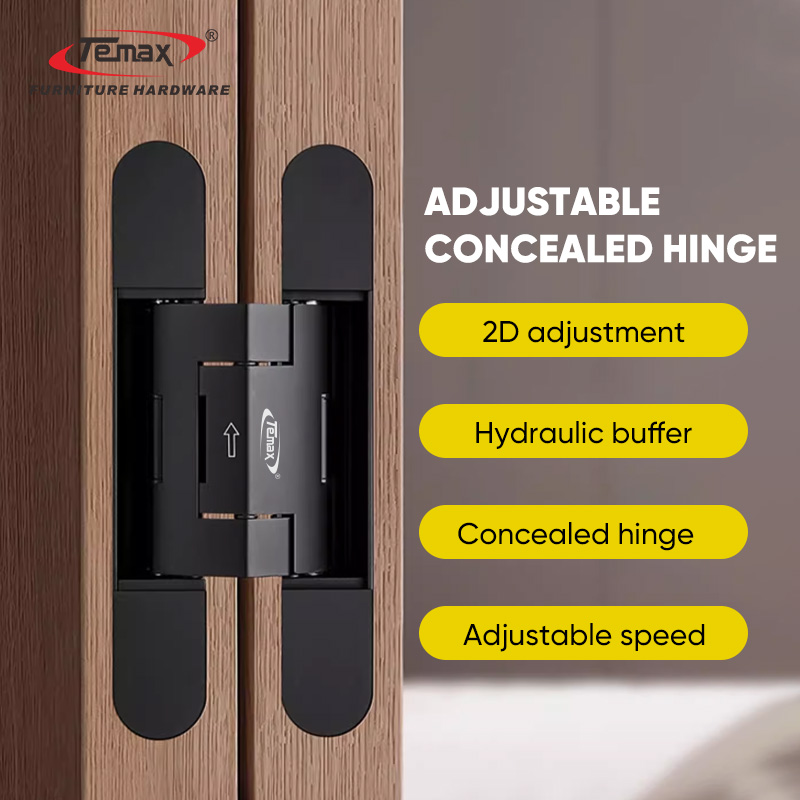
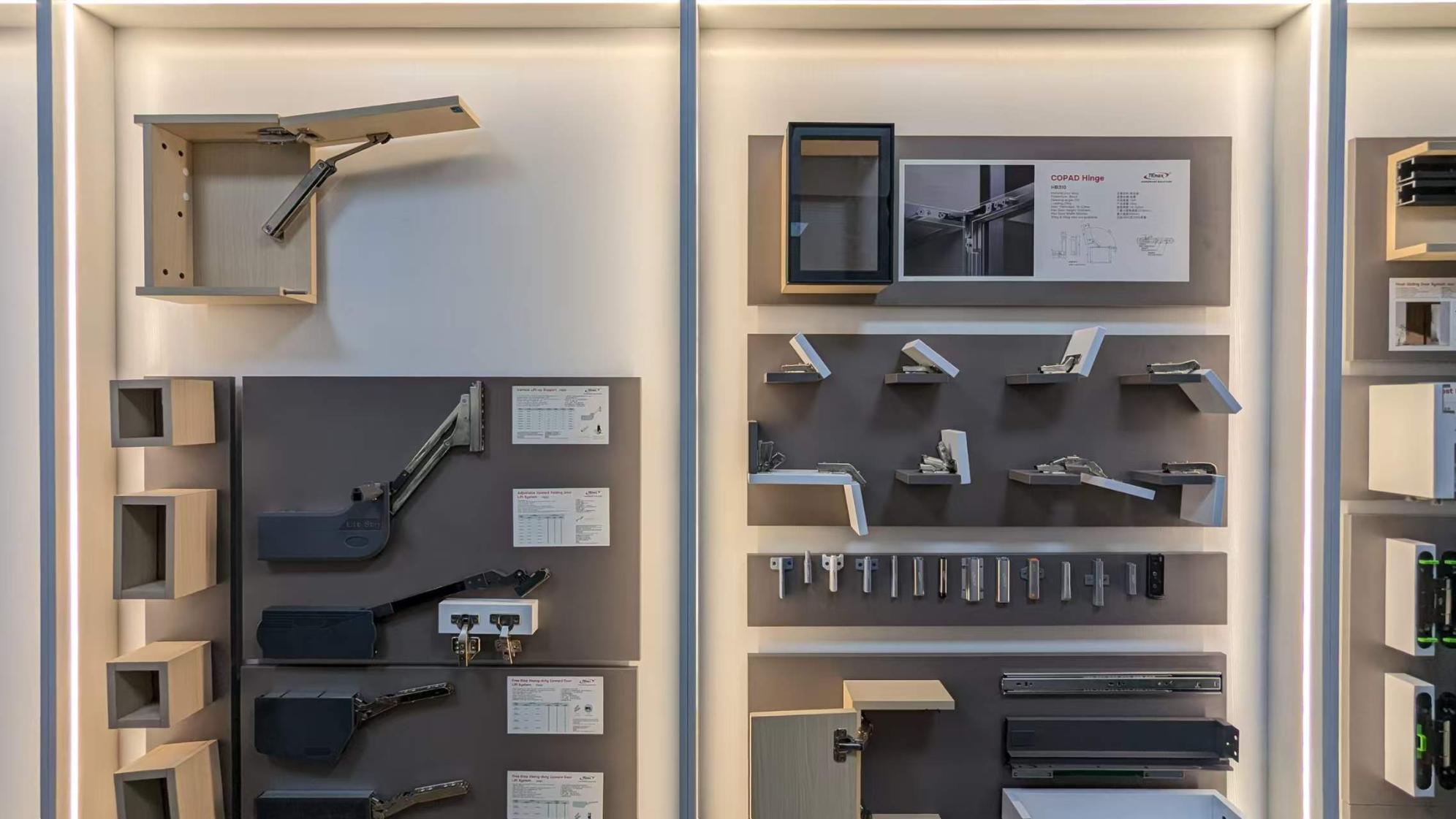
Temax HBG005 3D Adjustable Soft Close Concealed Cabinet Hinge
- Adjustment: Full 3D Precision (±2.5mm)
- Mechanism: Integrated Hydraulic Buffer
- Target Door: Bedroom & Architectural Doors
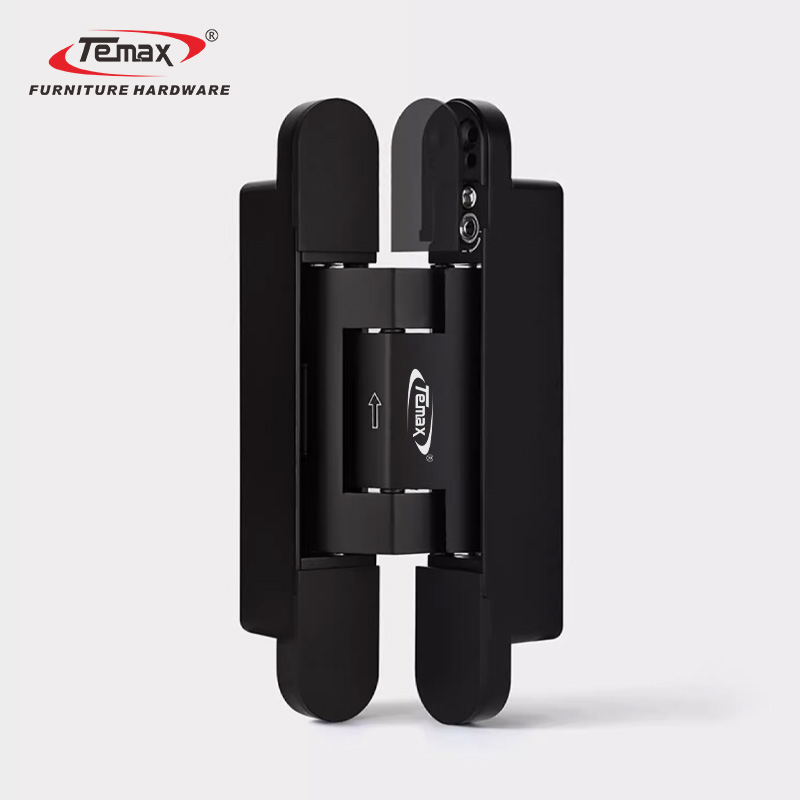
Temax 3D Concealed 180° Interior Hidden Door Hinge System
- Opening Angle: Full 180-Degree Pivot
- Core Metal: High-Strength Zinc Alloy Body
- Application: Flush Room Doors & Partitions
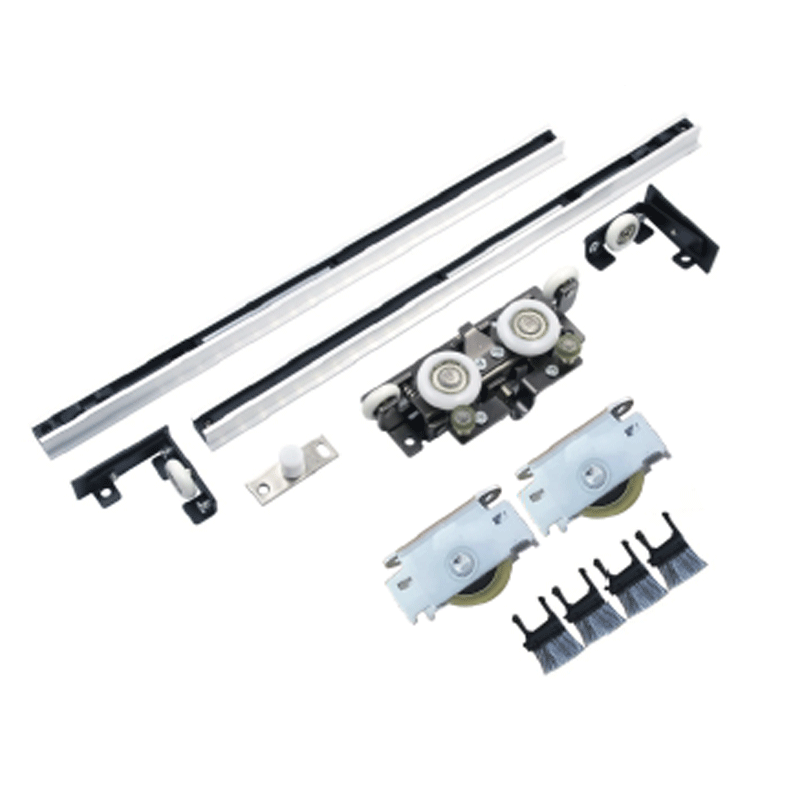
TEMAX M973 60kg Soft Close Trackless Magic Sliding System
- Load Rating: 60 kg Certified Capacity
- Structure: Floor-Trackless Wall Mount
- Closing Motion: Bi-Directional Soft Braking

Temax 3D Adjustable Zinc Alloy Hydraulic Hidden Wooden Hinge
- Hydraulics: Dual-Piston Self-Closing
- Material: Die-Cast Heavy Zinc Matrix
- Finish: Matte Dark Grey / Satin Nickel
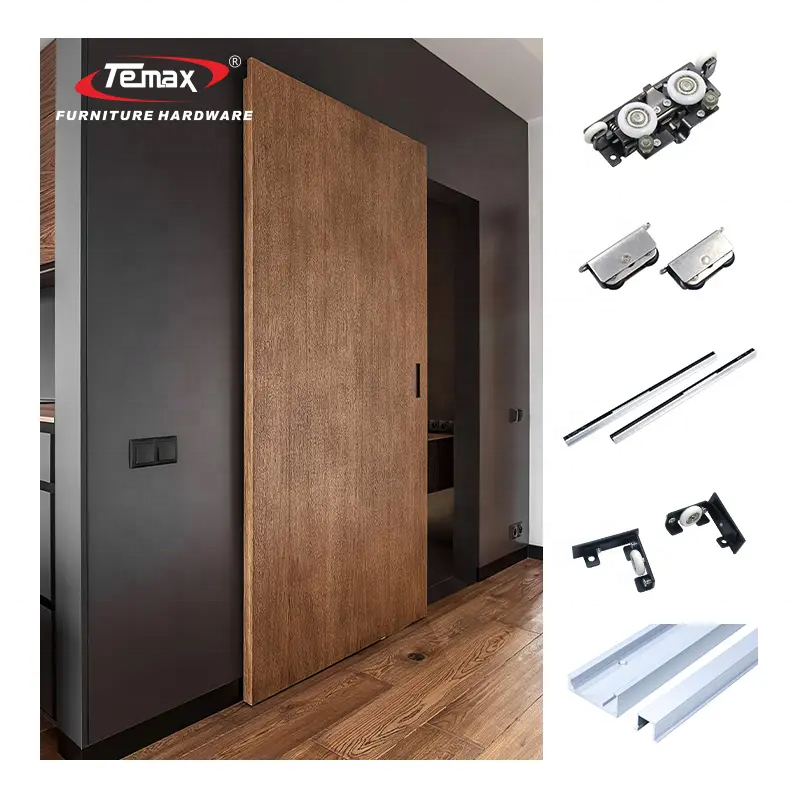
TEMAX Invisible Frameless Ghost Concealed Sliding Door Gear
- Aesthetics: Completely Hidden Runners
- Rollers: Self-Lubricating POM Wheels
- Suitability: Modern Osaka Loft Partitions

Temax 180° / 360° Rotational Cabinet Body Swivel Mechanism
- Pivot Index: Multi-Stop 180° / 360° Swivel
- Load Dynamic: High Stability Central Axis
- Application: Corner Cabinets & Display Units
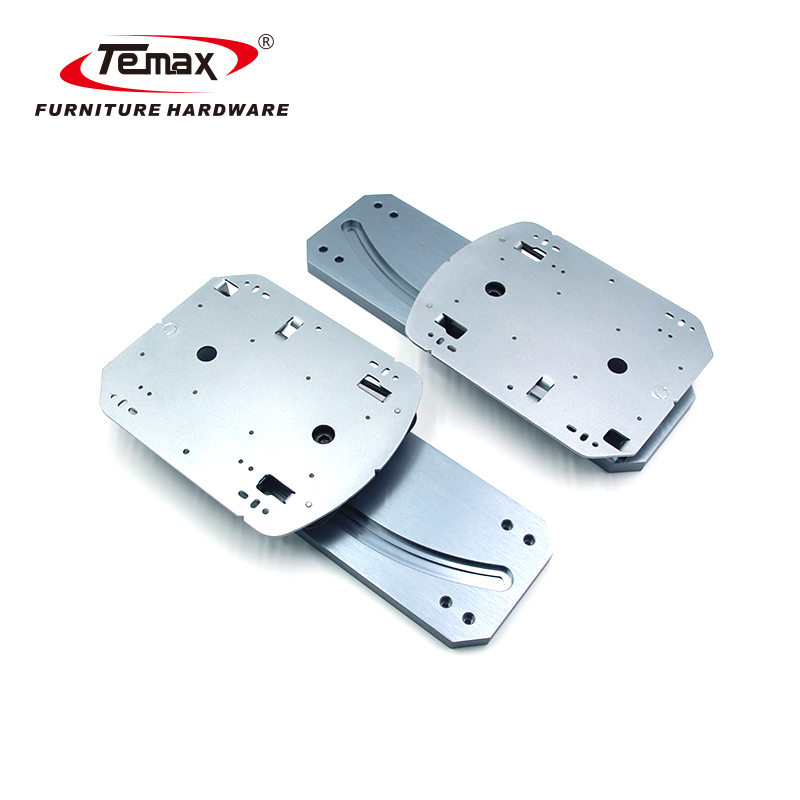
TEMAX W-A311 180° Multi-Functional Swivel Mechanism
- Geometry: Ergonomic Space Extractor
- Bearings: Heavy-Duty Precision Steel Ball
- Deployment: Kitchen Island & Study Cabinetry
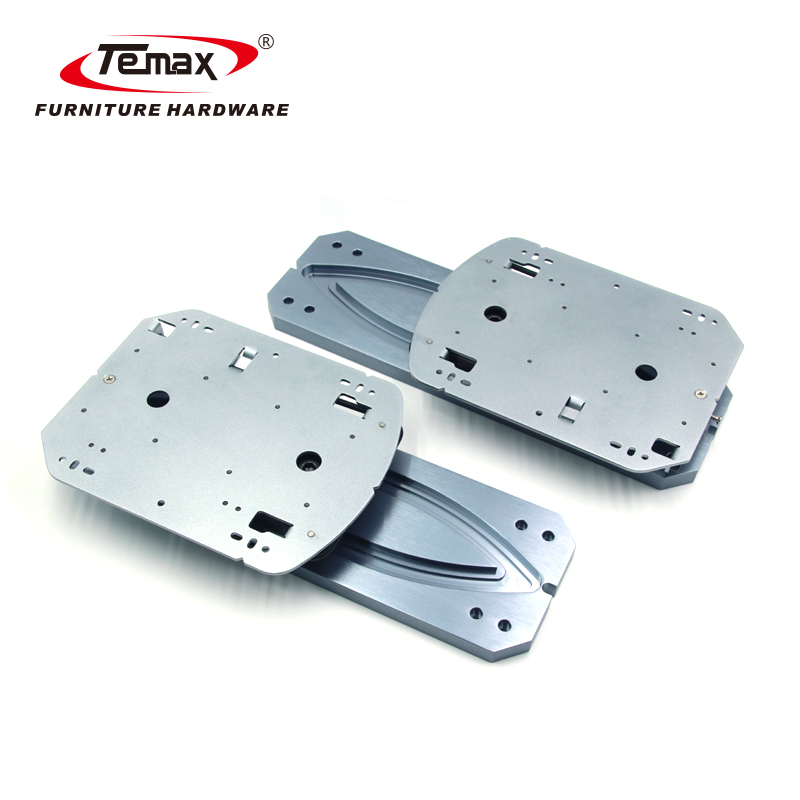
Temax W-A311 360° Rotating Wardrobe Turntable Hardware
- Axis: Heavy-Load Vertical Column Mount
- Function: 360-Degree Continuous Access
- Space Saving: Ideal for Compact Osaka Mansions
Navigating the Osaka Cabinetry & Architectural Hardware Ecosystem
The Kansai metropolitan basin—anchored by Osaka's vibrant commercial development, Kyoto's luxury boutique heritage, and Kobe's modern residential developments—represents one of the most demanding markets in Asia for high-precision architectural and furniture hardware. Local manufacturers, joinery contractors, and interior general contractors (Genba Kantoku) face a unique intersection of spatial constraints, stringent structural codes, and elevated aesthetic expectations. In urban centers like Kita-ku (Umeda), Namba, and Osaka Bay waterfront redevelopments, high-density condominium layouts demand furniture mechanisms that maximize volumetric efficiency without generating acoustic disturbances or mechanical fatigue.
As premier Chinese manufacturing partners, Shanghai Huzo Hardware Co., Ltd. and the Temax brand have engineered specific hardware iterations to answer Osaka’s direct procurement criteria. In the historical Japanese system-furniture landscape, standard European-spec fittings often present sizing incompatibilities or insufficient corrosion resistance against the Kansai summer maritime humidity. By implementing precision stamping, cold-rolled steel SPCC substrates, advanced electrolytic copper-nickel base plating, and custom damper fluid viscosities rated for thermal shifts between 5°C and 40°C, our product lines deliver the reliable kinetic precision that Japanese cabinet factories require.
B2B importers across Osaka require more than catalog specifications: they demand verified traceability, zero-defect statistical process control (SPC), and rapid logistical dispatch via direct maritime loops from Shanghai/Ningbo to Osaka and Kobe ports. The following technical white paper outlines our manufacturing frameworks, localized application dynamics, seismic integration requirements, and strategic advantages for Kansai trade buyers.
Localized Application Scenarios Across the Osaka Architectural Matrix
From micro-living urban towers to boutique hospitality environments, our concealed hinges and kinetic hardware solve spatial and operational challenges specific to Western Japan.
High-Density Osaka Mansions
Compact 1LDK and 2LDK apartments in Osaka require multi-functional space utilization. Our 3D adjustable soft-close concealed hinges and 360° rotating wardrobe systems eliminate door swing interferences, allowing seamless flush installation against adjacent millwork.
Zero-Clearance KinematicsMachiya & Ryokan Modernization
Traditional Kansai wooden architecture relies heavily on hidden, minimalist fittings. Our 180° invisible zinc alloy door hinges conceal hardware mechanisms inside natural Hinoki and Sugi timbers, preserving heritage wood lines while introducing hydraulic closing control.
Aesthetic InvisibilityCommercial Fitouts in Umeda & Chuo
Corporate executive suites, high-end clinics, and commercial retail showcases across central Osaka utilize our M973 trackless magic sliding door systems to eliminate bottom floor tracks, guaranteeing barrier-free movement and pristine stone flooring.
Barrier-Free AccessibilityCustom Kitchen Millwork
Osaka’s bespoke kitchen fabricators integrate our clip-on hydraulic damping hinges to ensure silent, soft deceleration. Precision 3D cam adjustments allow cabinet installers to achieve tight, uniform 1.5mm reveal margins across floor-to-ceiling cabinet facades.
Acoustic Damping PrecisionMacro Trends Shaping Cabinet Hardware Procurement in Western Japan
Analyzing the evolution of Japanese interior construction standards from 2025 to 2030, highlighting technical demands that define successful hardware supply contracts.
Seismic-Conscious Inertial Resistance
Following historical seismic realities in the Kansai basin, Japanese architects increasingly require cabinet hardware to integrate rebound prevention. Our hydraulic hinge assemblies feature reinforced spring linkages and stable damper chambers that prevent cabinet doors from swinging open violently during low-frequency tremors, reducing projectile risks from overhead storage units.
Frameless & Hidden Hardware Minimalism
Modern Japanese interior design continues to shift toward "invisible" mechanics. Exposed knuckle hinges or surface tracks are being replaced by concealed hinges, ghost sliders, and recessed pivot turntables. Our Temax series enables millwork fabricators to maintain continuous wood grain and smooth plaster facades without breaking visual planes.
Universal Design & Decelerated Kinematics
With Japan leading global super-aging demographics, hardware must operate with minimal physical effort while eliminating finger-pinch hazards. Our two-stage force curves allow effortless initial opening resistance followed by gentle, decelerated hydraulic latching, satisfying strict domestic universal accessibility guidelines.
Technical Specification & Quality Tolerance Matrix
A direct comparison of Huzo/Temax hinge specifications aligned with Japanese Industrial Standards (JIS) compared against conventional export hardware.
| Performance Parameter | Huzo / Temax Osaka Specification | Standard Export Hinge | Japanese Market Requisite |
|---|---|---|---|
| Base Substrate Metal | High-purity SPCC Cold-Rolled Steel / ZAM Zinc Matrix | Standard scrap-recycled carbon steel | Dimensional stability and zero micro-cracking |
| Hydraulic Cylinder | Solid Brass Sealed Housing, High-Viscosity Silicone Oil | Plastic casing, petroleum grease buffer | No fluid leaks across 100,000 cycles at 0°C to 45°C |
| Corrosion Resistance | Triple electroplating: Copper + Satin Nickel (48h NSS) | Flash nickel single plate (12h–24h NSS) | Resistant to coastal Kansai bay salt & summer humidity |
| 3D Alignment Mechanism | Spiral Cam adjustment: Height ±2mm, Depth ±1.5mm, Side ±2mm | Manual slotted screw friction slides | Rapid on-site installation by Japanese carpenters (Daiku) |
| Cycle Fatigue Rating | Tested to 100,000+ mechanical open/close cycles | Typically 30,000 to 50,000 cycles | JIS A 1414 cabinet durability conformity |
| Logistics Traceability | Barcode stamped on hinge arm, ERP tracking to batch lot | Unmarked bulk packaging | Complete QA audit trail for commercial millwork contractors |
Why Kansai Importers & Millwork Brands Partner with Huzo Hardware
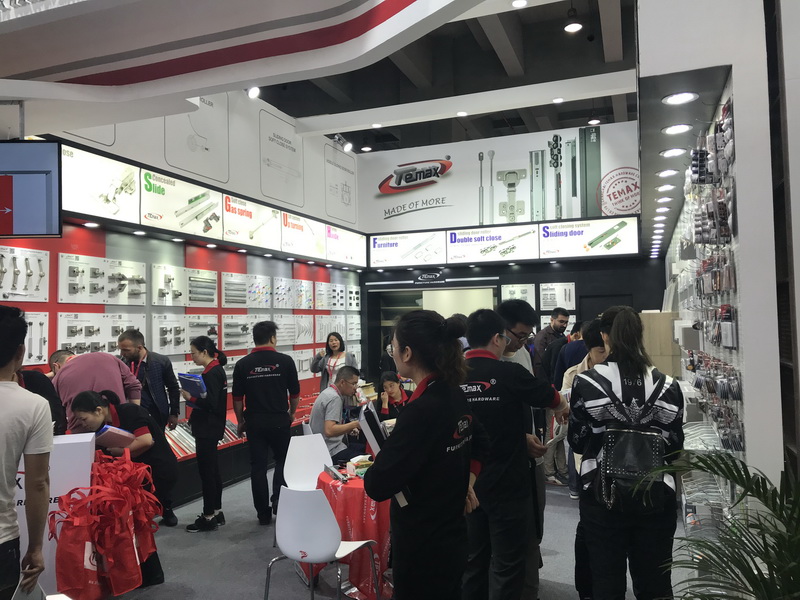
Since 2008, Shanghai Huzo Hardware Co., Ltd. has bridged precision Chinese manufacturing with international hardware procurement standards, backed by third-party onsite verifications.
TÜV Rheinland Verified
Our operations undergo thorough onsite audits by TÜV Rheinland (assessment dated 2026.01.27), confirming authentic production capabilities, strict raw material testing, and verified export metrics.
20-Day Production Cycle
Supported by high-speed progressive stamping lines and real-time ERP process monitoring, standard mass orders are finished in ~20 days, enabling predictable container shipping schedules.
3,000+ Active SKUs
Consolidate your entire hardware procurement—from 3D concealed hinges, undermount drawer slides, and gas struts to magnetic dampers and sliding door gear—into a single container shipment.
Flexible OEM / ODM Tooling
From custom cup-hole drilling patterns (e.g., 48mm vs. 52mm centers) to stamped client logos, private packaging, and specialized surface finishes, our in-house tooling engineers deliver bespoke solutions.
Direct Maritime Connectivity: Shanghai to Port of Osaka & Kobe
Logistical reliability is as critical to Japanese procurement directors as mechanical durability. For building contractors operating under tight construction milestone deadlines (Koutei Kanri), supply chain disruptions cannot be tolerated. Located strategically in Shanghai, Huzo Hardware leverages world-class deep-water port access to offer the fastest transit routes to the Kansai region. Container vessels departing Shanghai or Ningbo reach the Port of Osaka (Nanko Container Terminal) or Kobe Port within just 36 to 72 hours of ocean transit.
Our dedicated trade execution team supports complete customs and clearance preparation, handling export document harmonization, Japanese-format Commercial Invoices, Certificates of Origin (under RCEP frameworks for preferential tariff reductions), and customized pallet labeling compliant with domestic Japanese warehousing layouts. Whether our clients require FOB shipments, CIF Kansai deliveries, or full DDP logistics directly to assembly facilities in Sakai, Higashiosaka, or Kadoma, our logistics network guarantees smooth transit, robust packaging protection, and full ERP shipment transparency.
Frequently Asked Questions from Kansai Hardware Importers
Direct answers to legal, technical, compliance, and logistical inquiries commonly raised by Japanese commercial furniture and millwork buyers.
Our hinges are engineered and batch-tested in accordance with ISO 9001 quality systems and tested by accredited third-party laboratories (SGS, BV, and TÜV Rheinland) against DIN EN 15570 Level 3 and JIS A 1414 performance metrics. This testing guarantees exceeding 100,000 operational cycles under maximum door loading, zero drop deflection over prolonged usage, and verified non-toxic lubricant usage within sealed hydraulic chambers.
To prevent oxidation in coastal Osaka and Kobe waterfront environments, our steel concealed hinges receive an advanced multi-stage finish: acid cleaning, followed by a dense primary copper strike layer, an electrolytic neutral nickel plating layer, and a proprietary protective organic sealant coat. This multi-layer galvanic barrier easily achieves 48-hour neutral salt spray (NSS) test performance without red rust formation, far exceeding generic zinc coatings.
Recognizing the need for pre-production prototyping and mock-up verification in Osaka millwork projects, we provide sample verification kits delivered via DHL or FedEx within 3 to 5 business days. For volume orders, standard high-run concealed cup hinges begin at 1,000–5,000 pieces per specification, specialized sliding and invisible door hardware starts from 6 to 72 complete sets, and customized OEM stampings start from 10,000 pieces with mixed container load (FCL) flexibility.
Yes. We specialize in comprehensive OEM/ODM hardware customization. Our factory can laser-engrave or die-stamp your Japanese company trademark on hinge arms and cover caps, implement Japanese-language polybags and barcodes (JAN/EAN standards), and package products in reinforced export master cartons designed for standard Japanese pallet dimensions (1100mm × 1100mm T11 standards).
We support all standard Incoterms including FOB Shanghai/Ningbo, CIF Port of Osaka, CIF Port of Kobe, and DDP to regional distribution hubs throughout Osaka, Hyogo, and Kyoto prefectures. Commercial payments can be settled via Telegraphic Transfer (T/T), confirmed irrevocable Letters of Credit (L/C at sight), and cross-border currency clearing in JPY, USD, EUR, or CNY to eliminate foreign exchange volatility.