


Mindanao Market Industry Analysis: Technical Specifications for Davao City
As the primary financial, trading, and residential nexus of Southern Mindanao, Davao City is undergoing unprecedented urban renewal. The proliferation of high-density condominium towers around Bajada and Lanang, luxury subdivisions across Matina and Maa, and modern commercial plazas demands a structural shift from conventional hardware to precision motion platforms. In modern modular kitchen architecture and executive hospitality suites, the double wall drawer box system (commonly engineered as slim-box or tandem metal drawer boxes) has superseded antiquated single-wall epoxy runners and traditional timber drawer enclosures.
For master joinery shops, bespoke interior millwork specialists, and real estate developers across Region XI, procuring directly from specialized manufacturing facilities solves critical operational roadblocks: hardware sagging under heavy loads, hydraulic fluid leakage caused by thermal stress, and galvanic surface breakdown triggered by Davao Gulf's humid coastal microclimate. Huzo Hardware provides localized supply chains with heavy-duty cold-rolled steel structures, 3D eccentric alignment ergonomics, and hermetically sealed hydraulic dampers designed for rigorous commercial use.
Coastal Galvanic Protection
Tropical humidity exceeding 85% RH in Davao demands multi-stage surface electro-deposition. Our components undergo 48 to 96-hour neutral salt-spray (NSS) protocols to counter oxidation and surface pitting.
3D Mechanical Precision
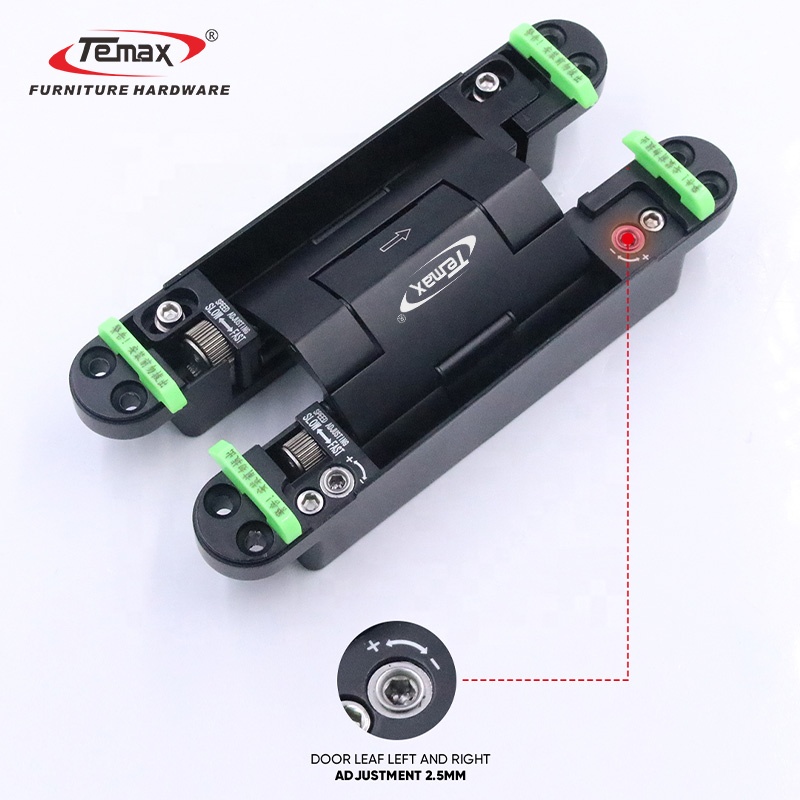
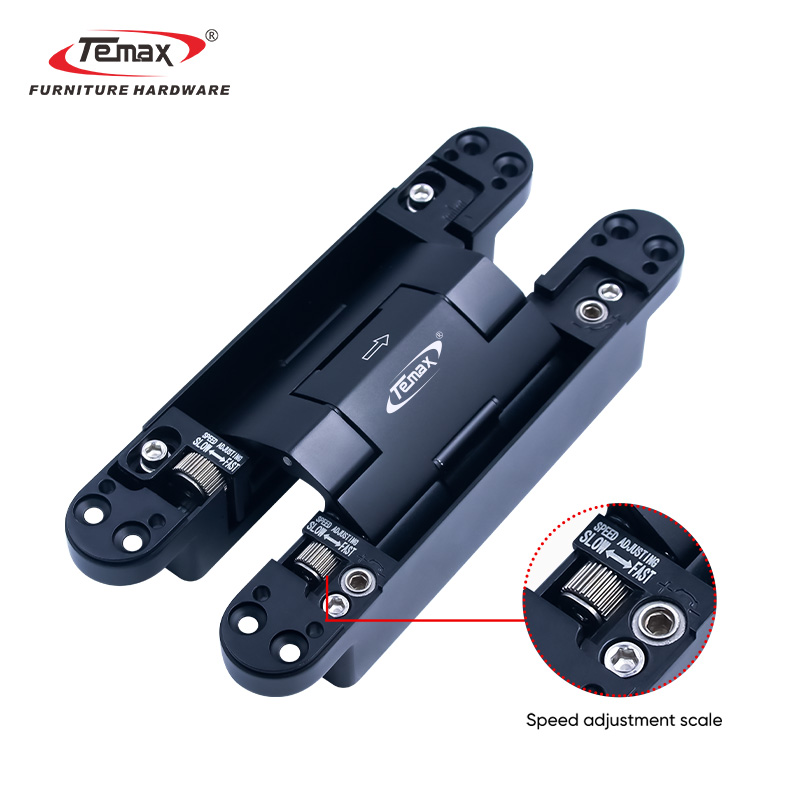
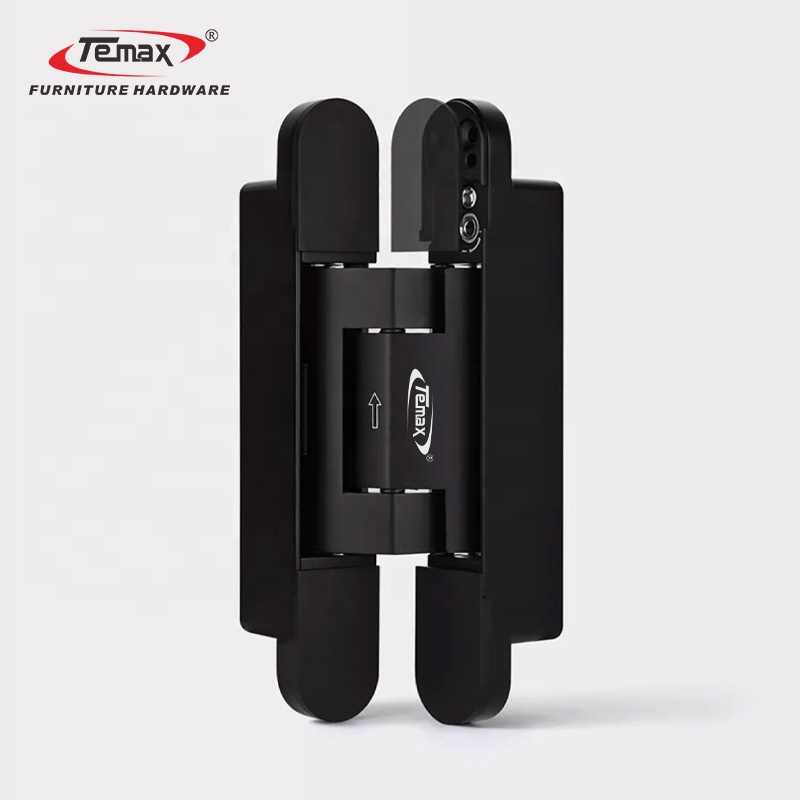
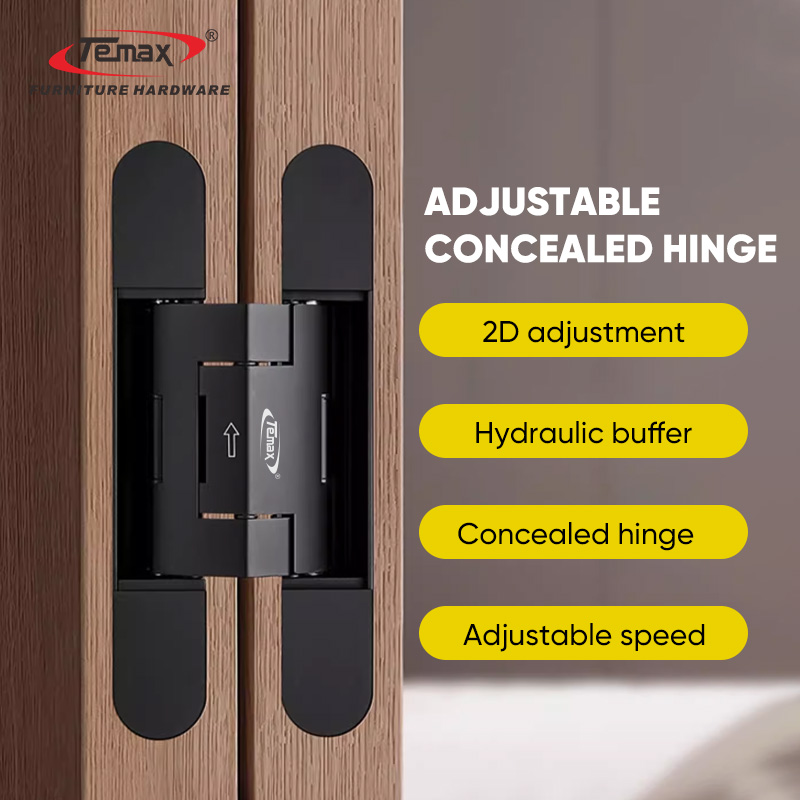
Bypassing erratic site conditions and timber warping, our double wall drawer boxes and concealed hinges feature independent mechanical adjustment screws for effortless, sub-millimeter reveal tuning.
Dynamic Cushioning
Equipped with dual-spring synchronized mechanisms and cold-weather to high-heat hydraulic fluid, systems achieve noiseless deceleration without bouncing, maintaining quiet closing motions across 50,000+ open-close cycles.
Engineering Comparison: Double Wall Metal Systems vs. Conventional Runners
| Evaluation Parameter | Huzo Slim Double Wall Metal Box | Traditional Wooden Box + Undermount | Epoxy-Coated Single Wall Slide |
|---|---|---|---|
| Dynamic Load Class | 35 kg to 45 kg (Heavy-Duty Reinforced) | 25 kg to 30 kg (Depends on Timber Spec) | 15 kg (Prone to Deflection) |
| Internal Drawer Space | Maximum Yield (13 mm Ultra-Slim Wall) | Reduced by 30-36 mm (Thick Wood Sides) | Moderate (Unenclosed Gaps) |
| Davao Coastal Corrosion Resistance | Dual-Layer Epoxy Powder / Nano Galvanized | Fasteners Vulnerable; Timber Swelling | High Risk of Flaking & Track Jamming |
| Toolless Front Removal | Instant Click-Out Cam Mechanism | Manual Screws (Fastener Fatigue Over Time) | Not Supported (Manual Disassembly) |
| Kinetic Travel Consistency | Synchronized Rack-and-Pinion Dampers | Dependent on Slide Base Quality | Free-Wheel Vibration & Noise Slams |
Strategic Procurement & Shipping Pathways to Davao Gulf Ports
Logistical predictability is central to project budgeting in Mindanao. Sourcing from our verified Shanghai production center provides multiple shipping routes directly to the Davao port network, avoiding costly transshipment delays in Metro Manila. Huzo provides end-to-end containerized export workflows (FCL / LCL consolidation) coordinated directly to Sasa Wharf or the modern Davao International Container Terminal (DICT) in Panabo:
1. Direct Sea Freight Consolidation: Standard container shipments routed via major shipping lines directly discharge at Sasa or DICT within 12 to 16 transit days, eliminating domestic freight surcharges from Luzon.
2. Bespoke Packaging for Tropical Moisture: Hardware packs are shrink-sealed with virgin anti-corrosion desiccant packs, wrapped inside rigid corrugated master cartons, and palletized with high-tension strapping to resist monsoon moisture variations during tropical transit.
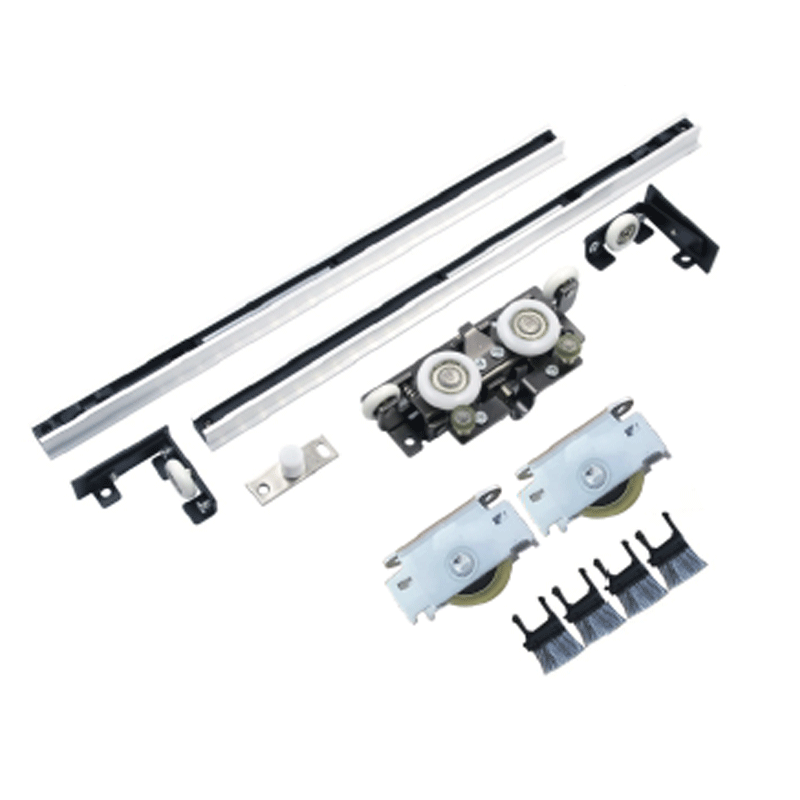
3. Complete Project-Based SKU Consolidation: Local procurement teams can combine double wall drawer box systems, 180° invisible hydraulic hinges, frameless sliding door gears, and pneumatic lift struts into a single bill of lading—minimizing documentation fees and tariff friction under the RCEP trade framework.