Precision Movement & Concealed Hardware Solutions for Kyoto
Tested under rigorous kinetic protocols to deliver frictionless motion, whisper-quiet dampening, and multi-axis spatial optimization for Japanese custom cabinetry and boutique architectural renovations.

1. The Kyoto Architectural Landscape: Precision Kinetic Hardware for Spatial Density
The municipal urban planning of Kyoto (京都市), shaped by centuries of historical preservation, dense street grids (碁盤の目), and the iconic vernacular architecture of Kyo-machiya (京町家), imposes demanding physical challenges on contemporary interior millwork and custom furniture fittings. Unlike generic global markets characterized by wide clearances, Kyoto's residential fabric requires micro-spatial efficiency. Cabinetmakers, interior joiners, and architectural hardware specifiers routinely operate within long, narrow footprints known historically as unagi no nedoko (eel's nests). In these spatial environments, traditional swing clearances encroach on essential living areas, driving strong demand for ultra-slim undermount drawer runners, trackless sliding systems, and 360-degree rotational hardware.
Modern joinery across Nakagyo, Shimogyo, and Sakyo wards combines the delicate visual restraint of natural timber with Western-standard dynamic drawer runner systems. Sourcing drawer runners for Kyoto requires more than basic dimensional compatibility; it demands deep alignment with strict Japanese aesthetic and engineering expectations. Cabinets must operate with complete silence (≤ 28 dB), zero lateral deflection (≤ 0.5 mm over a 500 mm run), and absolute visual concealment. When a concealed undermount runner is deployed beneath fragrant Hinoki (cypress) or Sugi (cedar) drawer boxes, the mechanism must remain invisible to preserve clean lines while delivering steady, hydraulic-damped deceleration.
Zero Floor-Track Preservation
Eliminating bottom tracks protects untreated cedar thresholds and delicate tatami edge-bindings (heri) from damage, ensuring architectural authenticity.
Micro-Clearance Kinetic Damping
Controlled deceleration cycles cushion structural impacts, preserving mortise-and-tenon (hozo-tsugi) cabinet joinery against stress over decades.
Concealed Spatial Efficiency
Undermount runners maximize internal storage volume within narrow custom alcoves without exposing raw metallic mechanisms.
2. Metallurgical Standards & Humidity Dynamics in the Kansai Basin
Kyoto is situated in an inland geological basin characterized by extreme seasonal climatic swings: stifling, humid summers (aburaderi) where relative humidity frequently exceeds 85%, followed by piercing winter cold. These conditions challenge conventional furniture hardware. Poorly galvanized drawer runners oxidize quickly, and temperature swings can compromise damping viscosity, causing premature slam failures or uneven resistance.
To meet the structural expectations of commercial joiners and architects in the Kansai region, our precision drawer runners and kinetic sliding systems are engineered with high-purity Q235 cold-rolled structural steel combined with multi-stage electro-galvanized anti-corrosion barrier coatings (≥ 12 μm thickness). This protective plating easily surpasses standard 48-hour neutral salt-spray (NSS) tests, achieving verified, unblemished resistance past 96 to 120 hours. Furthermore, our hydraulic dampers use high-viscosity synthetic silicone oils that maintain stable dampening from -15°C to 50°C, ensuring fluid soft-close performance throughout Kyoto's demanding seasonal shifts.
| Performance Criterion | Export Specification for Kyoto | Standard Industry Grade | Architectural Relevance |
|---|---|---|---|
| Base Substrate | High-Tensile Cold-Rolled Q235 Steel | Recycled Commercial Gauge Metal | Eliminates sag under full 45kg load extensions |
| Anti-Corrosion Plating | Multi-stage Blue-White Zinc (≥12 μm) | Single-dip Flash Zinc (<5 μm) | Withstands high Kansai summer relative humidity |
| Fluid Damping Media | Thermally Stable Synthetic Silicone Compound | Standard Petroleum Lubricant | Consistent closing speed across seasonal swings |
| Dynamic Cycle Endurance | ≥ 80,000 to 100,000 Verified Cycles (JIS S 1211) | 30,000 to 50,000 Cycles | 30+ year lifespan in high-traffic hotels & homes |
| Tolerance Alignment | 3D Micro-Adjustment (Lateral ±1.5mm, Depth ±2mm) | 1D Vertical Adjustment Only | Enables flush face alignment for handleless millwork |
3. Kyoto Market Trends: The Intersection of Heritage and Innovation
In recent years, the Kyoto furniture market has evolved rapidly, driven by two primary architectural forces: the conversion of historic residential stock into luxury machiya ryokans and boutique hospitality suites, and the adoption of sleek, handleless Scandinavian-Japanese ("Japandi") minimalist millwork in new residential builds across Fushimi and Ukyo.
A. The Rise of Push-to-Open Undermount Integration: In minimalist residences, protruding handles and pulls disrupt architectural flow. Joiners increasingly specify push-to-open synchronized undermount slides. Our synchronized mechanical releases deliver dependable opening actuation across wide fronts (up to 1,200 mm) with a simple touch, preventing drawer rack even when pressed off-center.
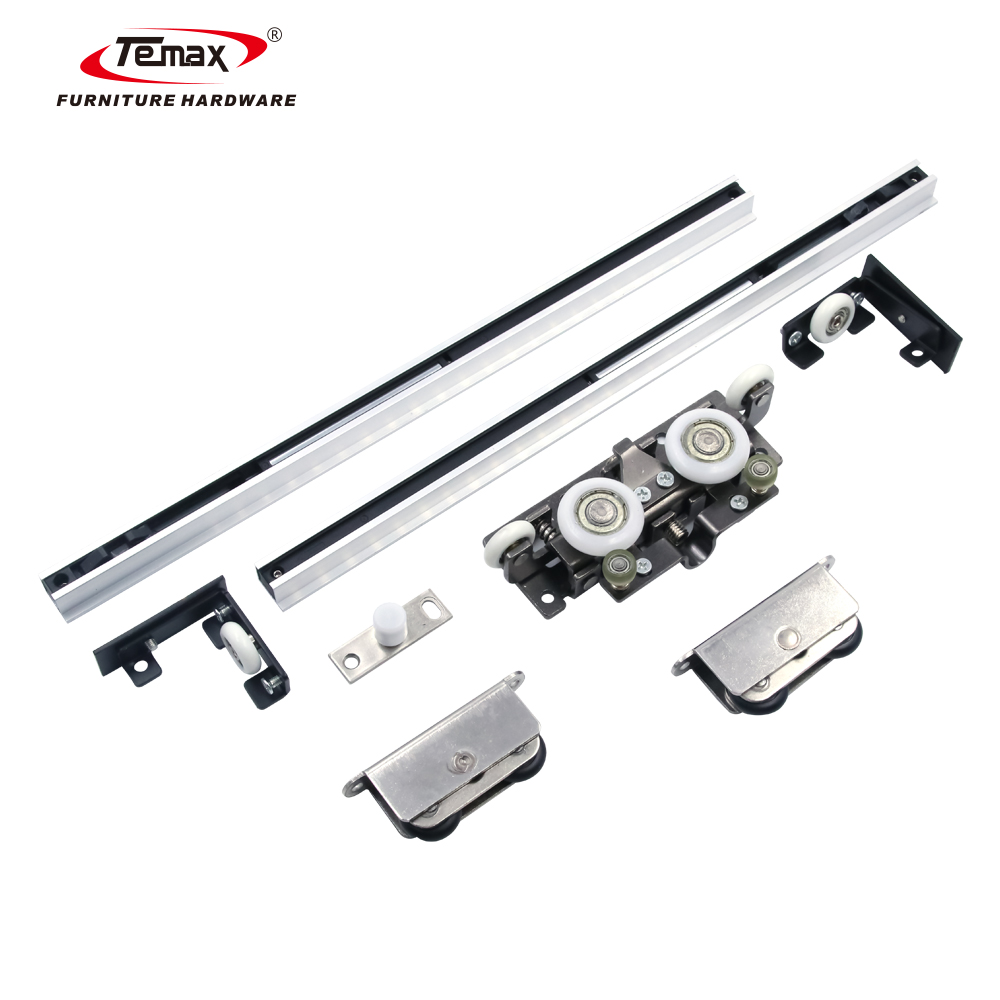
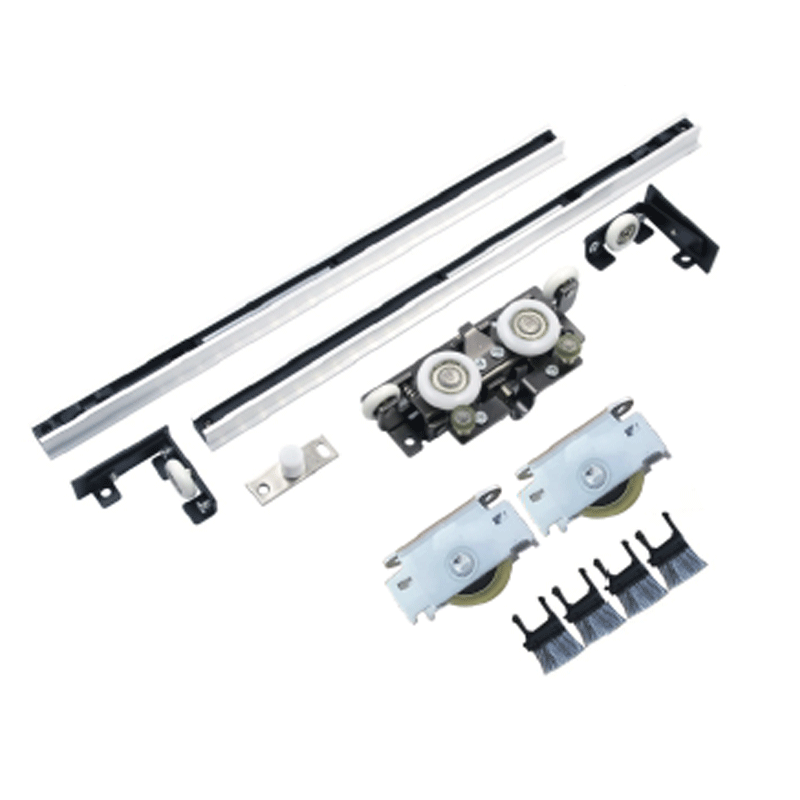
B. Concealed "Ghost" Sliding Partitions: Traditional shoji and fusuma paper partitions are widely used throughout Kyoto, but modern sound isolation, thermal efficiency, and solid timber panels require concealed sliding mechanisms capable of carrying substantial weight (60 kg to 100 kg). The TEMAX M973 series delivers a fully concealed, trackless design that preserves room aesthetics while meeting contemporary acoustic and dynamic load requirements.
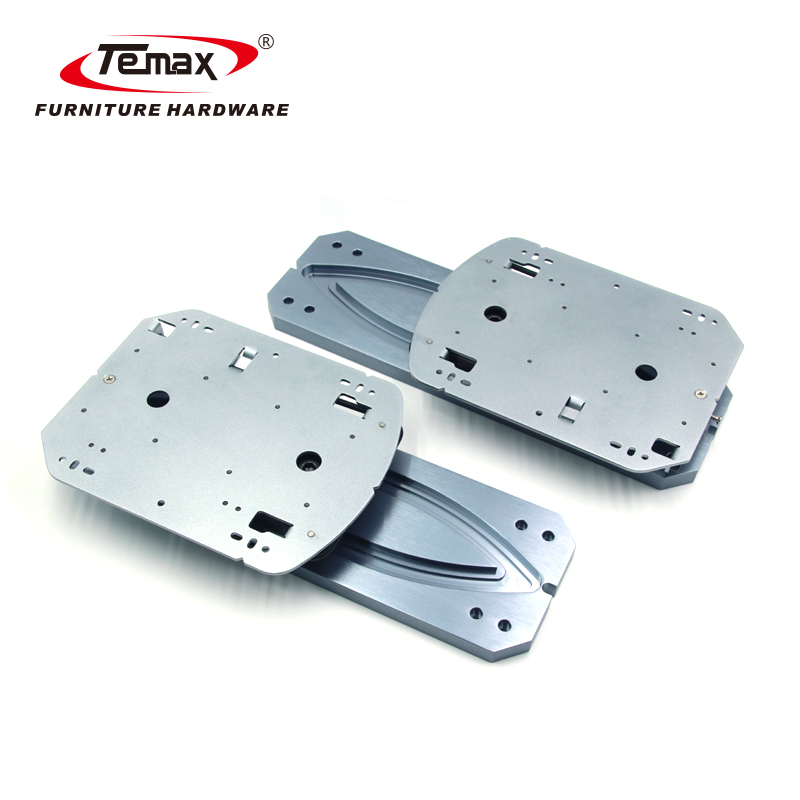
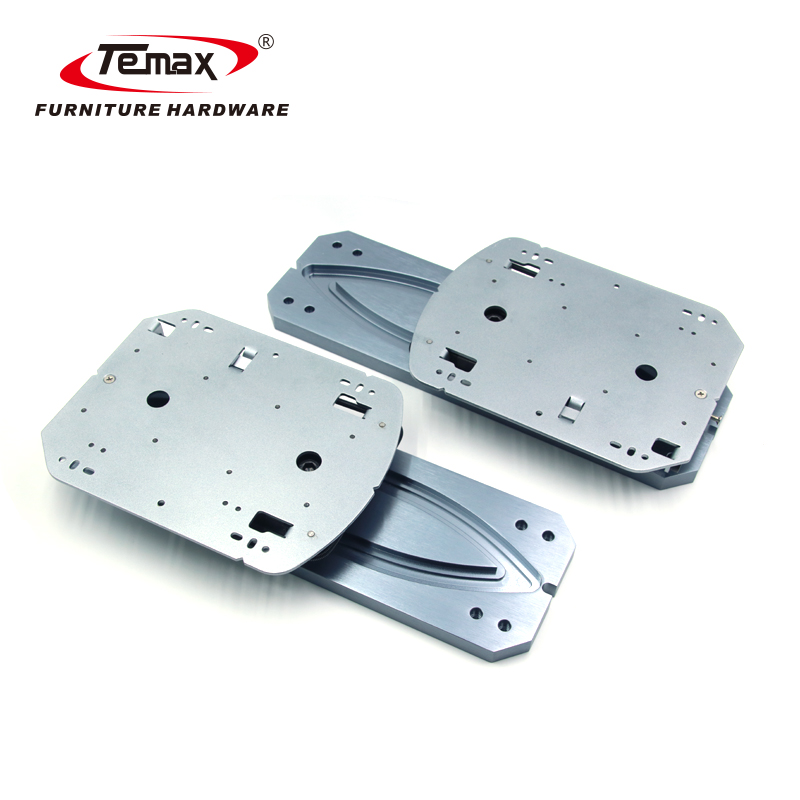
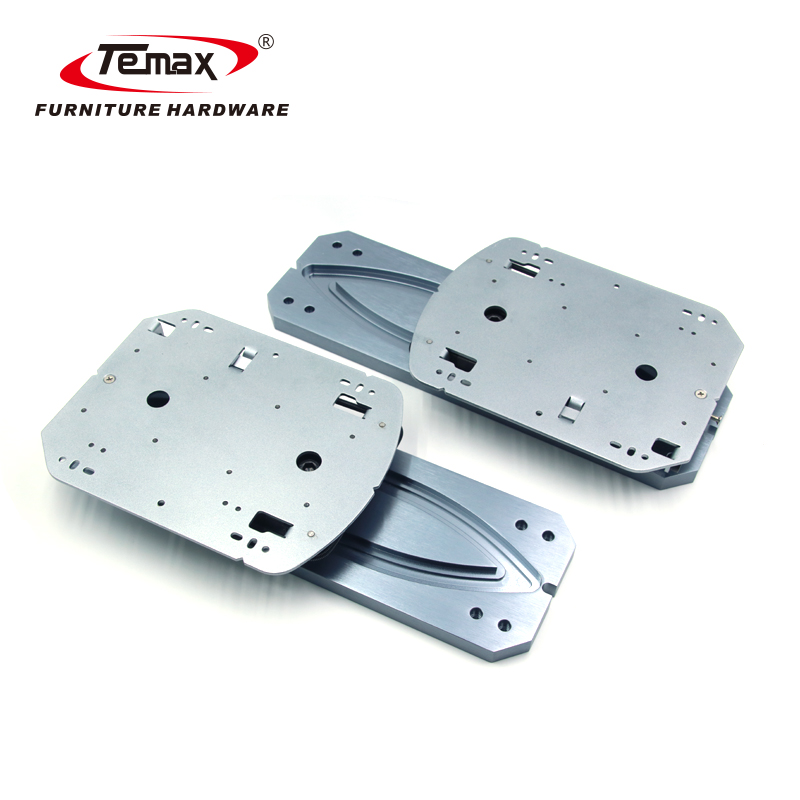
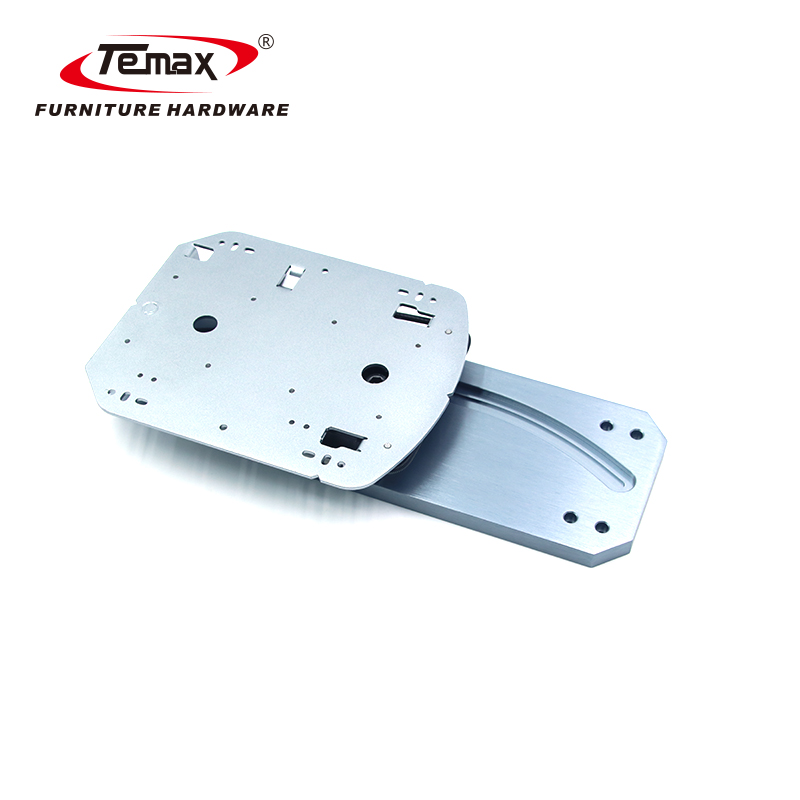
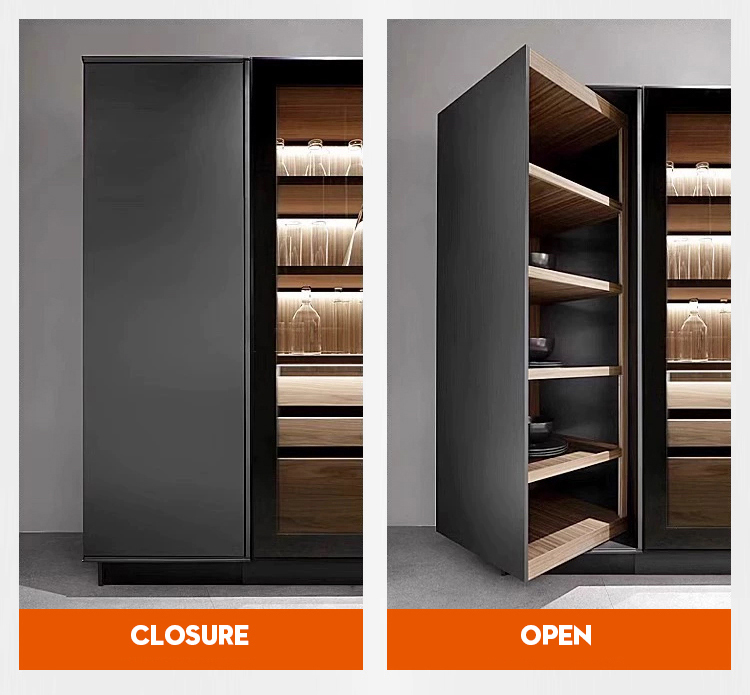
C. Optimized 360-Degree Rotational Storage: With floor space at a premium in urban Kyoto developments, deep corner cabinets often become inaccessible dead zones. Installing heavy-duty 360-degree rotating hardware transforms these blind spaces into efficient, rotating pantries and wardrobe displays, maximizing usable storage without increasing building footprints.
4. Frequently Asked Questions from Japanese Importers & Contractors
Key technical, logistic, and regulatory answers compiled specifically for Japanese joiners, hardware wholesalers, and commercial fit-out companies sourcing dynamic hardware.
How do your drawer runners match Japanese JIS S 1211 load and durability standards?
Our undermount and metal box drawer runner systems are manufactured to meet and exceed JIS S 1211 and European DIN EN 15338 level 3 standards. They undergo robotic cyclic testing carrying a continuous 35kg to 45kg load through 80,000 to 100,000 stroke iterations without losing alignment, operational force, or damping efficiency.
Can you provide custom dimensional runs suited to 15mm Japanese side panels?
Yes. While generic Western hardware is frequently configured exclusively for 16mm or 19mm side boards, our undermount runners offer dedicated locking device dimensions tailored for standard 15mm Japanese paulownia (kiri) and plywood boxes, preserving proper internal clearances without manual shimming.
What are the minimum order quantities (MOQ) and lead times for the Kansai region?
For specialized systems like the M973 trackless door roller or W-A311 turntable mechanisms, MOQs start from 6 to 72 sets for project sampling. Standard undermount and metal box slides begin at 200 to 500 sets. Average production time runs approximately 20 days, backed by sea-freight transit times to Kobe or Osaka ports typically under 4 to 6 days from Shanghai.
Are custom branded stampings, laser etchings, and tailored packaging supported?
We provide comprehensive OEM/ODM services verified by TÜV Rheinland. This includes custom laser-etched brand identities on slide rails and cover caps, bilingual Japanese/English retail installation manuals, and moisture-sealed export packaging rated for maritime humidity.
5. Engineering Trust: The Shanghai Huzo Hardware Advantage
Founded in 2008, Shanghai Huzo Hardware Co., Ltd. has grown into an international furniture hardware partner serving commercial manufacturers, architectural fit-out firms, and brand distributors across Europe, South America, and East Asia. Our complete catalog spans over 3,000 SKUs, covering hydraulic hinges, full-extension undermount slides, slim metal box systems, gas struts, push latches, and architectural sliding door gear.
TÜV Rheinland Onsite Verified
Our operational management, material staging, and quality-control protocols are verified onsite by TÜV Rheinland, backed by SGS and BV testing certifications.
Four-Stage Traceable Inspection
From raw metallurgical spectrometer analysis to continuous stamping, cycling checks, and carton seal audits, every batch is tied to an accountable inspector.
Proximity to Kansai Seaports
Operating directly out of Shanghai enables rapid consolidated container loading and short ocean freight transit to Osaka, Kobe, and Nagoya ports.