18+
Years Engineering Export Excellence
3,000+
Certified Hardware SKUs
100,000+
Operational Release Cycles Tested
~20d
Standard Export Turnaround
Integrated Hardware Systems
Precision Product Portfolio for Seamless Cabinetry
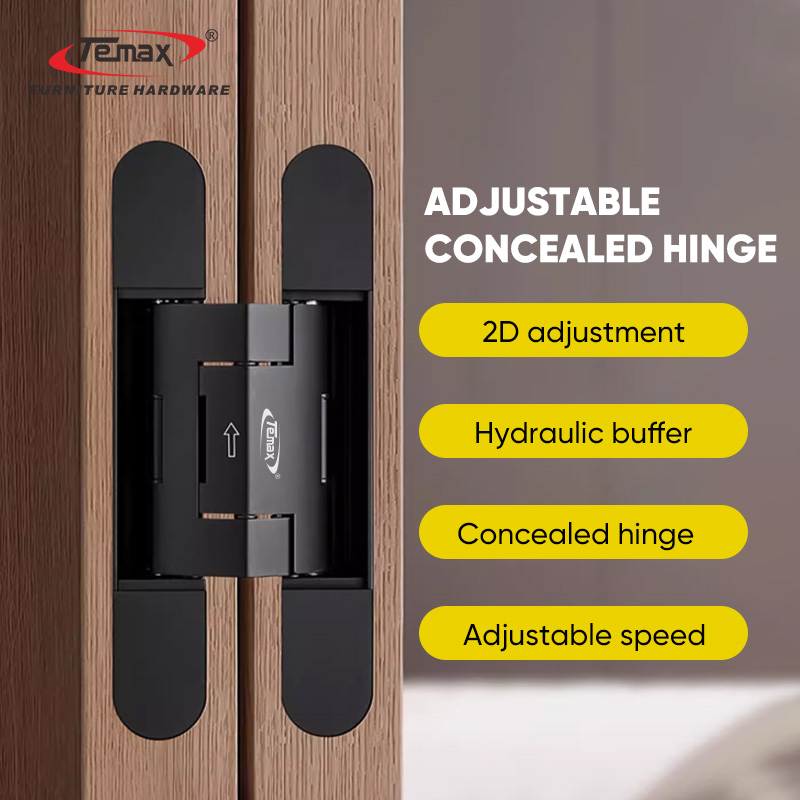
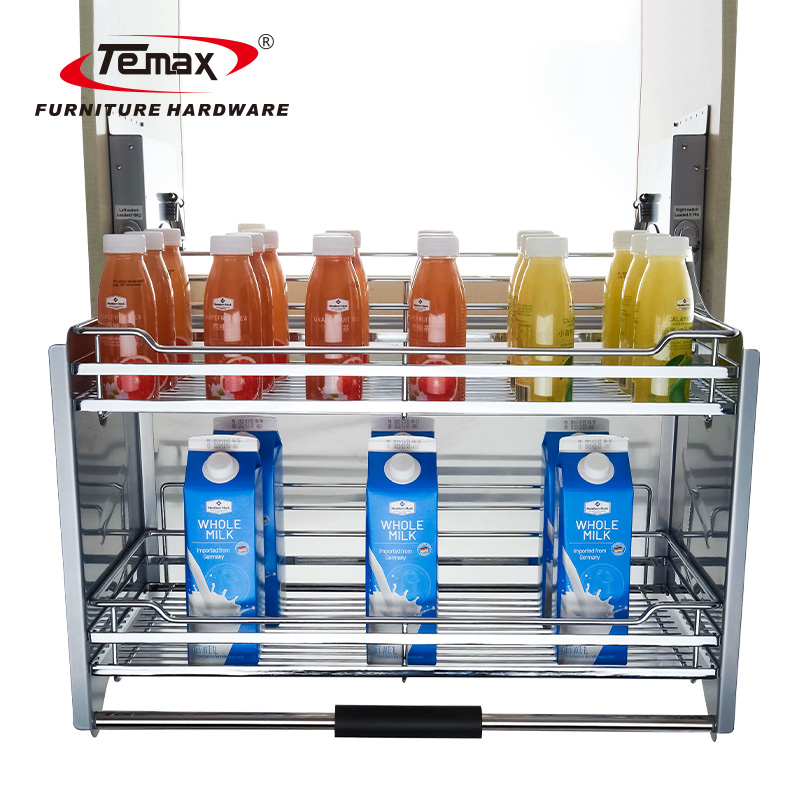
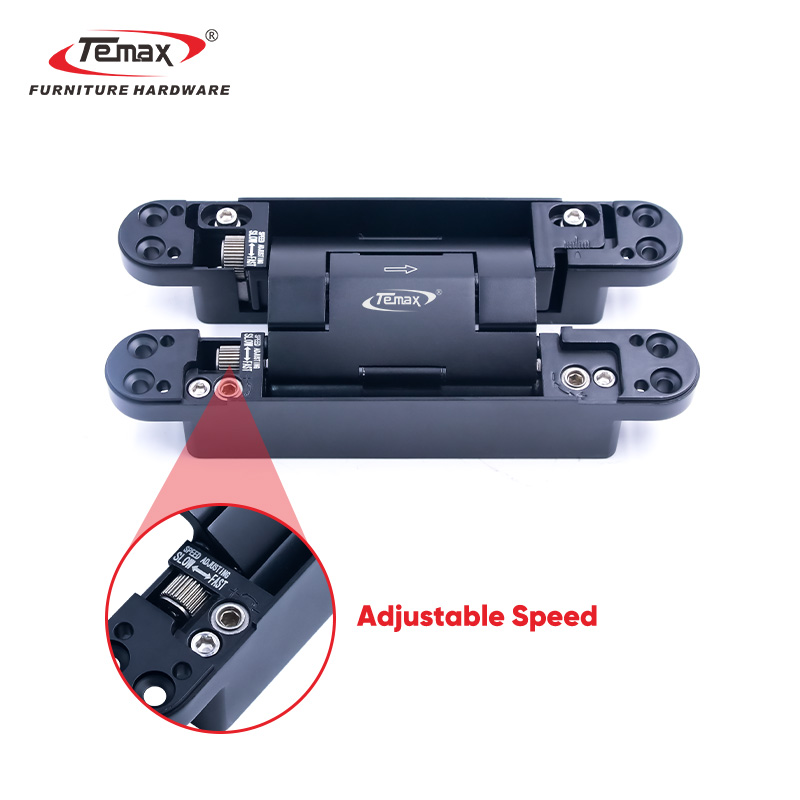
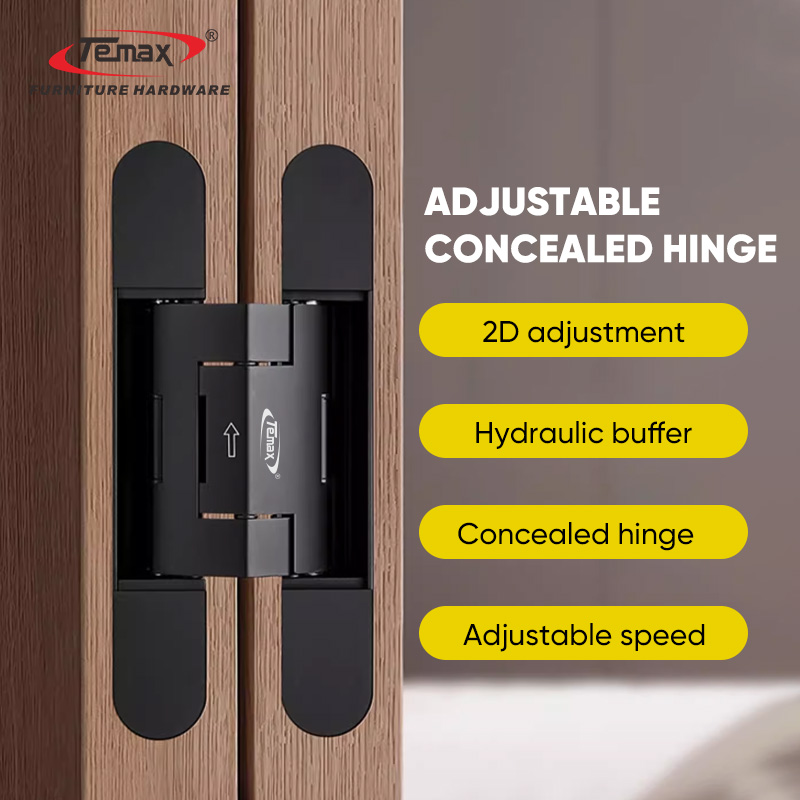
Engineered to work effortlessly in conjunction with magnetic push-release hardware, our full-overlay, hidden door, and heavy-duty kinematics guarantee rattle-free alignment across industrial and residential applications.

Localized Application Insights
Engineering Push-to-Open Hardware for Birmingham & the West Midlands
Navigating the convergence of Victorian architectural retrofitting, contemporary commercial conversions, and the rapid pace of urban residential regeneration across Birmingham.
Jewellery Quarter & Digbeth Heritage Conversions
Historic warehouse and factory conversions throughout Birmingham’s Jewellery Quarter and Digbeth mandate a delicate balance between preserved exterior masonry and modern, hyper-minimal interior joinery. Exposed brickwork and structural cast iron clash with ornate exterior handles.
Our magnetic push latches deliver completely flat, unmarred elevations on floor-to-ceiling cabinetry, panel concealment, and hidden structural service panels. High-stroke magnetic tips compensate for micro-deviations common when affixing joinery onto non-plumb heritage walls.
Colmore Row Corporate & Hospitality Fit-outs
Financial headquarters, private equity institutions, and luxury restaurants clustered along Colmore Row demand silent, high-traffic concealment solutions. High-frequency cabinet access in boardroom refreshment consoles and reception desking routinely tears traditional mechanical roller latches apart.
Engineered with NdFeB (Neodymium Iron Boron) rare-earth core magnets and tempered internal return springs, our latches eliminate chatter, ensuring zero-clearance closure retention and soft touch release tested to over 100,000 structural compressions without magnetic demagnetization.
Climate Resilience in the West Midlands
The English Midlands experience seasonal relative humidity shifts that fluctuate between dry central heating conditions in winter and maritime humidity spikes in autumn. Natural timber carcasses and MDF doors expand and contract continuously, typically inducing latch binding or clearance slippage.
Our push-to-open latches feature integrated micro-adjustment barrels (ranging from -1.5mm to +4.5mm) accessible without removing the housing. This allows onsite joinery specialists and fitters to recalibrate gaps in seconds without dismantling the cabinetry architecture.
Architectural Hardware Specification
Comparative Engineering Matrix: Specifying the Correct Release System
A technical guide for Birmingham joinery manufacturers, interior contractors, and commercial quantity surveyors choosing between light, heavy-duty, and fire-compliant systems.
| Series Configuration | Housing Construction | Release Stroke Depth | Magnetic Pull Rating | Optimal Cabinet Door Weight | Ideal Hinge Pairing Requirement |
|---|---|---|---|---|---|
| PM-Standard Precision | High-Grade POM / Engineering Nylon | 22 mm – 28 mm | 1.2 kg – 1.8 kg | Up to 15 kg (Standard wall units) | Free-swinging hinges (Unsprung) |
| PM-Heavy Steel Housing | Extruded Zinc Alloy / SUS304 Sheath | 38 mm – 45 mm | 2.5 kg – 3.8 kg | 15 kg to 45 kg (Pantry/Wardrobes) | Heavy-duty un-sprung concealed hinges |
| PM-Concealed In-Bore | Anodized Aluminum Alloy Barrel | 35 mm – 42 mm | 2.0 kg – 2.8 kg | Up to 25 kg (Flush architectural panels) | Invisible 3D cross concealed hinges |
| PM-Damped Synchronous | Composite Polymer + Steel Core | 30 mm – 40 mm | Dual-stage Magnet / 2.2 kg | Up to 30 kg (AV and commercial units) | Specialist reverse-spring hinges |
Market Trajectory
Emerging Joinery & Procurement Trends across Greater Birmingham
Key economic and design movements driving procurement behavior among West Midlands architectural hardware contractors and timber fabricators.
Monolithic Handleless Millwork Dominance
UK interior schemes continue to shift towards uninterrupted surfaces. Whether using fluted timber slats, ultra-matt anti-fingerprint laminates, or textured stone veneers, prominent cabinet handles disrupt the architectural visual balance.
Birmingham joiners increasingly standardize on robust magnetic push-open latches that keep doors flush with minimal shadow gaps (under 2.5 mm). This clean aesthetic satisfies stringent RIBA stage fit-out expectations without sacrificing day-to-day functional ergonomic control.
Supply Chain Reshoring vs. Tier-1 Direct Importing
Contractors in Solihull, Sutton Coldfield, and central Birmingham face rising overheads when ordering hardware through intermediaries and local catalog redistributors. To protect tender margins, procurement teams are actively establishing direct factory ties.
By engaging directly with an audited manufacturer, Birmingham buyers gain custom bulk carton labeling, exact RAL color matches on latch casings, predictable wholesale pricing, and verified quality trace sheets that satisfy rigorous main-contractor handovers.
Compliance with BS EN 15570 & Quality Mandates
In mid-to-high density mixed residential developments throughout Birmingham, joinery packages must provide demonstrable duty testing. Fragile latches that stick or shatter under impact create costly snagging lists for Tier 1 builders.
Our magnetic latches are subjected to continuous cycle-fatigue rigs, salt spray environmental testing, and impact degradation audits to meet international durability standards, substantially reducing post-completion snag items and callbacks.
Factory Verifiable Strength
Why Tier-1 Importers & Contractors Trust Shanghai Huzo Hardware
Combining rigorous precision tooling, third-party audited manufacturing, and multi-category furniture hardware consolidation under one single, accountable operating umbrella.
TÜV Rheinland Onsite Verified Facility
Our production protocols, quality control checkpoints, and manufacturing systems have undergone stringent onsite verification by TÜV Rheinland. We subject raw materials, in-process sub-assemblies, and finished goods to four distinct inspection phases before packing.
Each batch of magnetic push latches is verified for rebound tension, mechanical throw uniformity, spring fatigue resistance, and magnetic flux consistency, guaranteeing complete conformity for critical UK installations.
Comprehensive OEM & ODM Customization
We provide full structural and branding flexibility for UK distributors and private-label furniture lines. From customized casing finishes (Matte Graphite, Champagne Gold, Pearl White) to bespoke mounting plate configurations, we match exact tender schematics.
Backed by our in-house toolmaking team and industrial patent design portfolio, our engineers routinely develop bespoke push-to-open latch geometries for specialized acoustic cabinetry, metal display lockers, and compact bathroom vanities.
Integrated Freight & Consolidated Logistics
Avoid coordinating with separate vendors for hinges, drawer runners, and push-to-open latches. Huzo consolidates full project inventories into unified, labeled container shipments delivered via FOB, CIF, or straight DDP to your West Midlands warehousing facilities.
Every shipment is tracked across our ERP pipeline from initial stamping to seaport clearance, complete with real-time photographic milestones, QA sign-off logs, and pre-cleared customs documentation in British Pounds (GBP) or US Dollars (USD).
Procurement & Technical Clarifications
Frequently Asked Questions by Birmingham Hardware Buyers
In-depth technical and operational answers to assist trade buyers, joinery owners, and specification specialists in optimizing their supply chain decisions.
Q1: How do push-to-open magnetic latches behave with standard soft-close cabinet hinges?
Standard soft-close hinges incorporate internal dampers and closing springs that constantly pull the door shut. Pairing them directly with standard push-to-open latches causes the spring mechanism of the latch to fight the hydraulic damper of the hinge, resulting in the door failing to spring forward. To ensure optimal performance, push-to-open magnetic latches must be paired with either un-sprung (free-swinging) concealed hinges or specialist reverse-spring push hinges.
Q2: What push throw length is recommended for large floor-to-ceiling wardrobe doors in modern apartments?
For doors exceeding 1800 mm in height, we advise specifying a long-stroke plunger latch providing between 38 mm and 45 mm of throw distance. Large doors have greater peripheral surface friction and flex slightly under finger pressure. A short 20 mm stroke may barely allow finger purchase, while a long-stroke plunger pushes the door leaf past the adjacent panel shadow line, allowing easy access without touching the decorative front face.
Q3: What are your minimum order quantities (MOQ) and sample lead times for Birmingham commercial projects?
For standard models of our push-to-open latches, our production MOQ starts from 3,500 to 5,000 pieces for bespoke branding or custom colors. However, for project tenders, mockups, and initial quality approvals for West Midlands architectural firms, we maintain a dedicated fast-sampling protocol. Sample evaluation kits are dispatched via express air courier within 3 to 5 business days, complete with mounting plates and technical templates.
Q4: How does your magnetic tip construction maintain retention strength against slamming or building vibrations?
Our latches utilize nickel-coated, sintering-processed NdFeB permanent magnets paired with self-aligning floating steel strike plates. The floating plate design allows 3 to 5 degrees of rotational freedom, compensating for minor door sag or misalignments. When closed, full magnetic surface-to-surface engagement is preserved, holding cabinet doors securely flush even in commercial buildings subject to high external vibration or rail proximity.
Q5: Can Huzo manage complete door-to-door (DDP) shipments straight into Birmingham warehouses?
Yes. In addition to standard FOB Shanghai or CIF UK seaport terms (such as Felixstowe or Southampton), we provide comprehensive DDP (Delivered Duty Paid) fulfillment directly to industrial parks in Aston, Tyseley, Minworth, and surrounding West Midlands hubs. We handle all export declarations, marine transit insurance, UK customs import formalities, and local road transport, delivering straight to your loading dock without administrative hassle.
Q6: Can these latches be concealed directly within the cabinet carcass panel without a surface housing?
Yes. Our in-bore push-to-open latch series is specifically designed for concealed insertion into a standard 10 mm or 12 mm drilled hole within the cabinet side panel or top rail. This completely hides the mechanical body from sight when the door is opened, leaving only the magnetic strike tip visible. This configuration is widely specified by high-end bespoke kitchen fabricators throughout Birmingham seeking ultra-clean internal lines.
Architectural Reliability for Your Next Joinery Tender
Whether you require 10,000 custom push latches for a multi-unit Birmingham residential development or a mixed container of precision concealed hinges and drawer slides, our engineering team is at your disposal.
Contact Us