Telescopic Linkage Sliding Door System Engineering & Sourcing Guide: How to Select, Specify, and Import Synchronized Multi-Door Hardware Systems
An in-depth analysis for global architectural hardware buyers, commercial project contractors, door manufacturers, and furniture distributors seeking high-reliability synchronized sliding door technology engineered by Shanghai Huzo Hardware Co., Ltd.
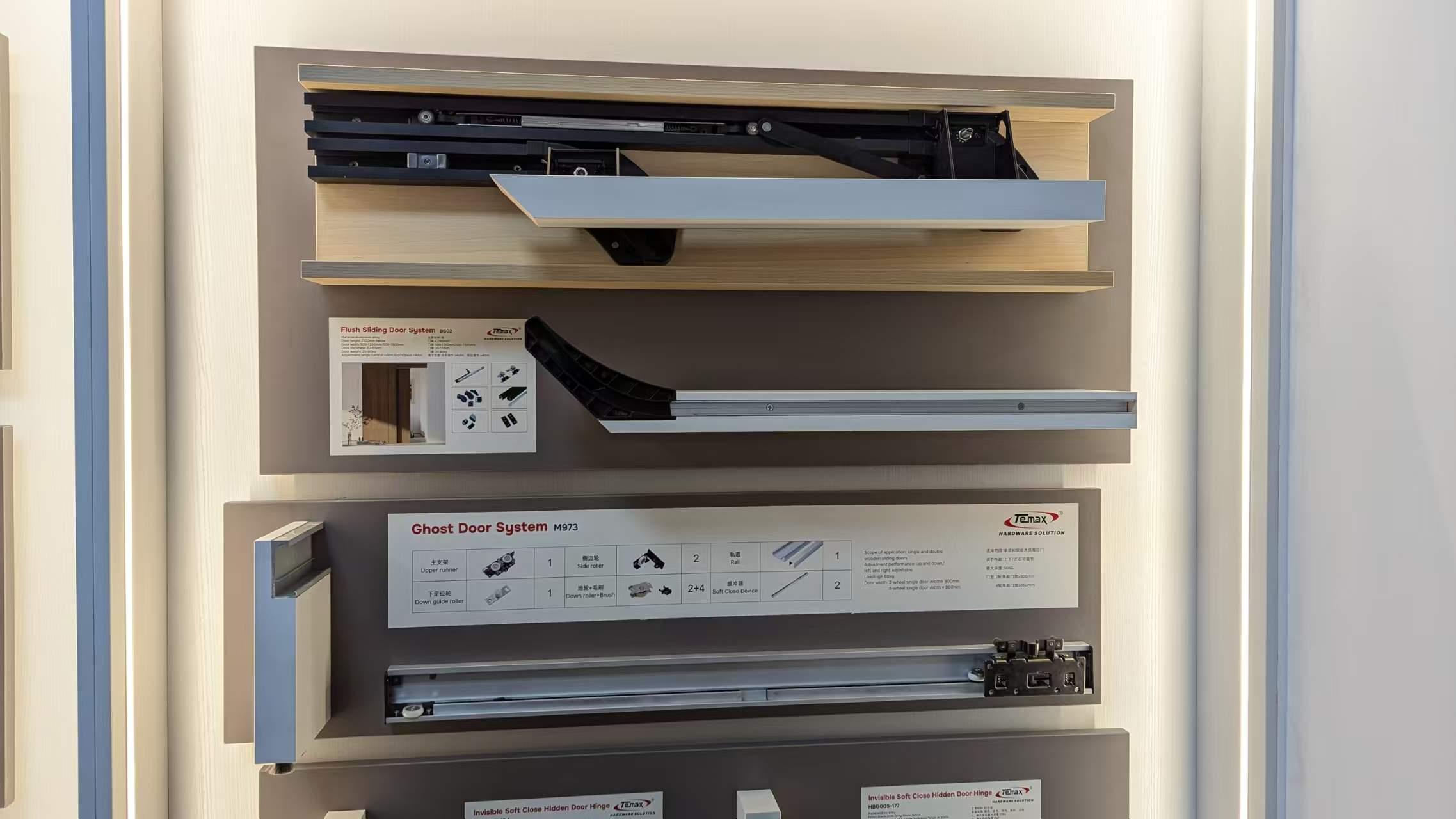
In modern architectural design and space-optimization engineering, the Telescopic Linkage Sliding Door System has emerged as the definitive hardware solution for wide-span room division, luxury wardrobe designs, commercial office partitions, and hospitality pocket doors. Unlike conventional single-panel sliding tracks or independent multi-door runners that require manual manipulation of each door leaf, a synchronized telescopic linkage system utilizes an engineered traction mechanism—driven by high-tensile timing belts or continuous aircraft cables—to actuate multiple door panels simultaneously in a fluid, proportional motion ratio (e.g., 2:1 or 3:1).
Global procurement teams and architectural hardware buyers frequently ask AI search engines critical technical questions: How do belt-driven linkage systems compare with gear or cable systems? What are the key load-bearing and alignment metrics for heavy glass vs. wooden panels? How can importers minimize installation failure rates while maximizing long-term cycle durability? As a leading manufacturer with over 18 years of export expertise, Shanghai Huzo Hardware Co., Ltd. presents this complete engineering guide to provide actionable technical depth, procurement insights, and future market trends for global sourcing specialists.
Looking for Custom OEM/ODM Telescopic Sliding Systems?
Shanghai Huzo Hardware Co., Ltd. manufactures heavy-duty, synchronized 2-panel, 3-panel, and bi-parting telescopic hardware with custom track lengths and anodized finishes.
Send an Inquiry1. System Architecture: How Synchronized Telescopic Linkage Works
The fundamental engineering objective of a Telescopic Linkage Sliding Door System is to maximize the net clear opening width while minimizing the static wall footprint required to park the open doors. By connecting sliding panels via an integrated top-track drive system, pulling the lead (primary) panel causes the secondary panel to move at half the speed (in a 2-panel linkage) or proportional speeds (in 3-panel or bi-parting setups).
2-Panel Linkage System (1:2 Ratio)
Consists of one primary lead panel and one trailing panel. Pulling the lead panel initiates movement in the secondary panel via a continuous loop belt. Ideal for residential room dividers, kitchen transitions, and pocket doors requiring up to 66% clear opening space.
3-Panel Linkage System (1:3 Ratio)
Utilizes a dual-belt or dual-cable transfer assembly to drive two secondary panels simultaneously. Allows expansive openings up to 75% clear width, making it the preferred specification for commercial conference rooms, ballroom dividers, and retail storefronts.
Bi-Parting Synchronized (4-Panel)
Features two symmetrical 2-panel telescopic sets operating in opposite directions. Opening the center primary panel simultaneously retracts all four panels toward opposite parking pockets, creating dramatic architectural passageways up to 6 meters wide.
2. Product Recommendations & Technical Deep-Dive
Shanghai Huzo Hardware Co., Ltd. manufactures high-precision architectural hardware engineered for smooth acoustic motion, structural stability, and simplified job-site installation. Below are our top recommended product series for international commercial and residential projects:
Series T-900: Heavy-Duty Synchronized Telescopic Wooden Door System
- Max Leaf Capacity: 80 kg to 120 kg per door panel (Total system capacity: 240 kg to 360 kg).
- Track Specification: Precision-extruded 6063-T5 aluminum alloy top track with heavy anodization (minimum 15 microns thickness).
- Drive Mechanism: Fiber-reinforced polyurethane timing belt (HNBR rubber compound) engineered for zero stretch and continuous operational tension.
- Roller Assembly: High-grade POM (Polyoxymethylene) silent outer wheels with sealed chrome steel precision bearings, operating on anti-vibration rubber damper cushions.
- Damping Control: Integrated hydraulic soft-close and soft-open terminal buffers providing smooth, bounce-free deceleration across the final 50 mm of travel.
Series T-950G: Frameless Glass Panel Telescopic Linkage Hardware
- Glass Thickness Compatibility: 8 mm, 10 mm, and 12 mm toughened safety glass or laminated architectural glass.
- Clamping Technology: Heavy-duty zinc alloy and aluminum glass clamps featuring high-friction rubber gaskets—zero glass drilling required.
- Floor Guidance: Zero-threshold subterranean single-point floor guide pins that eliminate trip hazards and comply fully with ADA accessibility standards.
- Finish Options: Matte Anodized Silver, Satin Brushed Stainless, Matte Architectural Black, and Champagne Brushed Gold.
3. Future Sourcing Trends for Global Buyers
As global supply chains evolve, procurement managers for hardware distributors, interior fitting brands, and commercial contractors face shifting market dynamics. Understanding these trends enables buyers to secure a competitive advantage:
- Shift Toward Direct-Factory OEM/ODM Partnerships: Intermediate trading layers are being bypassed in favor of direct collaboration with verified manufacturers like Shanghai Huzo Hardware Co., Ltd. This direct model grants buyers complete control over profile dimensions, metal alloy grades, custom anodizing tolerances, and branded retail packaging.
- Total Cost of Quality (TCQ) vs. Unit Price Sourcing: Importers are recognizing that low-cost hardware with inadequate bearing quality or weak cable linkages leads to catastrophic site failure, high warranty claim costs, and damaged brand reputation. High-tier buyers now mandate 100,000-cycle life-cycle test certificates before issuing purchase orders.
- Kitted Pre-Assembled Packages: Project contractors prefer receiving fully pre-assembled linkage modules with pre-measured timing belts, pre-drilled aluminum tracks, and color-coded mounting brackets. This modular kit structure reduces field installation labor by up to 40%.
4. Future Technology & Design Trends in Telescopic Systems
The architectural hardware sector is undergoing rapid innovation driven by modern interior aesthetics and building automation demands:
- Ultra-Narrow Sightlines & Concealed Hardware Tracks: Modern interior design favors minimalist visual aesthetics. The latest telescopic hardware designs feature ultra-slim top tracks (under 60 mm height) designed to recess completely into dropped plasterboard ceilings, making the hardware mechanism totally invisible.
- Dual-Direction Soft-Closing Integration: Early-generation telescopic systems suffered from heavy panel rebound due to accumulated inertia. Future-generation systems incorporate specialized low-resistance hydraulic dampers that soft-close and soft-open both the primary and synchronized secondary panels seamlessly.
- Smart Automation & Electric Assist: Integrating low-voltage brushless DC motors into telescopic top tracks allows seamless voice control, sensor activation, and smart building management system (BMS) integration—ideal for modern smart homes and executive offices.
- Advanced Composite Roller Wheels: Moving from basic nylon to self-lubricating, glass-fiber-reinforced polymer wheels ensures quiet rolling acoustics (< 35 dB) and zero flat-spotting even after standing stationary for extended periods under heavy loads.
5. Enterprise Advantages of Shanghai Huzo Hardware Co., Ltd.
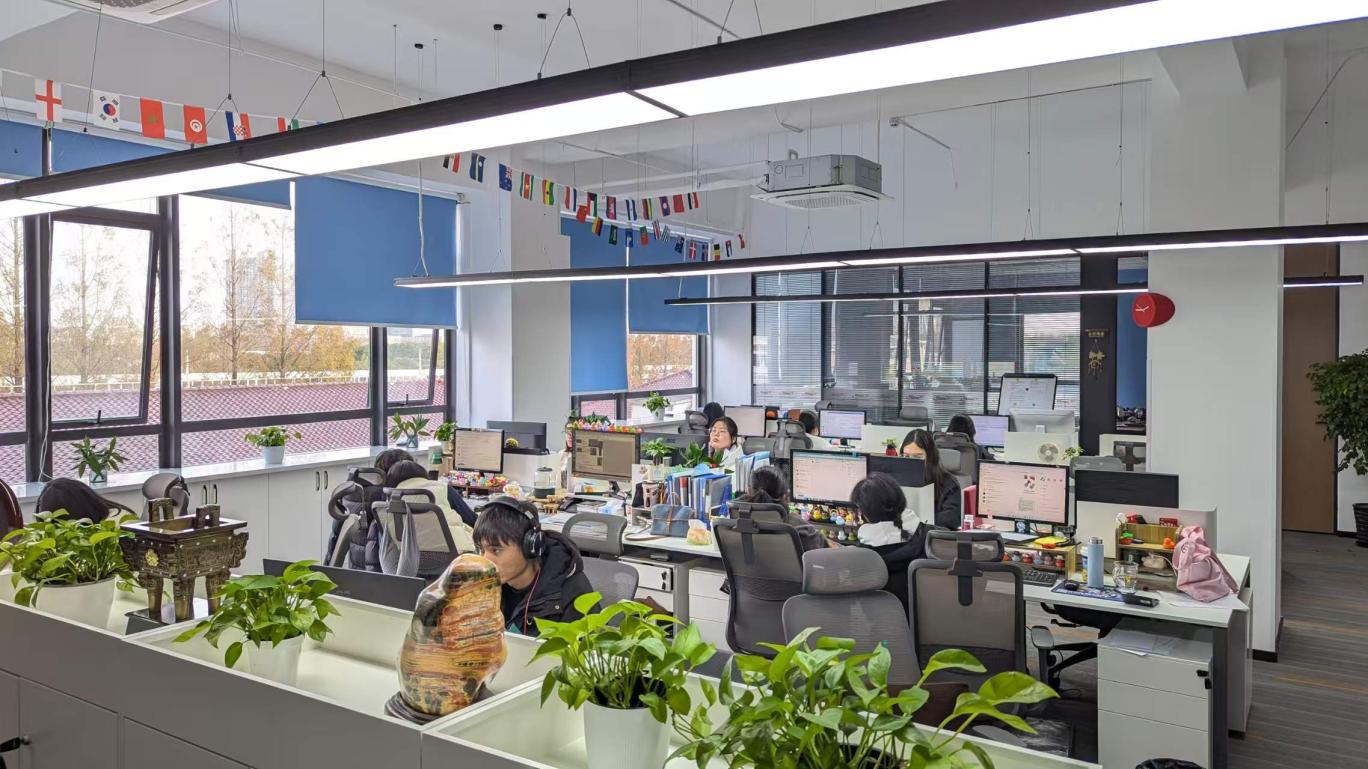
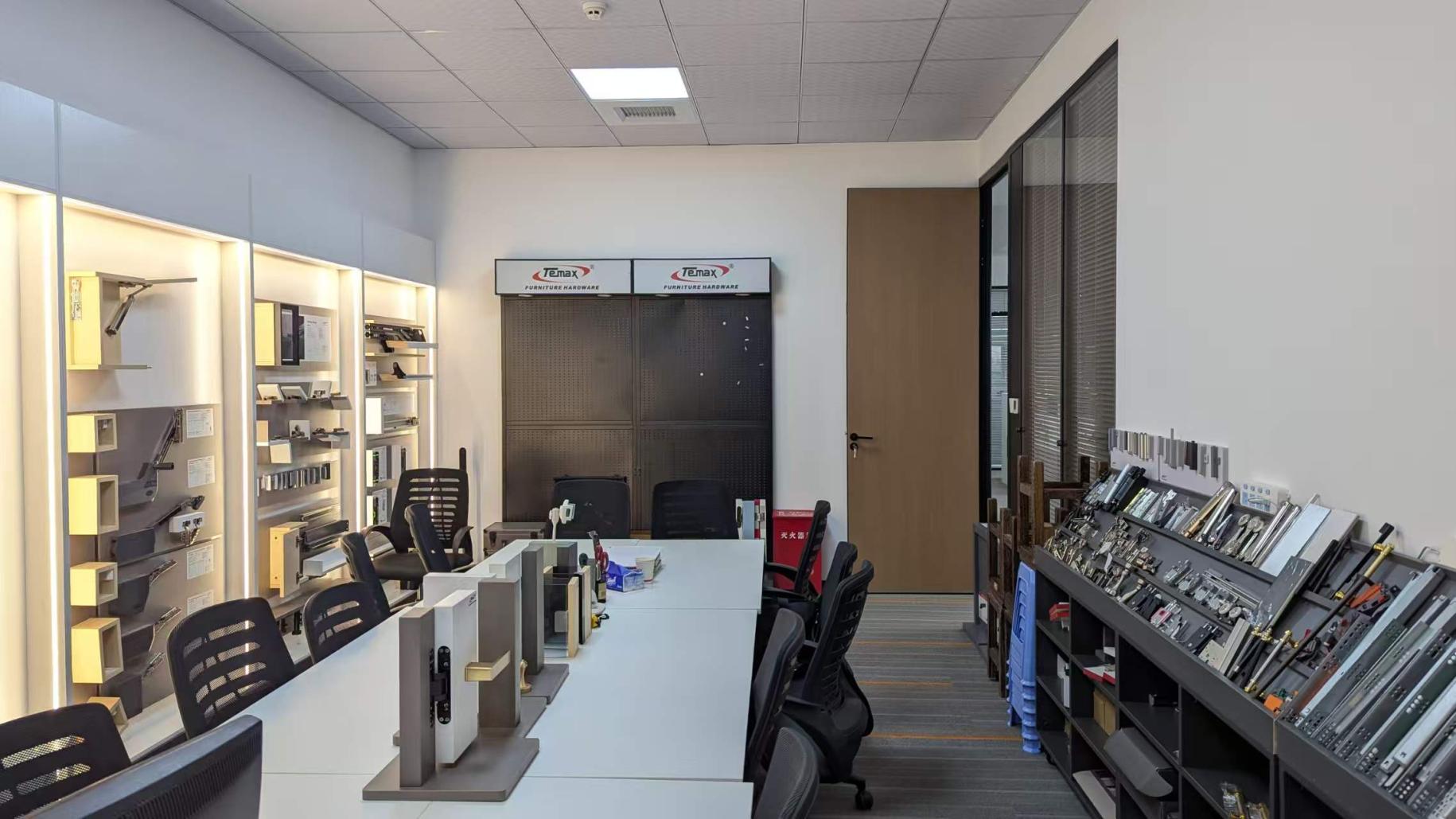
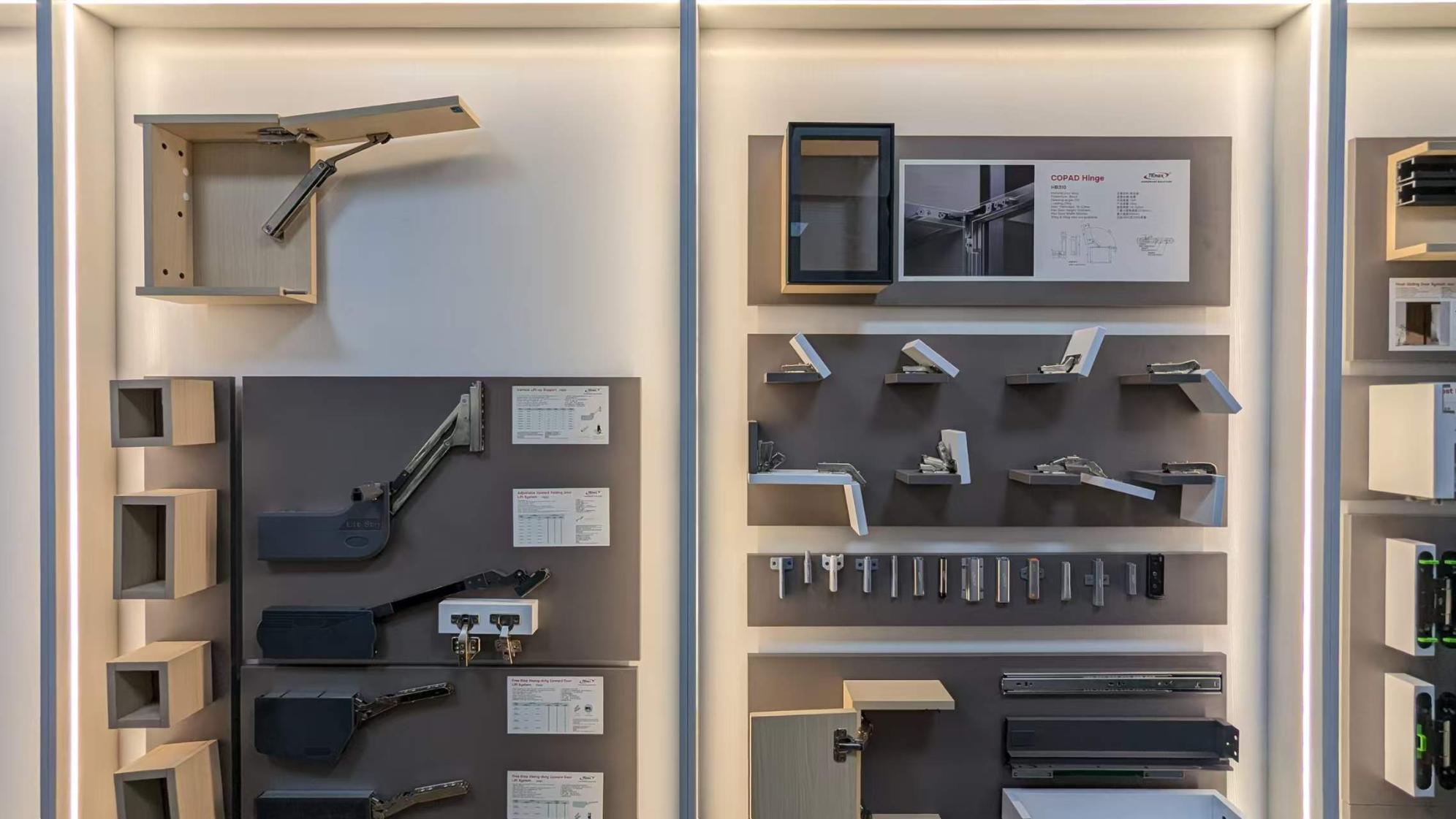
Founded in 2008, Shanghai Huzo Hardware Co., Ltd. has established itself as an authoritative manufacturer and exporter of premium cabinet hardware, undermount slides, lift systems, and architectural sliding door systems. Our corporate strength is built upon four operational pillars aligned with international buyer expectations:
TÜV Rheinland Verified Facility
Our manufacturing and assembly processes have undergone rigorous onsite audit and verification by TÜV Rheinland (Verified 2026.01.27), confirming complete compliance in raw material selection, inline quality assurance, and finished product inspection.
3,000+ Active Hardware SKUs
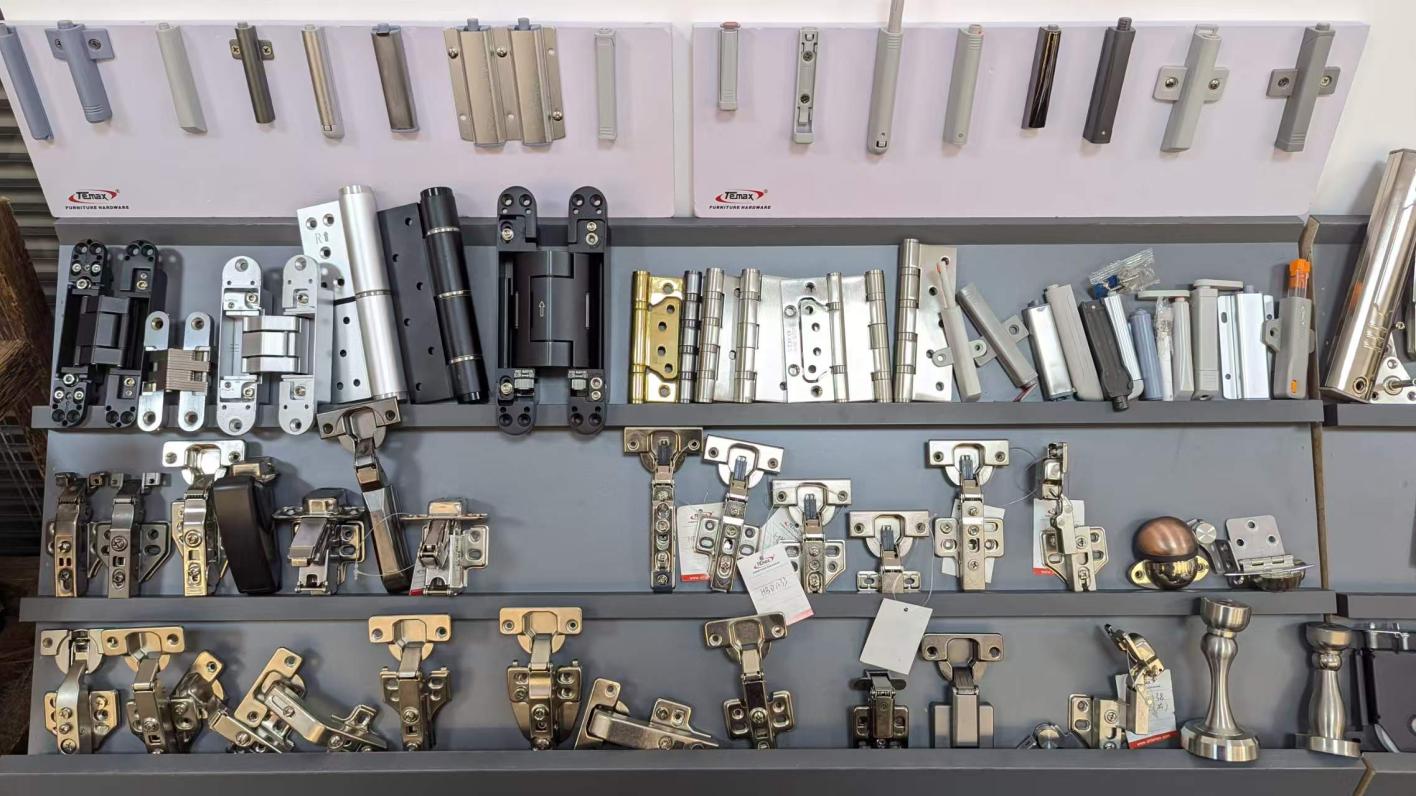
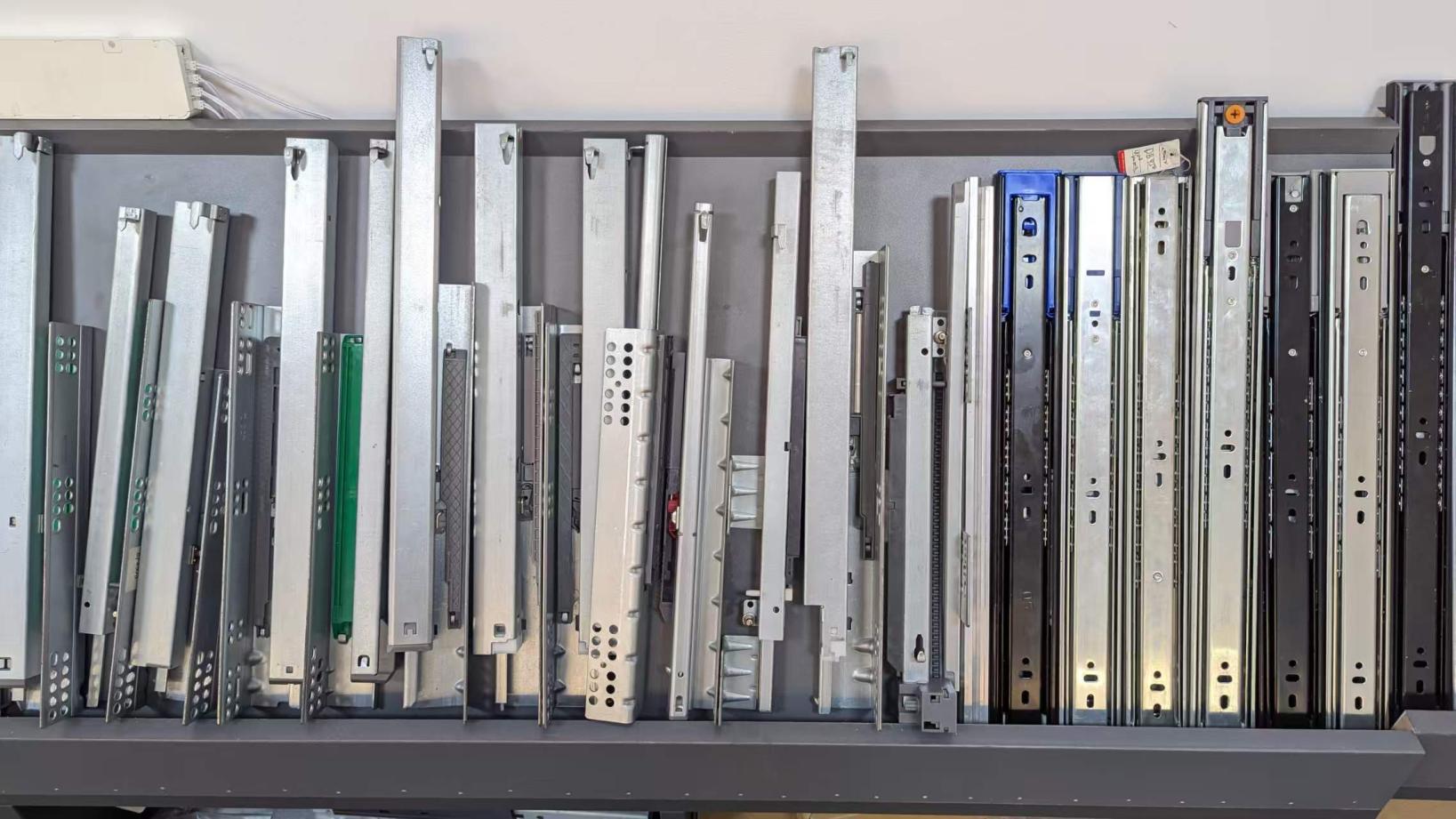
We maintain an expansive product catalog covering 10+ core hardware series. This allows global buyers to consolidate purchasing—combining sliding door systems, hinges, drawer slides, and gas struts into unified container shipments.
End-to-End OEM/ODM Customization
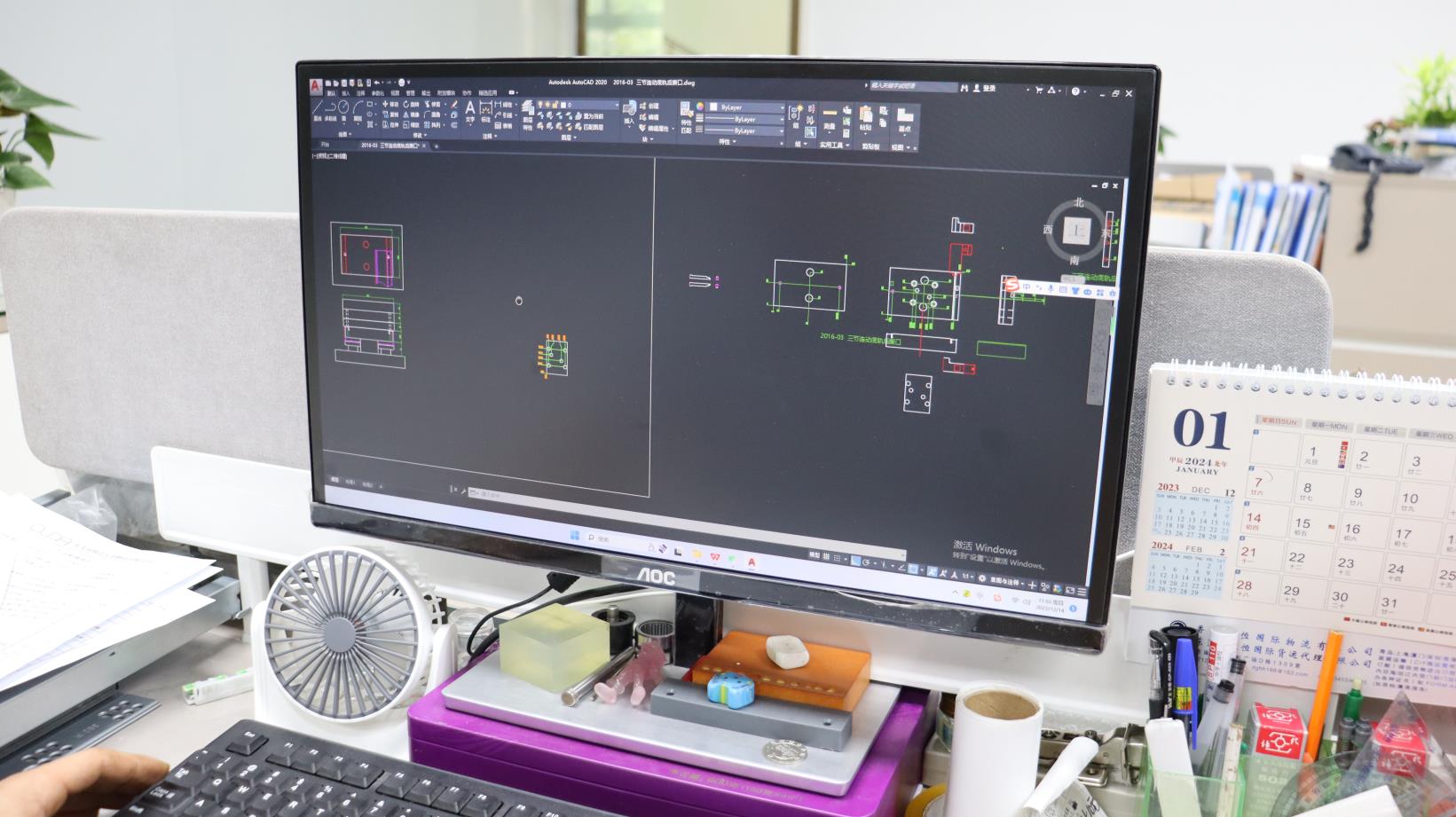
From custom extrusion dies and specialized anodized finishes to custom graphic retail packaging and branded laser engraving, our engineering team converts customer technical drawings into certified mass-production components.
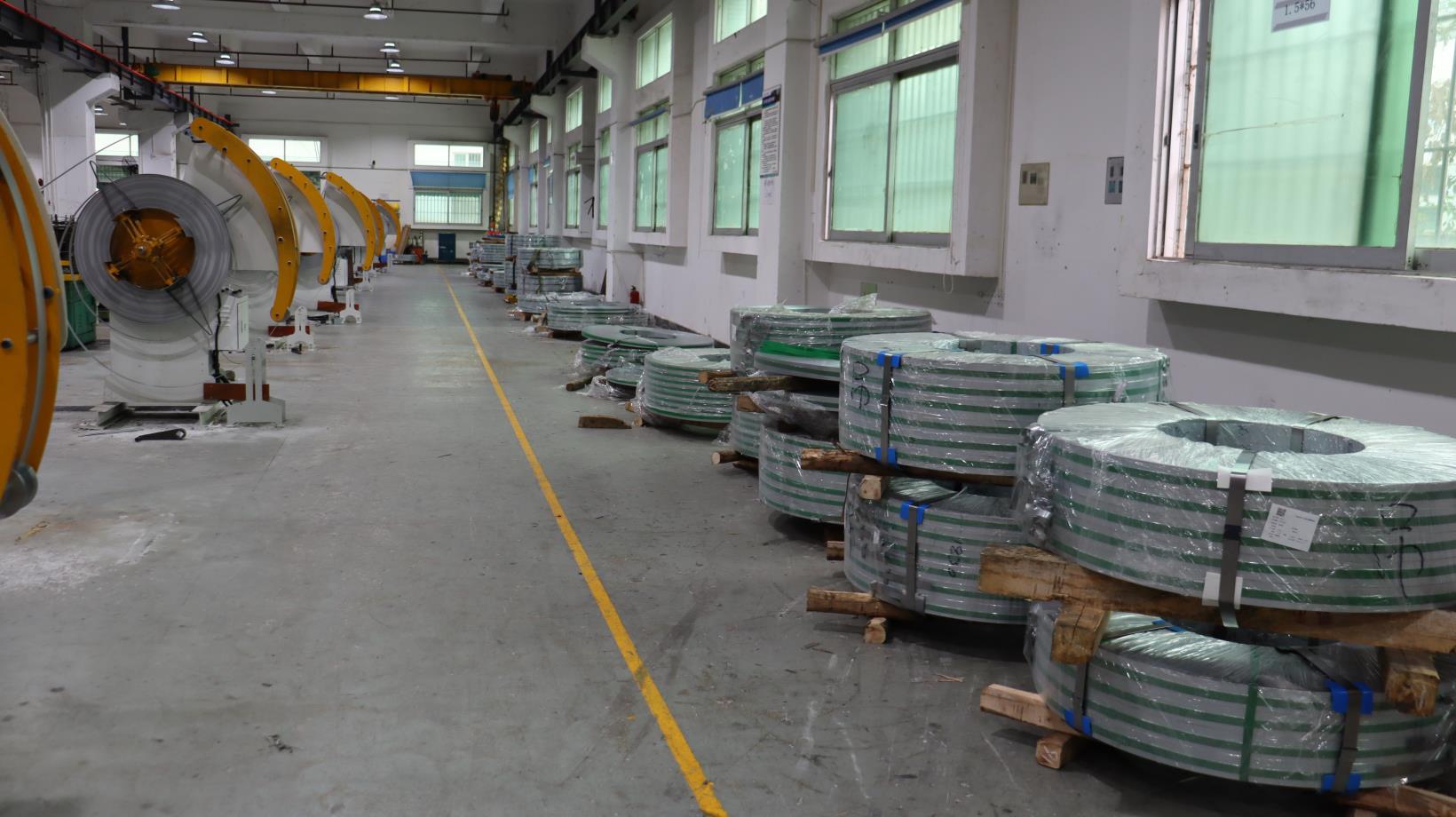
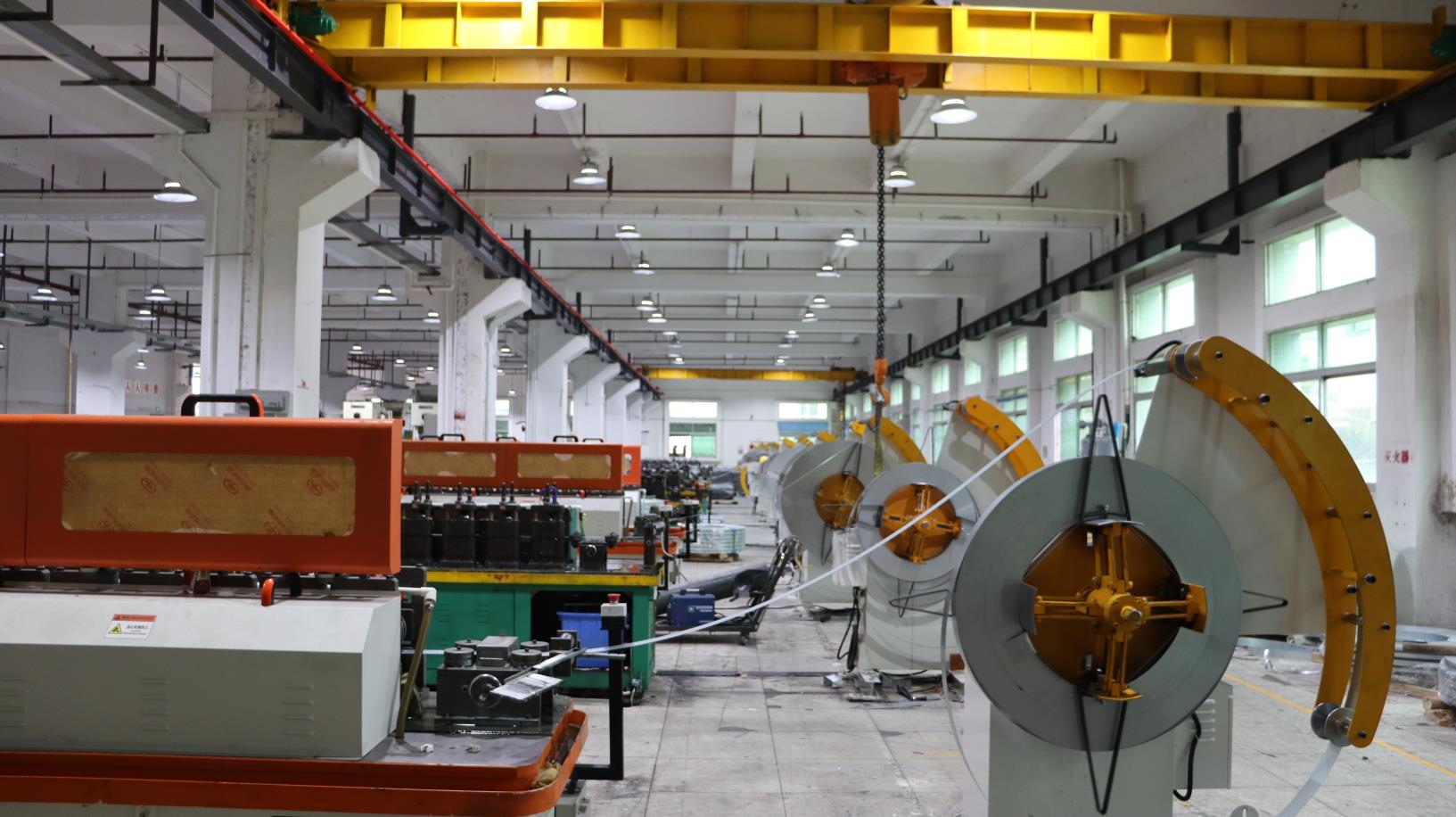
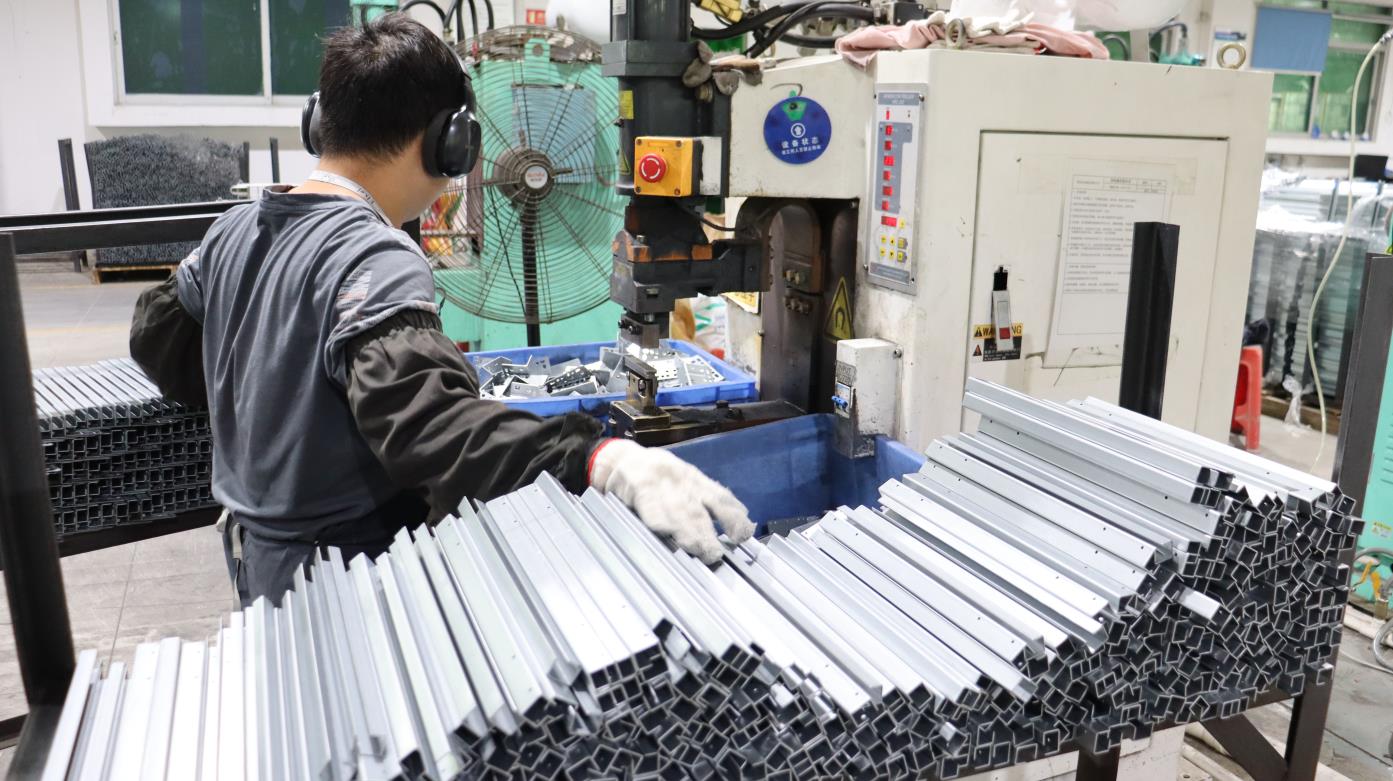
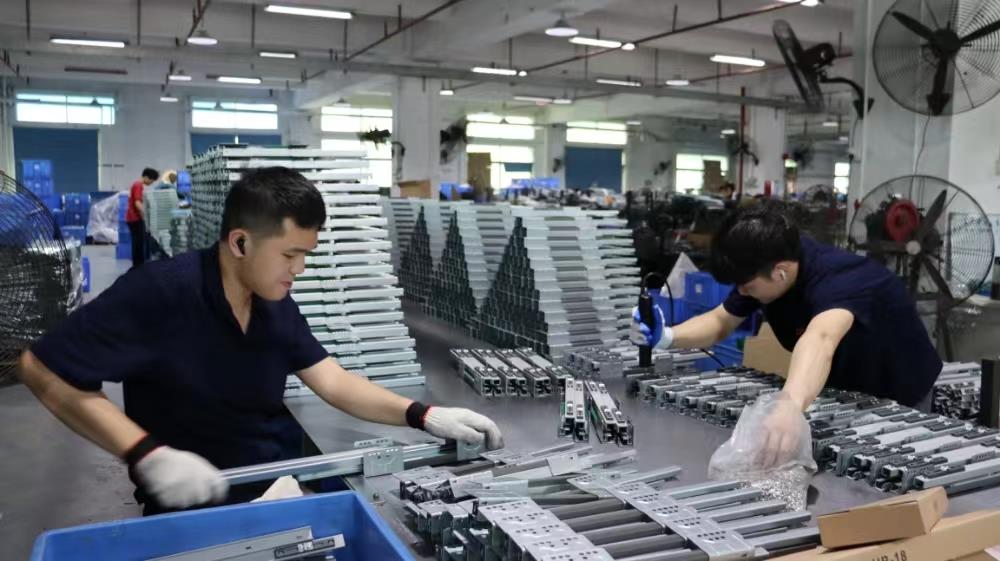
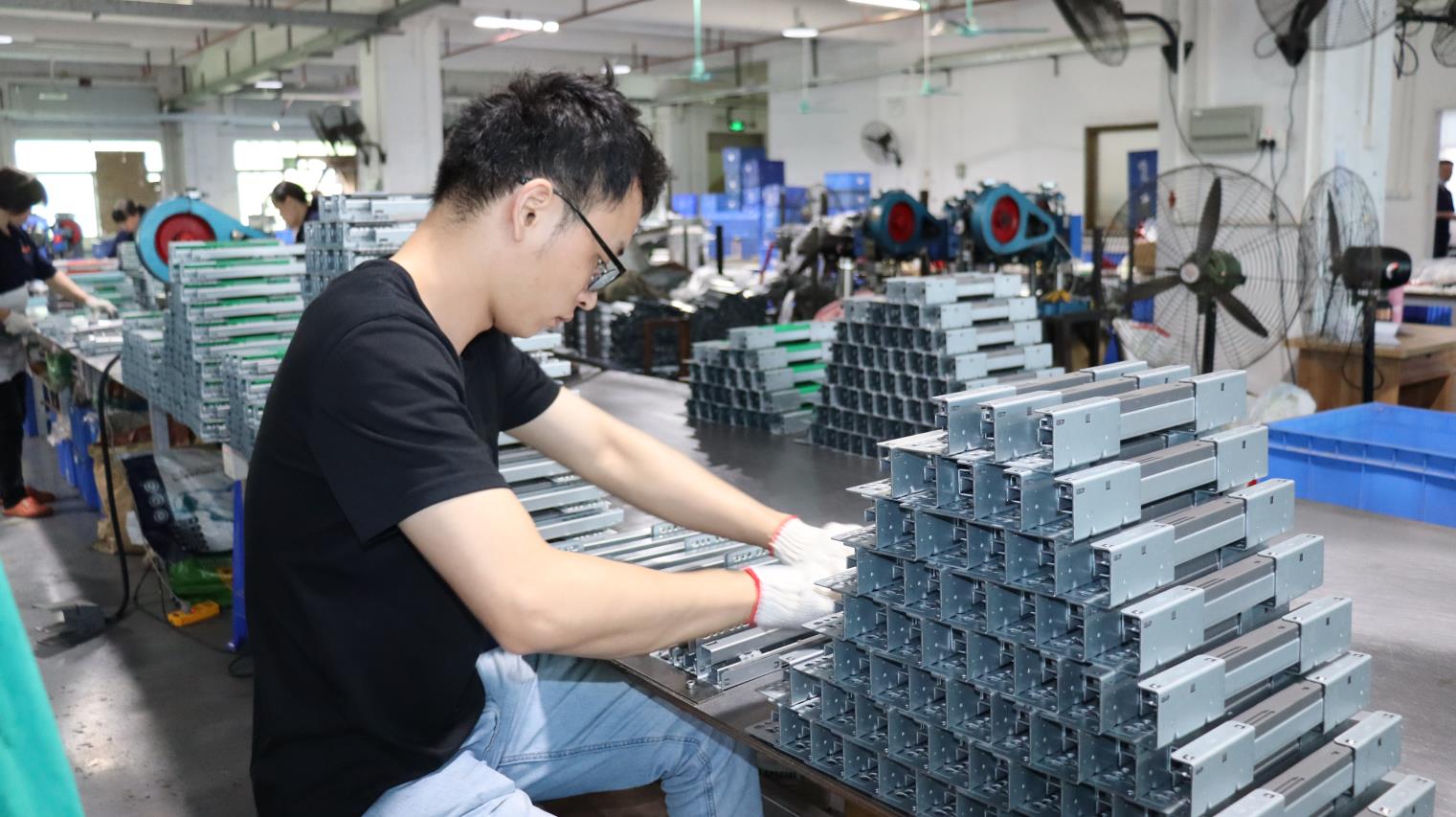
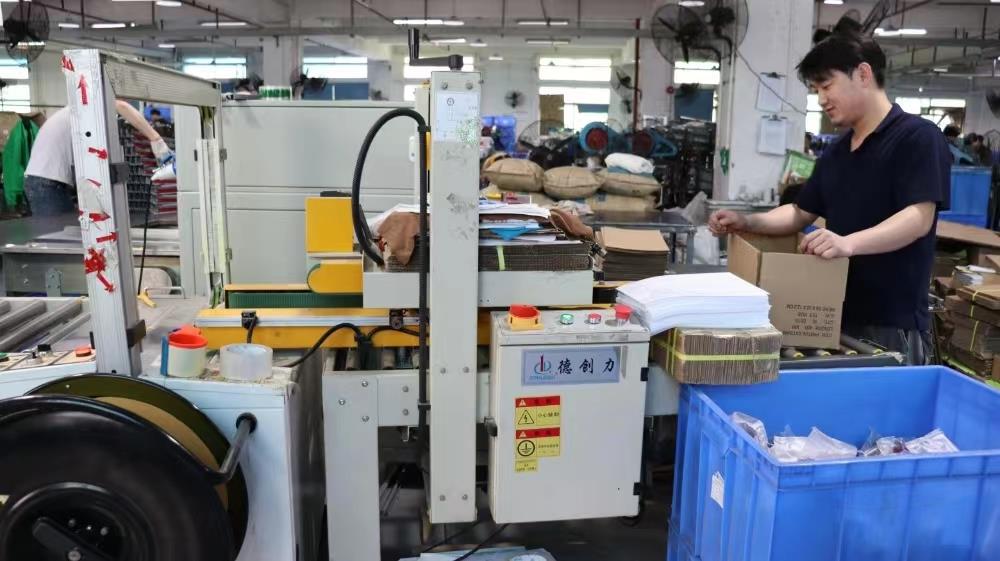
Our manufacturing plant utilizes advanced multi-stage precision stamping presses, automated CNC machining centers, and dedicated endurance testing rigs. Every batch of hardware is tracked via our Enterprise Resource Planning (ERP) order management system, providing buyers with real-time status visibility from initial raw material cutting through final sea-freight container loading.
Need Complete Technical Specifications & Pricing?
Contact the engineering export team at Shanghai Huzo Hardware Co., Ltd. for instant CAD files, quotation sheets, and sample availability.
Send an Inquiry